The Best Moisturizer for Sensitive Skin: A Barrier-First Guide
Published 2026-08-20 by Rose Petal Glam
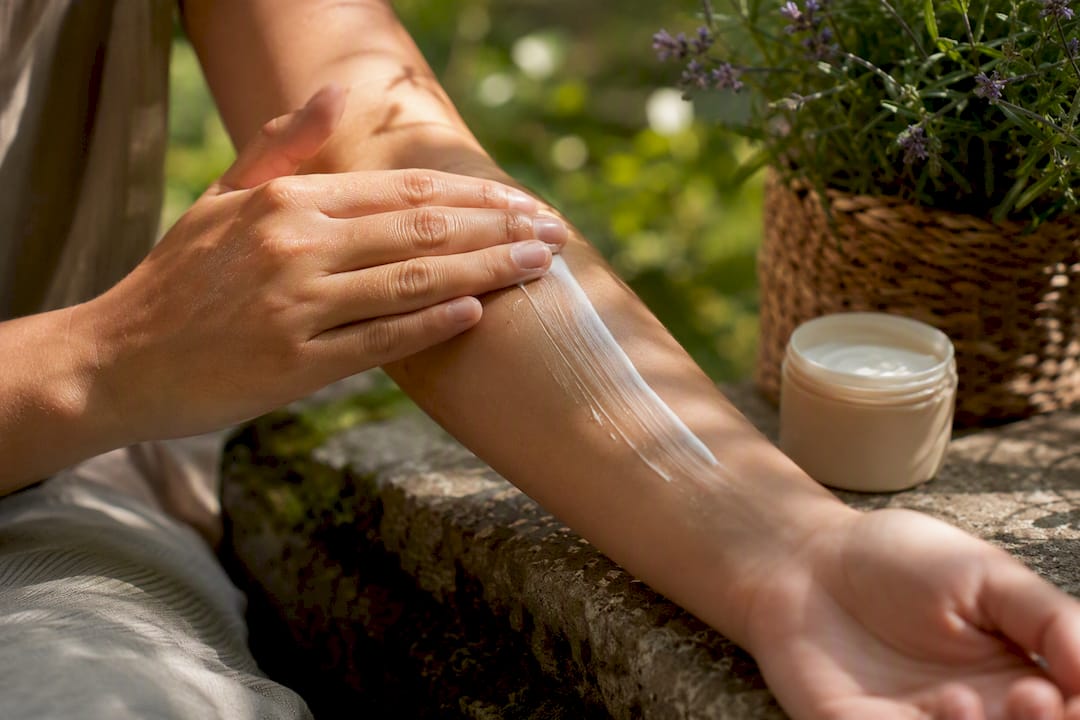
For sensitive skin, the safest bet is a fragrance-free, barrier-repair moisturizer built on a short list of proven ingredients: ceramides, glycerin or hyaluronic acid, and a rich emollient like squalane or grass-fed tallow. That combination does two things at once. It restores the lipids your skin barrier needs to stop losing water, and it calms the redness and stinging that show up when that barrier is compromised.
If you want a gentle option to start with right away, Rose Petal Glam’s fragrance-free Gentle Clean line and its Tallow Skincare Collection were built around exactly this logic: short ingredient lists, no added fragrance, and emollients your skin actually recognizes.
- Look for ceramides, glycerin, hyaluronic acid, squalane, or tallow near the top of the ingredient list
- Skip anything with “parfum,” “fragrance,” or a long roster of essential oils
- Patch-test for 48 hours before applying anywhere else
Key Takeaways
The most reliable moisturizer for sensitive skin combines fragrance-free formulation with barrier-repair ingredients like ceramides, glycerin, and emollients such as squalane or tallow.
| Point | Details |
|---|---|
| Prioritize the ingredient list | Choose fragrance-free formulas with ceramides, glycerin, hyaluronic acid, or tallow near the top. |
| Skip common irritants | Avoid fragrance, essential oils, denatured alcohol, and high-percentage acids in daily moisturizers. |
| Match texture to condition | Use balms for eczema, lightweight creams for rosacea, and gels or water creams for reactive oily skin. |
| Always patch-test first | Apply to the inner forearm for 48 to 72 hours before using anywhere else on your skin. |
| Consider Rose Petal Glam | The Gentle Clean fragrance-free tallow body butter and soap offer short ingredient lists made in small batches for sensitive skin. |
Table of Contents
- Why the Right Moisturizer for Sensitive Skin Actually Works
- What to Look for and What to Skip on the Label
- Which Texture Fits Your Sensitivity Profile?
- How to Patch-Test and Introduce a New Moisturizer
- Choosing a Moisturizer for Contact Dermatitis or Psoriasis
- Why pH Balance Matters in a Sensitive-Skin Moisturizer
- Reading Labels and Expiration Dates on Sensitive-Skin Products
- Hidden Allergens Beyond Fragrance and Essential Oils
- How Often Should You Apply Moisturizer?
- What the Research Actually Supports
- Try Rose Petal Glam’s Fragrance-Free Tallow Line
- Sources
- FAQ
Why the Right Moisturizer for Sensitive Skin Actually Works
A compromised skin barrier is skin that can no longer hold onto water or keep irritants out. You feel it as stinging when you apply sunscreen, a tight pull after washing your face, or patches of redness that flare with weather, stress, or a new product. The outer layer of skin, called the stratum corneum, works like a brick wall: skin cells are the bricks, and lipids like ceramides are the mortar. When that mortar thins out, water escapes and allergens get in more easily.
Effective moisturizers rebuild that wall using three categories of ingredients. Humectants like glycerin and hyaluronic acid pull water into the skin’s surface. Emollients like squalane, plant oils, and tallow fill in the gaps between cells and soften rough patches. Occlusives like shea butter or petrolatum sit on top and slow water loss overnight. A good sensitive-skin formula usually leans on all three rather than relying on a single showy ingredient.
- Humectants: glycerin, hyaluronic acid — draw and hold water
- Emollients: squalane, tallow, jojoba oil — soften and fill lipid gaps
- Occlusives: shea butter, petrolatum — seal in moisture
Fragrance is the single most common trigger of moisturizer irritation, even in products labeled “natural,” because plant-derived fragrance compounds can be just as reactive as synthetic ones. Dermatologists and beauty editors consistently point sensitive-skin shoppers toward fragrance-free formulas built on ceramides, glycerin, and colloidal oatmeal rather than long botanical blends. Terms like “hypoallergenic” or “dermatologist-tested” signal that a brand ran some form of irritation screening, but neither term is regulated by the FDA, so they describe intent more than a guarantee.
Clinical claim to know: Aveeno’s Calm + Restore Oat Gel Moisturizer is marketed as clinically proven to deliver 48 hours of moisture using prebiotic oat and feverfew. That kind of specific, time-bound claim is worth more than a vague “deeply hydrating” label, though results still vary by skin type and climate.
What to Look for and What to Skip on the Label
Reading an ingredient list is the fastest way to predict whether a moisturizer will calm your skin or set it off. The goal isn’t finding a “clean” product. It’s finding one with the fewest possible ways to go wrong.
Ingredients worth seeking out do specific jobs. Ceramides rebuild the lipid layer directly. Glycerin and hyaluronic acid pull in water without feeling heavy. Squalane and tallow supply fatty acids that mimic what your skin already produces. Niacinamide calms redness and supports the barrier at low concentrations. Colloidal oatmeal, an FDA-recognized skin protectant, reduces inflammation and itch.
The list of ingredients to avoid is shorter but higher stakes. Fragrance and essential oils top it, followed by menthol and other “cooling” agents that irritate more than they soothe. Denatured alcohol, common in gel textures, strips lipids and worsens dryness. High-percentage AHAs or BHAs and retinoids belong in a separate step, not blended into your daily moisturizer, unless a dermatologist has specifically recommended that combination.
| Look For | Function | Avoid | Reason |
|---|---|---|---|
| Ceramides | Rebuild barrier lipids | Fragrance/parfum | Top cause of contact irritation |
| Glycerin, hyaluronic acid | Draw in water | Essential oils | Botanical but still sensitizing |
| Squalane, tallow, jojoba | Soften and seal | Denatured alcohol | Strips natural oils |
| Niacinamide | Calms redness | Menthol, camphor | Cooling sensation masks irritation |
| Colloidal oatmeal | Reduces inflammation | High-% AHA/BHA | Too aggressive for daily use |
Some products marketed as gentle still carry risk. A rich plant-based cream like Weleda Skin Food, for instance, packs in calendula and chamomile extracts that soothe many users but sensitize others, since botanical extracts are still chemically active ingredients, not neutral fillers.
Pro Tip: Fragrance doesn’t always say “fragrance.” It can hide behind “parfum,” “aroma,” or specific essential oil names like lavandula angustifolia. If a label lists more than two or three botanical extracts you can’t pronounce, treat it as a fragrance risk until proven otherwise.
For a deeper primer on which natural ingredients calm reactive skin and which ones commonly backfire, Rose Petal Glam’s ingredient guide breaks down the full list.
Which Texture Fits Your Sensitivity Profile?
Sensitive skin isn’t one condition. Rosacea, eczema, and reactive oily skin all need moisture, but the right texture differs sharply between them.
- Eczema-prone or very dry skin does best with a balm or thick cream that leans occlusive, applied right after bathing while skin is still damp, to lock in water before it evaporates.
- Rosacea-prone skin usually tolerates a lightweight cream better than a gel, since alcohol-based gels often trigger the flushing and stinging rosacea is known for. Look for formulas with niacinamide or colloidal oatmeal built in.
- Reactive oily or combination skin typically fares better with a gel or lightweight lotion, sometimes called a water cream, which hydrates without adding a heavy film. Lightweight water-cream textures are a practical middle ground for skin that reacts to richness but still needs hydration.
- Skin using topical treatments (retinoids, steroid creams, acne medication) needs a simpler moisturizer applied around, not mixed into, the active treatment, since combining products increases irritation risk.
A general rule that holds across all four types: go heavier and more occlusive at night, when you’re not applying sunscreen and skin has hours to absorb, and lighter during the day so sunscreen sits on top cleanly instead of pilling.
How to Patch-Test and Introduce a New Moisturizer
Skipping a patch test is the single most common reason people end up mid-flare with a product they can’t identify as the cause.
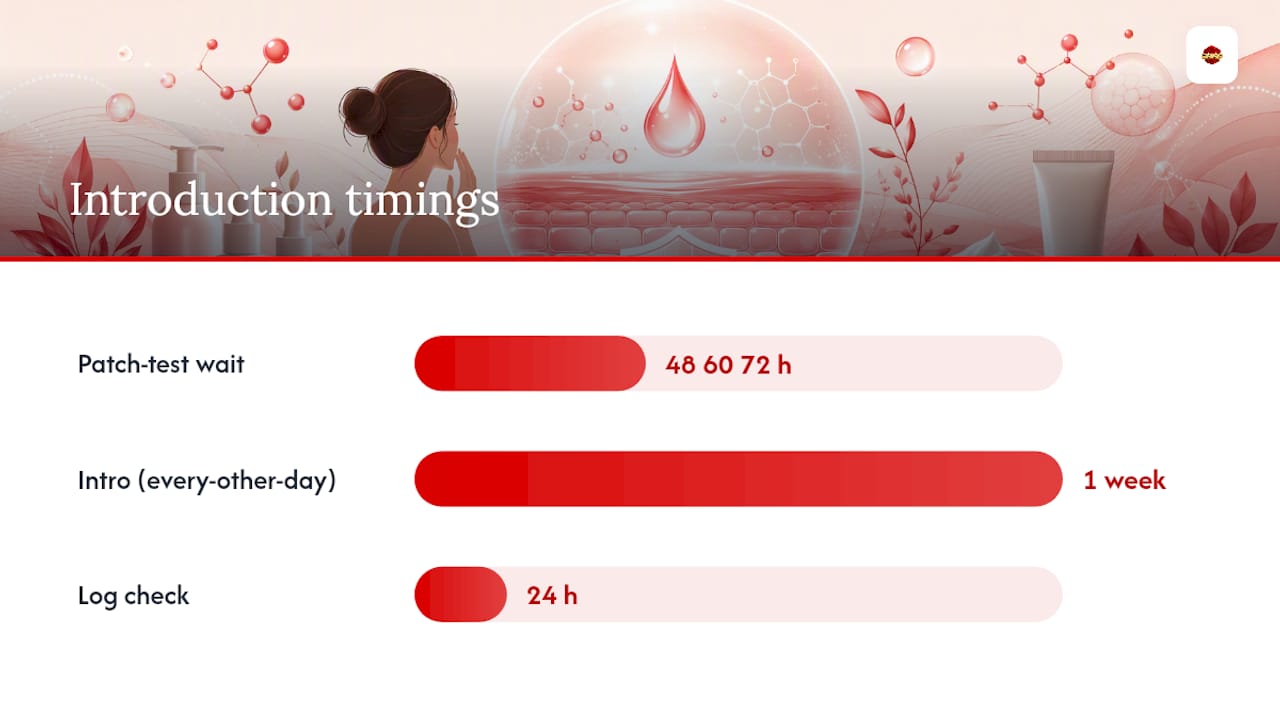
- Apply a small amount behind your ear or on the inner forearm.
- Wait 48 to 72 hours without washing that spot, watching for redness, itching, or bumps.
- If skin stays calm, apply to a small area of your face or the affected body area every other day for one week.
- Move to daily use only if that week passes without stinging, tightness, or new redness.
- Stop immediately if you see swelling, blistering, or spreading redness. That’s not a “give it time” reaction.
Layer moisturizer onto clean, slightly damp skin, and wait a few minutes before applying sunscreen or a prescription topical on top, so each product settles rather than mixing on the surface. Pause retinoids or acid treatments during the introduction week. Two new products at once make it impossible to know which one caused a reaction if something goes wrong.
Pro Tip: Keep a one-line log on your phone: the date, the product, and how your skin felt 24 hours later. Sensitive skin reactions often show up a day or two after application, not immediately, and a log makes the pattern obvious in a way memory alone won’t.
See a dermatologist if you notice blistering, oozing, spreading rash, or a reaction that doesn’t calm within a week of stopping the product. Those are signs of true allergic contact dermatitis rather than simple irritation.
Choosing a Moisturizer for Contact Dermatitis or Psoriasis
Contact dermatitis and psoriasis both call for a different lens than rosacea or eczema, because the trigger and the skin structure work differently.
Contact dermatitis happens when a specific ingredient sets off an allergic or irritant response. The fix isn’t a fancier moisturizer. It’s identifying and removing the trigger, then switching to something with the shortest possible ingredient list while skin heals. Fragrance, preservatives like methylisothiazolinone, and certain metals in cosmetic packaging are frequent culprits, so simplicity matters more than any active ingredient here.
Psoriasis involves faster skin cell turnover and thick, scaly plaques, which means moisture alone won’t resolve it, but the right moisturizer reduces scaling and discomfort between flares. Thicker, occlusive formulas with ceramides or salicylic acid (used cautiously, and only as directed) help soften plaques, while fragrance and alcohol worsen the itching that already comes with psoriasis. Apply moisturizer to psoriasis patches while skin is damp, since dry plaques absorb far less than hydrated ones.
Both conditions benefit from the same baseline advice this guide has repeated: fewer ingredients, no fragrance, and a patch test before committing to daily use anywhere near an active flare.
Why pH Balance Matters in a Sensitive-Skin Moisturizer
Healthy skin sits at a mildly acidic pH, generally in the 4.5 to 5.5 range, and that acidity supports the barrier lipids and beneficial bacteria that keep irritants out. A moisturizer formulated outside that range, especially one on the alkaline side, can disrupt the barrier further and make redness and dryness worse.
This matters more than most labels let on. Many cleansers, not just moisturizers, skew alkaline, which is part of why washing your face can leave sensitive skin tighter and more reactive than before you started. A pH-balanced moisturizer helps neutralize that swing and gives the barrier a better chance to hold onto moisture through the day.
Few brands print an exact pH number on the packaging, so the practical move is choosing formulas from lines that specifically market pH-balanced or “skin barrier friendly” claims, and avoiding bar soaps or moisturizers with a chalky, high-alkaline feel. If a product leaves a squeaky, tight sensation immediately after use, that’s often a pH mismatch talking, not a sign the product is “working.”
Reading Labels and Expiration Dates on Sensitive-Skin Products
Sensitive skin has less tolerance for a moisturizer that’s started to break down. Preservative systems in natural and fragrance-free formulas tend to be gentler, which means they often have shorter effective shelf lives than heavily preservative-loaded mass-market creams.
Check for a small jar icon on the packaging with a number like “12M” or “6M,” known as the Period After Opening symbol. That number tells you how many months the product stays stable once opened, which matters more than the printed expiration date for anything you’ve already started using. A moisturizer that’s separated, changed color, or developed an off smell has likely oxidized and should be replaced even if the PAO window hasn’t technically closed.
Small-batch, preservative-light products, like handcrafted body butters, generally have shorter windows than mass-produced creams loaded with synthetic stabilizers, so store them away from heat and humidity and use them within the maker’s recommended timeframe. That’s a fair trade for skipping the longer ingredient list a shelf-stable version would need.
Hidden Allergens Beyond Fragrance and Essential Oils
Fragrance gets the spotlight, but it’s far from the only ingredient category that triggers sensitive skin. Preservatives are the next biggest offender: methylisothiazolinone and formaldehyde-releasing preservatives like DMDM hydantoin show up on dermatology patch-test panels regularly, even in products marketed as gentle.
Certain botanical extracts carry the same risk as synthetic fragrance despite feeling “natural.” Products that lean on calendula, seabuckthorn, or similar plant actives sometimes pair them with essential oils or balsam derivatives that carry allergy warnings on their own packaging, as seen in botanical body lotions that combine soothing plant extracts with known sensitizers like Peru balsam. Lanolin, certain sunscreen filters like oxybenzone, and propylene glycol round out the list of ingredients that show up more often than people expect on allergy patch tests.
The safest habit is treating any unfamiliar botanical name the same way you’d treat a new fragrance: patch-test it before trusting it on your face.
How Often Should You Apply Moisturizer?
Twice a day is the standard baseline for sensitive skin: once in the morning under sunscreen, and once at night on slightly damp skin after cleansing. Skipping the morning application and relying on sunscreen alone often leaves skin drier by afternoon, since most sunscreens aren’t formulated to replace a moisturizer’s barrier-repair job.
Very dry or eczema-prone skin sometimes needs a third application, particularly on hands or areas exposed to frequent washing, while oily reactive skin may do fine with a lighter morning layer and a slightly richer one at night. The timing matters as much as the frequency: applying moisturizer within a few minutes of washing, while skin is still damp, helps trap water that would otherwise evaporate before a dry-skin application ever gets the chance to work.
What the Research Actually Supports
Most sensitive-skin advice online treats “natural” and “gentle” as synonyms, and that’s the biggest blind spot in the conventional wisdom. Botanical doesn’t mean inert. Calendula, lavender, and citrus extracts are chemically active, and dermatology patch-test data consistently flags plant-derived fragrance compounds as culprits right alongside synthetic ones.
What the evidence actually supports is narrower and less exciting than a ten-step routine: a short ingredient list, real barrier-repair actives like ceramides and glycerin, and a patch test before you commit. That’s it. The brands doing this best, whether a mass-market clinical line or a small-batch maker like Rose Petal Glam, succeed by leaving things out, not by adding a longer feature list.
If you take one thing from this, prioritize the ingredient list over the marketing claim on the front of the jar. A “soothing” label means nothing if the fifth ingredient is a fragrance blend.
Try Rose Petal Glam’s Fragrance-Free Tallow Line
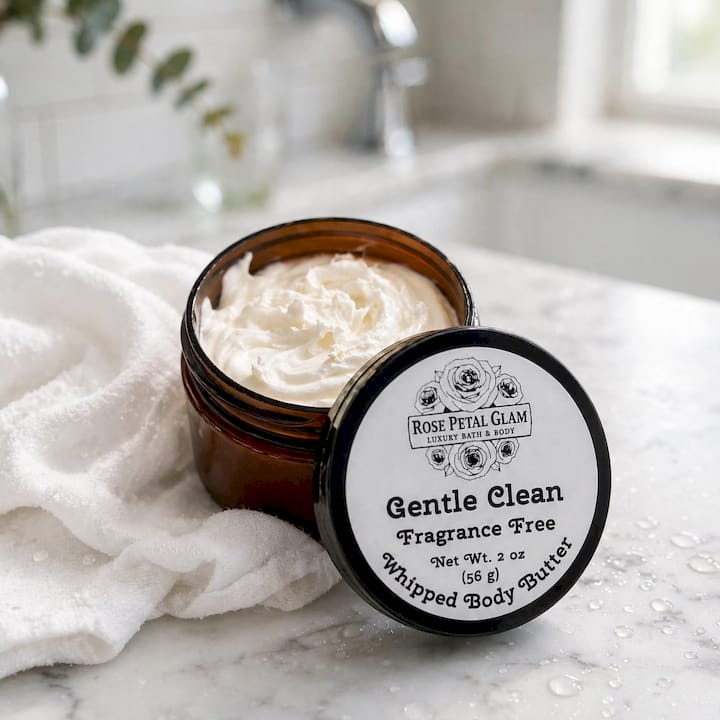
Rose Petal Glam built the Gentle Clean line around the exact criteria this guide just walked through: a short ingredient list, no added fragrance, and emollients your skin already knows how to use. The whipped tallow body butter pairs grass-fed tallow with jojoba oil, giving you the fatty acid profile your barrier needs without a synthetic filler diluting it.

The Gentle Clean whipped tallow body butter works best on body skin prone to tightness or redness, applied at night on damp skin, or by day on areas that don’t need sunscreen layered over it. Pair it with the Gentle Clean fragrance-free tallow soap for cleansing that won’t strip the barrier you’re trying to repair, since a harsh cleanser undoes half of what a good moisturizer accomplishes. For the face, apply a thin layer and give it a few minutes to absorb before sunscreen or any prescribed topical.
If you’d rather browse the full range, the Tallow Skincare Collection covers soap, body butter, and scrubs made in small batches in Mount Morris, Michigan, with the same short, transparent ingredient lists throughout. Start with the whipped body butter collection if you want to compare scent-free and lightly scented options side by side, and patch-test a small jar before committing to daily use.
Sources
- 11 Best Face Moisturizers for Sensitive Skin That Smooth, Soothe, and Hydrate — Allure
FAQ
What type of moisturizer is best for sensitive skin?
A fragrance-free formula built on ceramides, glycerin or hyaluronic acid, and a gentle emollient like squalane or tallow works best, since these ingredients repair the barrier without adding common irritants.
What is the best moisturizer for very sensitive skin?
For very reactive or easily irritated skin, choose the shortest ingredient list you can find, ideally fragrance-free and free of essential oils, denatured alcohol, and strong acids; a rich cream or balm texture suits very dry, sensitive skin best.
What is the best gentle moisturizer for sensitive skin?
Look for products labeled fragrance-free with barrier-supporting actives like colloidal oatmeal or niacinamide; Rose Petal Glam’s Gentle Clean whipped tallow body butter follows that exact formula with tallow and jojoba oil as the core emollients.
How do I know if a moisturizer is truly hypoallergenic?
“Hypoallergenic” isn’t a regulated term, so check the actual ingredient list for fragrance, essential oils, and known sensitizers like methylisothiazolinone rather than trusting the label claim alone.
How often should I moisturize sensitive skin?
Apply twice daily, once in the morning before sunscreen and once at night on damp skin after cleansing, adding a third application on hands or very dry areas if needed.
Recommended
- The Ultimate Guide to Natural Ingredients for Sensitive Skin | Rose Petal Glam Blog
- How to Build a Simple, Clean Skincare Routine with Natural Products | Rose Petal Glam Blog
- What Is Whipped Body Butter and Why Your Skin Needs It | Rose Petal Glam Blog
- 5 Reasons to Switch to Handmade Soap (Your Skin Will Thank You) | Rose Petal Glam Blog