5 Buyer Checks for Natural Handmade Bar Soap and Why Rose Petal Glam Passes
Published 2026-08-28 by Rose Petal Glam
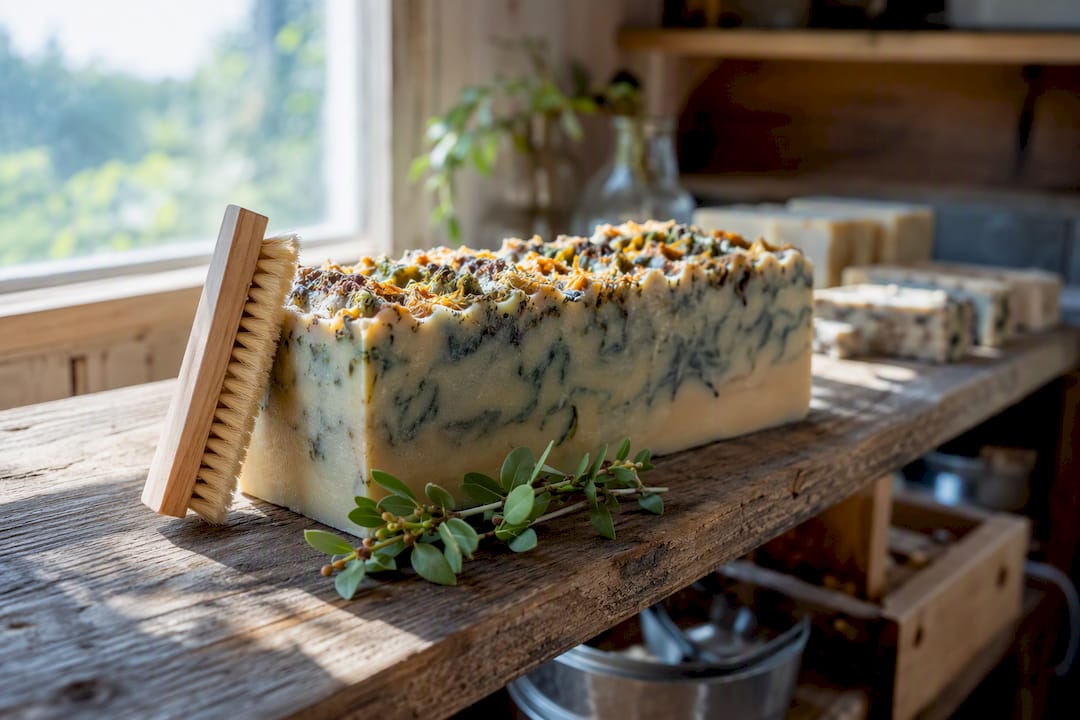
Natural handmade cold-process bar soap is the right buy if you want genuine skin conditioning, glycerin your skin actually keeps, and an ingredient list you can read without a chemistry degree. The catch is that “natural” gets slapped on a lot of bars that don’t earn it. Rose Petal Glam’s small-batch cold-process bars, built around grass-fed beef tallow and jojoba oil, are a solid benchmark for what a legitimate bar should look like. The sections ahead cover how to verify one before you buy.
TL;DR:
- Genuine natural handmade soap is characterized by a cold-process method and a short, recognizable ingredient list, avoiding synthetic detergents.
- Reputable brands disclose full oil ingredients, superfat percentage, cure time, and weight, ensuring transparency and proper formulation.
- Properly cured bars, left for four to six weeks, are safer, milder, and longer-lasting, especially with essential oils kept to a minimum for sensitive skin.
- Price ranges from $6 to $14 per bar, reflecting higher-quality ingredients and longer production times compared to mass-market soap.
- Consumers should scrutinize reviews for specific skin outcomes and avoid vague marketing claims or labels like “lye-free” to verify authenticity.
Table of Contents
- What Makes a Bar Truly Natural Handmade Bar Soap?
- How Does Cold Process Actually Work?
- How Can You Tell a Bar Is Genuinely Handmade?
- What Do You Actually Gain by Switching to Handmade Bars?
- Who Makes Trustworthy Artisan Bar Soap?
- What Should You Expect to Pay for a Good Bar?
- Where Can You Buy Natural Handmade Bar Soap?
- What Do Customer Reviews Actually Tell You?
- How Do You Avoid Fake or Mislabeled “Natural” Soap?
- Rose Petal Glam: What We Make and Why It Fits the Checklist
- Why This Category Rewards Skepticism, Not Loyalty
- Ready to Try a Bar That Actually Meets the Checklist?
- Sources
- FAQ
What Makes a Bar Truly Natural Handmade Bar Soap?
“Natural” isn’t a regulated term on a soap label, which is exactly why so many mass-market bars borrow the word without earning it. The honest version of natural handmade bar soap comes down to two things: a cold-process method and a short, recognizable ingredient list.
Cold process means the maker combines fats with a lye solution at a controlled temperature and lets a chemical reaction called saponification do the work, rather than relying on synthetic detergents (more on that reaction below). The upside for your skin is glycerin retention, since cold-process soap keeps the glycerin that saponification naturally produces, which is a major reason handmade bars feel more conditioning than many commercial bars that strip glycerin out for other uses.
Here’s a checklist worth running through before you add a bar to your cart:
- Full oil list on the label. Olive, coconut, shea, tallow, castor, not a vague “vegetable oil blend.”
- Declared superfat percentage. Most artisan bars use a moderate superfat for balanced conditioning without a mushy bar.
- Bar weight in ounces or grams, not just “full size” marketing language.
- Fragrance disclosure. “Fragrance” alone tells you nothing; essential oil names do.
- Realistic pricing. A $3 bar making the same claims as a $9 bar should raise your eyebrow.
Match the oils to what you actually want. Coconut oil brings hard, bubbly lather. Olive oil brings long-term conditioning but a softer bar. Shea and tallow add richness and a slower melt. If you have eczema-prone or reactive skin, look for fragrance-free formulas first and treat essential oils as a nice-to-have, not a requirement.
Pro Tip: If a listing shows a photo of the cut soap loaf with visible streaks, botanicals, or slight texture on top, that’s usually a better authenticity signal than any word on the label.
How Does Cold Process Actually Work?
Saponification is the chemical reaction where lye (sodium hydroxide) reacts with fats and oils to form soap and glycerin. It sounds intimidating, but the process is well understood and, when done correctly, produces a finished bar with no active lye left in it.
Makers typically combine the lye solution and oils at roughly 100 to 130°F, then pour the mixture into molds where it saponifies over the following days. What happens next matters as much as the mixing: the bar needs to cure. A minimum four-week cure allows saponification to finish completely and lets excess water evaporate, which makes the bar milder and longer-lasting. Many careful makers stretch that to six weeks.
A few oils do most of the heavy lifting in a well-built recipe:
- Coconut oil (often 30% to 40% of the blend) drives hardness and big, bubbly lather.
- Olive oil (often 30% to 40%) is the conditioning workhorse, soft and skin-friendly.
- Shea butter, palm, or tallow (15% to 20%) add firmness and a creamy feel.
- Castor oil (5% to 10%) stabilizes lather so it doesn’t collapse fast.
Reputable makers also test finished bars for pH, which typically lands around 7 to 10 once curing is complete, a rough but useful check that saponification finished properly. On the safety side, lye itself is caustic and demands goggles, gloves, and a verified lye calculator during production, always adding lye to water rather than the reverse. None of that risk carries over to you as a buyer. A properly cured bar is stable, safe, and shelf-ready, whatever the raw ingredients looked like in the workshop.
How Can You Tell a Bar Is Genuinely Handmade?
Marketing language is cheap. These checks take under a minute and separate real artisan soap from repackaged commercial stock.
- Read the full ingredient list. Real handmade bars name every oil and butter by its actual name, not umbrella terms like “moisturizing base.”
- Look for a declared superfat and weight. Sellers who publish both numbers usually know their formulas cold.
- Check the surface for imperfections. Hand-cut bars show slight variation, bevel marks, or visible flecks from botanicals. A bar that looks laser-uniform on every side often came off an industrial line.
- Read the maker’s story. Small-batch producers usually name a real location and describe their process specifically, not in vague “crafted with care” language.
- Watch for red flags: claims of being “lye-free” (impossible for real soap, since saponification requires it), undisclosed “fragrance” with no ingredient names, or no listed net weight at all.
Sellers using genuinely handmade methods rarely mind explaining them. If a return policy, batch date, or ingredient question gets a dodge instead of an answer, treat that as information too.
What Do You Actually Gain by Switching to Handmade Bars?
The upgrade is real, but it’s specific, not magical. Here’s what changes when you switch from a mass-market bar to a well-made natural one.
- Better skin feel, driven mainly by retained glycerin and the oils the maker chose, especially noticeable if your skin runs dry or sensitive.
- Shorter, cleaner ingredient lists, meaning fewer synthetic detergents and fillers between you and your skin.
- Less plastic waste, since bar soap typically skips the pump bottle entirely and often ships in paper or minimal packaging.
- Different lather. Handmade bars often lather less dramatically than sulfate-heavy commercial bars; that’s a formulation choice, not a flaw.
Cure time plays into mildness too: a bar cured a full four to six weeks tends to feel gentler on skin than one rushed to shelf. Bar lifespan varies with how you store it between uses.
Pro Tip: Keep your bar on a draining soap dish, not sitting in standing water. It’ll last noticeably longer and stay firmer between uses.
Who Makes Trustworthy Artisan Bar Soap?
The natural handmade bar soap market runs from big-name farmers-market regulars to one-person Etsy shops, and quality varies wildly between them. The traits that separate the reliable makers from the rest are consistent: they publish full ingredient lists without being asked, they state a real cure time, and they can tell you where the soap was actually made.
Rose Petal Glam falls into that category, producing small-batch cold-process bars in Mount Morris, Michigan, built around grass-fed beef tallow and jojoba oil rather than filler oils. Tallow is worth calling out specifically. It’s a traditional soap-making fat that predates most of the vegetable-oil trend, prized for a dense, long-wearing bar with a naturally creamy lather.
Beyond a single brand, the smartest move is treating “artisan” as a set of behaviors rather than a specific name. A trustworthy seller, whether at a farmers market booth or an online storefront, will tell you their superfat percentage without hesitation, name their cure time unprompted, and never claim a finished bar is “lye-free.” If a maker hedges on any of those three points, keep looking. The good ones treat transparency as a selling point, not a liability.
What Should You Expect to Pay for a Good Bar?
Natural handmade bar soap generally runs somewhere between $6 and $14 per bar, with most quality artisan bars landing in the $7 to $10 range for a 4 to 5 ounce bar. That’s noticeably more than a $1 to $3 commercial bar, and the price difference isn’t arbitrary.
You’re paying for ingredient cost first. Grass-fed tallow, jojoba oil, shea butter, and real essential oils cost far more than the tallow substitutes and synthetic fragrance oils used in mass production. You’re also paying for time. A commercial bar can be extruded and shipped within days; a cold-process bar sits curing on a rack for a month or more before it’s even ready to sell, which ties up a maker’s inventory and workspace far longer.
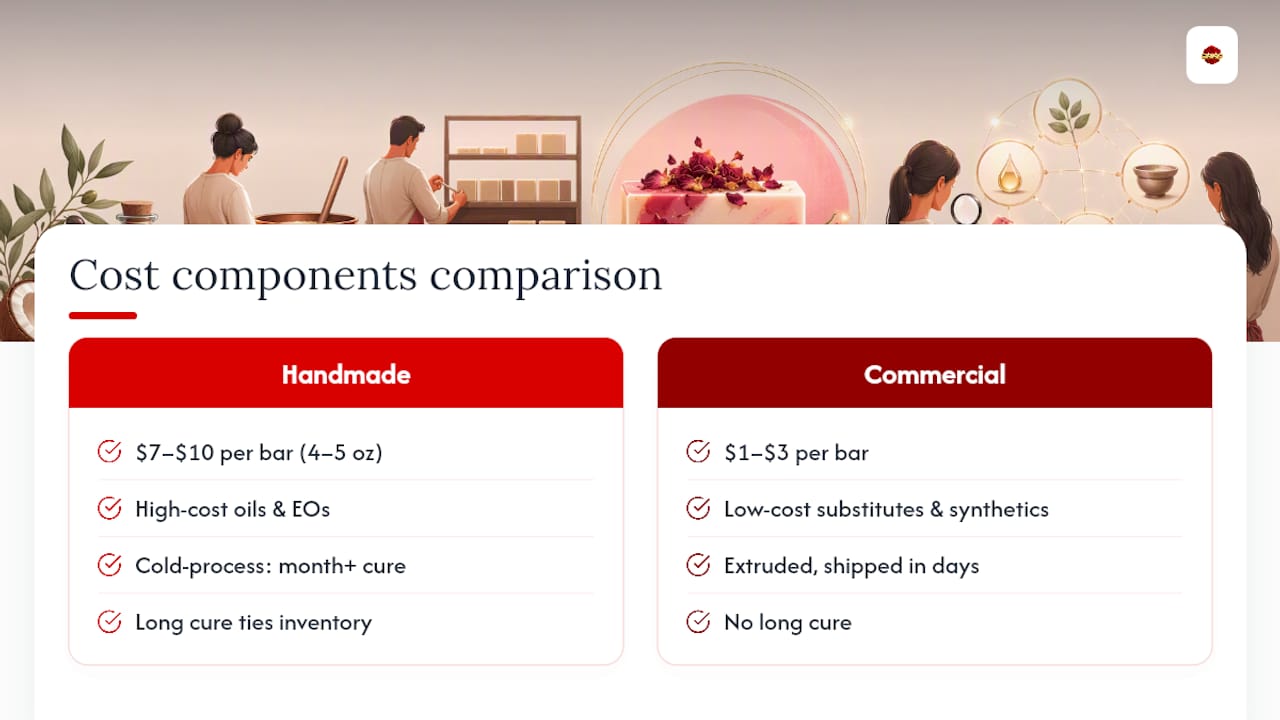
Value for money isn’t just about price per bar, either. Because cold-process bars tend to be denser and harder than many commercial bars, especially ones built around tallow or a high percentage of hard oils like coconut, a single bar often outlasts a cheaper bar of the same size. Factor that into the comparison and the price gap narrows. Bundles and multi-bar packs, common with smaller sellers, usually bring the per-bar cost down further and are worth checking before buying single bars repeatedly.
Where Can You Buy Natural Handmade Bar Soap?
Three channels dominate the market, and each has a different tradeoff between convenience and verification.
Online storefronts, whether a brand’s own site or a marketplace, give you the most selection and the easiest way to compare ingredient lists side by side before buying. The tradeoff is that you can’t smell or feel the bar first, so ingredient transparency on the product page matters more here than anywhere else.
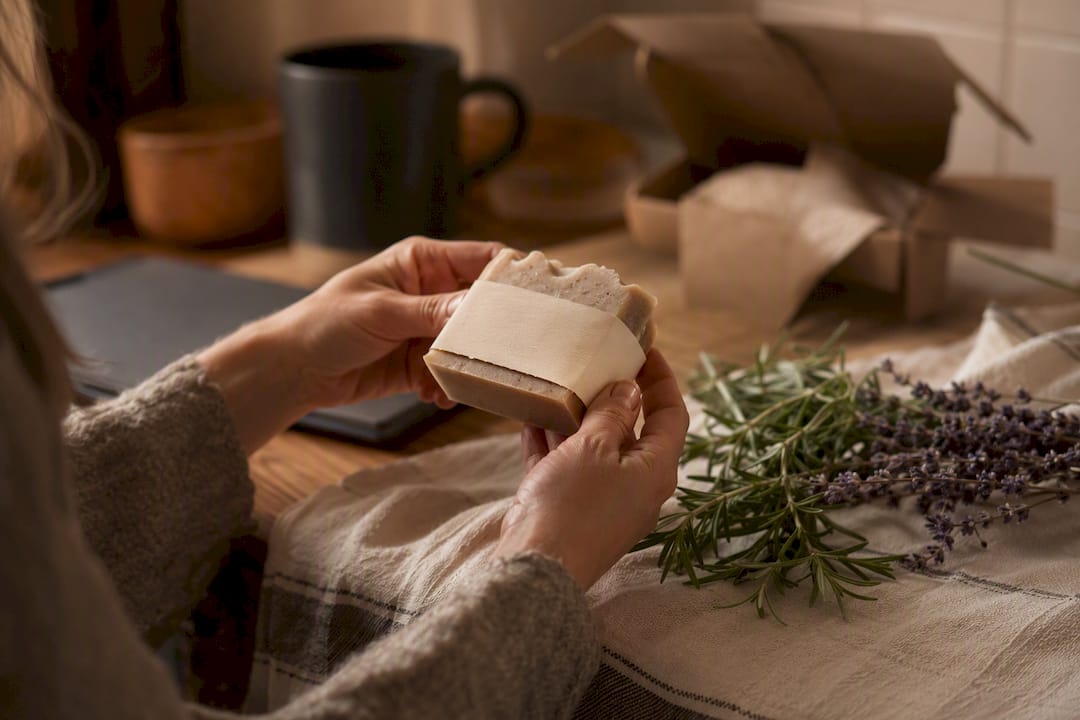
Farmers markets and craft fairs let you talk directly to the maker, ask about cure time, and often smell or handle the bar before paying. That direct conversation is hard to replicate online, and it’s the fastest way to gauge whether a seller actually knows their formulation or is reselling someone else’s stock under their own label.
Local artisan shops and co-ops split the difference: curated selection, a shopkeeper who usually knows the makers, but less direct access to the person who actually formulated the bar. Wherever you buy, the same checklist applies. Full ingredient list, stated superfat, and a real production location beat a pretty photo every time.
What Do Customer Reviews Actually Tell You?
Star ratings alone don’t tell you much about soap quality. What matters is what reviewers describe, not just how many stars they left.
Look for reviews that mention specific skin outcomes: less tightness after showering, no breakouts on sensitive skin, or a lather that held up in hard water. Vague five-star reviews with no detail are worth less than a three-line review describing exactly how a bar performed on eczema-prone skin. Photos in reviews are especially useful, since they often show the bar’s actual texture and color rather than a staged product shot.
Repeat-purchase language is another strong signal. Reviews that mention buying a bar for the second or third time, or switching a whole household over to it, tend to reflect real satisfaction rather than a one-time impulse buy. Pay attention to complaints too. A pattern of reviews mentioning a bar going soft too fast, or a fragrance fading within days, tells you something concrete about formulation quality that a five-star average will never surface on its own.
How Do You Avoid Fake or Mislabeled “Natural” Soap?
The most common trick isn’t outright lying, it’s vague language doing the lying for the seller. “Natural” and “organic” have no consistent legal definition on soap labels the way they do on food, so a bar can call itself natural while containing synthetic detergents, artificial color, and a fragrance blend that’s mostly synthetic.
The fix is reading past the front label. Ingredient transparency is the real test: every oil, butter, and additive should be listed by name, not hidden behind terms like “moisturizing complex” or “natural fragrance blend.” A genuine cold-process bar will also never claim to be “lye-free,” since that’s chemically impossible for real soap. Sellers who use that phrase either don’t understand their own product or are counting on you not knowing better.
Cross-check the seller’s story too. A maker who names a real town, states an actual cure time, and answers formulation questions directly is behaving like someone with nothing to hide. One who talks in only in vague wellness language and dodges specifics about their process is a bigger risk than the price tag suggests. If you’re shopping for a sensitive-skin household, this scrutiny matters even more, since a mislabeled “natural” bar with hidden synthetic fragrance is exactly the kind of product that triggers reactions parents and eczema sufferers are trying to avoid in the first place. It’s the same logic that applies to choosing moisturizing skin products generally: read what’s actually in the formula, not what the label implies.
Rose Petal Glam: What We Make and Why It Fits the Checklist
Rose Petal Glam builds every bar around the same criteria this guide just walked through. Small-batch cold-process formulation, grass-fed beef tallow and jojoba oil as the core ingredients, and fragrance-free options built specifically for sensitive skin, including the Gentle Clean fragrance-free tallow soap.
Everything is made in Mount Morris, Michigan, in small batches rather than mass-produced runs, alongside a broader lineup that includes whipped body butters and tallow deodorants for anyone building out a full natural routine. The tallow itself is worth noting on its own: it’s a traditional soap-making fat that gives bars a dense, creamy lather most vegetable-oil-only bars don’t quite match.
If you’re new to the brand, two starting points make sense. Shoppers with reactive or eczema-prone skin should start with the fragrance-free tallow bar. Anyone shopping for a partner or gift with a more traditional scent profile can look at the men’s-oriented BRO’S Fresh Gentleman tallow soap. Either way, you’re getting the full handcrafted cold process soap collection built on the same transparency standard this whole guide recommends looking for: full ingredient disclosure, a real cure time, and a maker who’ll actually answer your questions about it.
Why This Category Rewards Skepticism, Not Loyalty
Here’s the uncomfortable part of the natural soap market: the products with the biggest marketing budgets are rarely the ones with the best formulations. That’s backwards from how most shopping categories work, and it’s worth sitting with for a second.
A bar covered in words like “detox,” “purifying,” or “ancient ritual” is telling you almost nothing about what’s actually in it. The bars that deserve your trust are usually the ones with the least exciting labels: a plain list of oils, a superfat percentage, a weight in ounces, and maybe a cure date stamped somewhere. Boring labels tend to come from makers who don’t need to distract you from the ingredients.
The other misconception worth killing is the idea that “handmade” automatically means “better.” It doesn’t. A poorly formulated handmade bar with the wrong oil ratios can be harsher on skin than a well-engineered commercial bar. What actually matters is the specific combination of method, cure time, and oil selection, not the fact that a human poured it into a mold instead of a machine. That’s why the checklist in this guide leans so hard on verifiable specifics: superfat percentage, full oil lists, stated cure time, over vague claims about tradition or purity. Buy the formulation, not the story around it.
— Brent
Ready to Try a Bar That Actually Meets the Checklist?
You’ve now got the checklist. Full ingredient disclosure, real superfat percentages, proper cure time, and a maker who’ll answer questions without dodging. Rose Petal Glam builds every bar to clear that exact bar, with grass-fed tallow and jojoba oil replacing the filler oils and synthetic detergents you’d find in most drugstore soap.
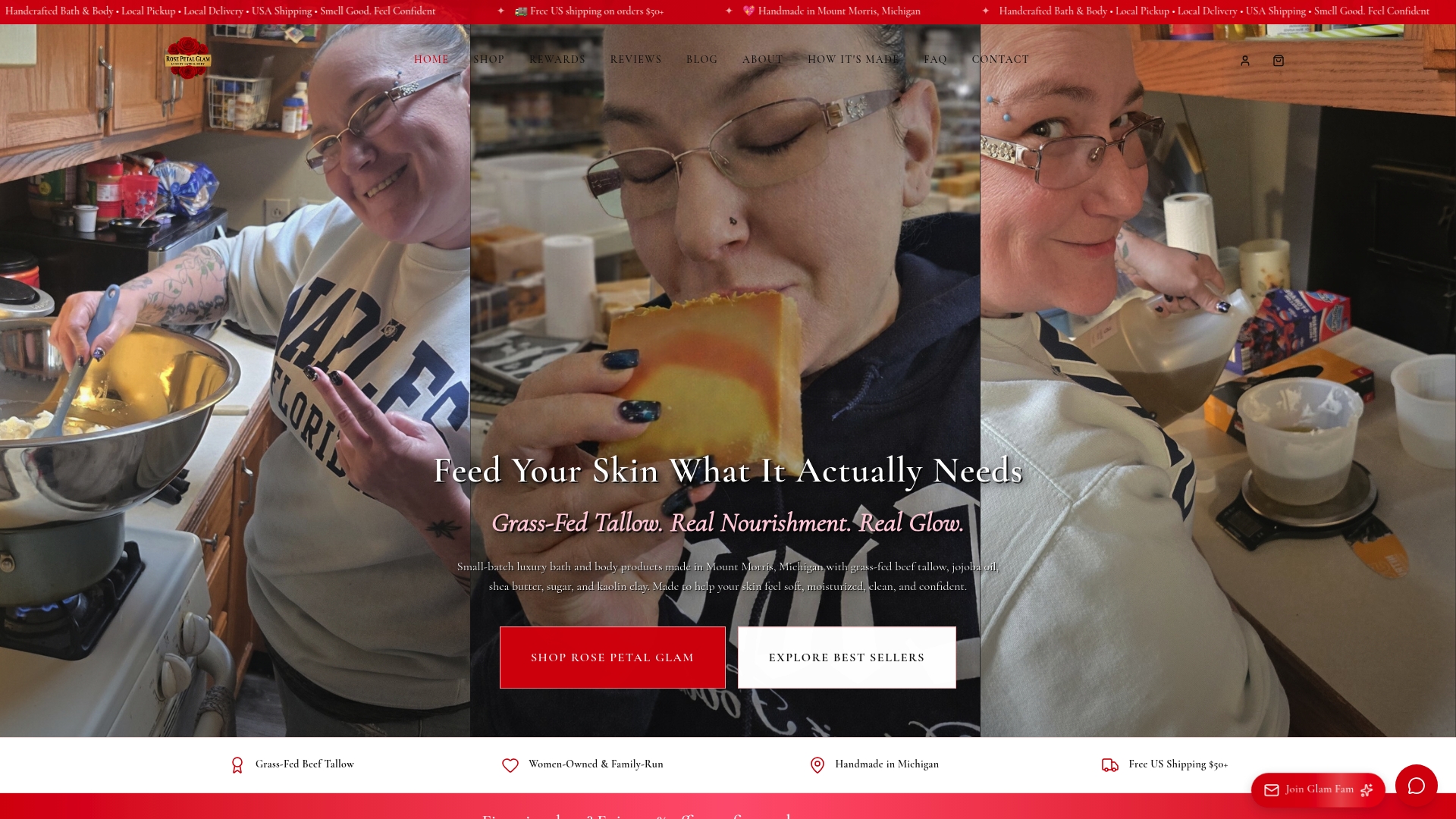
If sensitive skin is your main concern, the fragrance-free formula skips essential oils entirely while keeping the same conditioning oil base. If you’re shopping for the whole household, the tallow skincare collection pairs the soap bars with matching body butters and deodorants made from the same ingredients. Start with a single bar from the handcrafted cold process soap collection to see how your skin responds before committing to a bundle. Every bar ships from small-batch production in Mount Morris, Michigan, made in the same runs you can ask questions about directly.
Sources
- NJIT — Green Chemistry Experiment (soap/saponification reference)
- Making Soap Naturally — Cold process soap making
- FormulaNorth — Cold process soap step-by-step
FAQ
What Is the Healthiest Bar Soap to Use?
The healthiest option for most people is a cold-process bar with a short, named ingredient list and no undisclosed “fragrance,” since that combination avoids the synthetic detergents and fillers found in many commercial bars.
What Is the Best Natural Bar Soap?
There’s no single best bar, since skin type and fragrance preference vary, but the strongest candidates share three traits: full oil disclosure, a stated superfat around 5% to 8%, and a real cure time of at least four weeks.
What Do the Amish Use for Soap?
Amish and other traditional soap-making communities have long relied on tallow-based cold-process recipes, often made with lard or beef tallow combined with lye and water, a method that predates most of today’s vegetable-oil-based formulas.
How Do I Make My Own Natural Bar Soap?
Making cold-process soap at home requires a verified lye calculator, protective gear like goggles and gloves, precise measurements of oils and lye solution, and patience for a four-to-six-week cure before the bar is safe and ready to use.