How to Exfoliate Your Body the Right Way, Step by Step
Published 2026-08-24 by Rose Petal Glam
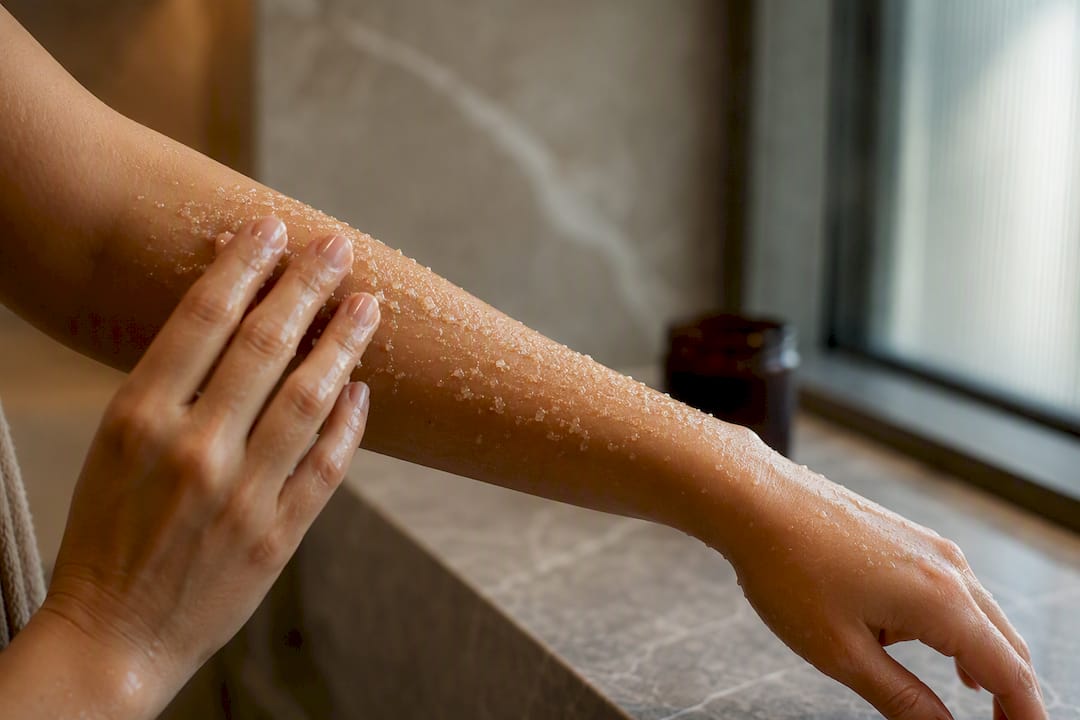
Cleanse first, then work a gentle scrub or a leave-on chemical exfoliant over damp skin in small circles for about 30 seconds per area, rinse with lukewarm water, and moisturize while skin is still damp. If you’re new to this, start with a mild chemical option like lactic acid once a week instead of a harsh scrub. Skip exfoliation entirely on sunburned, broken, or actively irritated skin.
- Cleanse, exfoliate, rinse, moisturize, sunscreen (daytime)
- Chemical over physical if you’re prone to redness or bumps
- Never exfoliate over sunburn, cuts, or eczema flares
Table of Contents
- What Body Exfoliation Actually Does for Your Skin
- Mechanical, Chemical, or Enzymatic: Which Should You Use?
- How Do You Exfoliate the Body in the Shower?
- How Often Should You Exfoliate Different Skin Types?
- Choosing the Right Exfoliant for Your Skin Type
- What Should You Do After Exfoliating?
- Where Natural Sugar Scrubs and Body Butters Fit In
- Your Next Step Toward a Simpler Routine
- Sources
- FAQ
What Body Exfoliation Actually Does for Your Skin
Exfoliation removes the buildup of dead skin cells sitting on the surface, and the payoff shows up fast. Skin looks smoother and reflects light more evenly within a day or two, which is why so many people exfoliate before self-tanner or a big event.
The longer-term wins take patience. Rough patches from keratosis pilaris, and the dark bumps that come from ingrown hairs, tend to improve gradually over several weeks of consistent, gentle exfoliation rather than overnight.
- Smoother texture and better light reflection almost immediately
- Reduced buildup around hair follicles, which can ease ingrown hairs over time
- Better absorption for lotions and butters applied afterward
What it will not do is erase deep wrinkles or reverse sun damage. Its real job is surface renewal, not structural repair, and setting that expectation early saves people from disappointment and overuse.
Mechanical, Chemical, or Enzymatic: Which Should You Use?
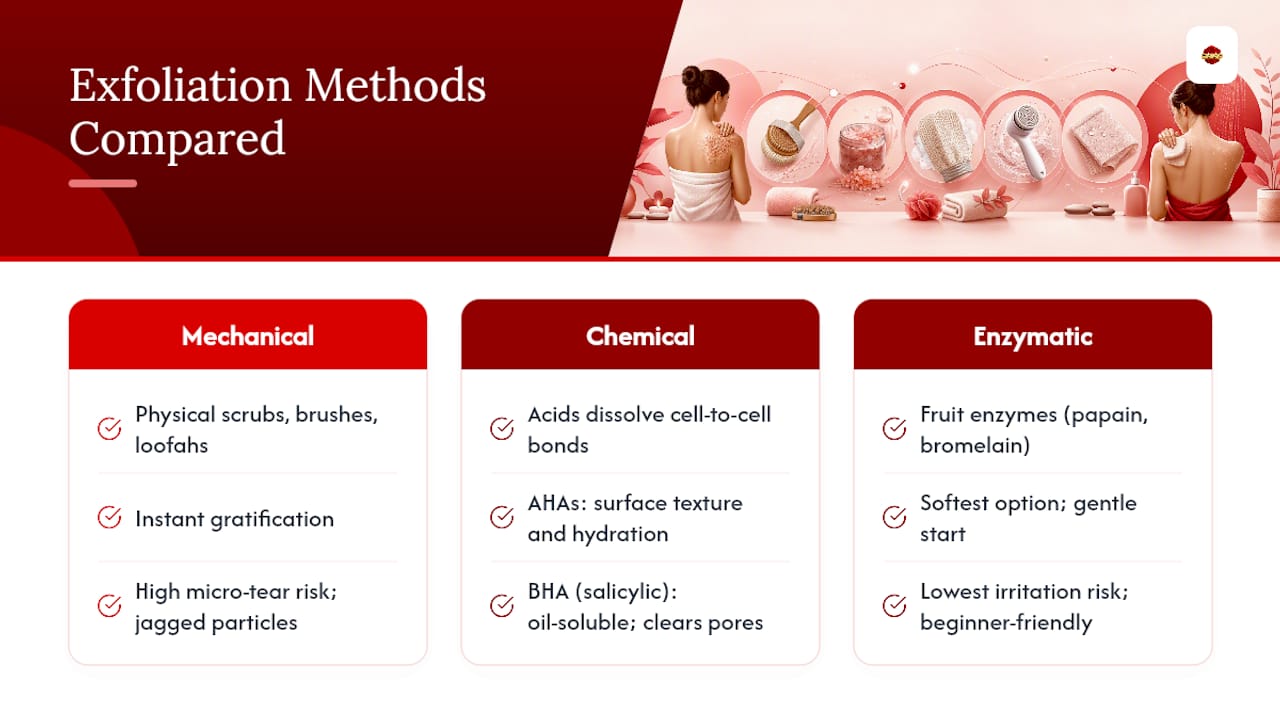
The three main approaches work through completely different mechanisms, and picking the wrong one for your skin is the most common reason people end up irritated.
Mechanical exfoliation uses scrubs, brushes, or loofahs to physically slough off dead cells. It gives instant gratification but carries the highest risk of micro-tears if the particles are too rough or you press too hard.
Chemical exfoliation uses acids to dissolve the bonds between dead skin cells. Alpha hydroxy acids like glycolic and lactic acid work on the surface for texture and hydration, while beta hydroxy acid, better known as salicylic acid, is oil-soluble and can get into pores to clear congestion, according to research on hydroxy acid mechanisms. Polyhydroxy acids and urea offer a gentler version of the same effect, with lower irritation potential for sensitive skin types.
Enzymatic exfoliation relies on fruit enzymes like papain (papaya) or bromelain (pineapple) to break down surface proteins. It’s the softest option of the three, which makes it a reasonable starting point if you’ve never exfoliated before.
One warning worth repeating: physical scrubs made with crushed shells or nutshells create irregular, jagged particles that can scratch the skin’s surface. Finely milled powders or dissolving beads are the safer mechanical choice.
Pro Tip: If you’re not sure which category you fall into, try an enzyme mask or a mild lactic acid lotion for two weeks before graduating to anything stronger. Your skin will tell you fast if it’s too much.
How Do You Exfoliate the Body in the Shower?
- Soak first. Spend three to five minutes under warm (not hot) water to soften the skin, and cleanse first if you’re heavily sweaty or sunscreen-coated.
- If using a dry brush, do it before you step into the water, working in long strokes toward the heart with light pressure. Never brush over broken skin.
- If using a scrub, apply to damp skin and work in small circular motions for about 30 seconds per area, which matches the technique the American Academy of Dermatology recommends for both scrubs and chemical exfoliators. Skip thin-skinned areas like the inner arms and chest if you’re using anything gritty.
- If using a chemical exfoliant, apply a thin layer of a leave-on AHA or BHA lotion to clean, dry skin, not wet skin, since water can dilute the acid’s effectiveness. Patch test on your inner forearm for 24 hours before your first full-body use. Acid washes rinse off quickly and are gentler than leave-on formulas, which stay active on the skin longer.
- Rinse with lukewarm water, never hot, since heat strips natural oils and can worsen irritation.
- Pat dry, don’t rub, and apply moisturizer within a couple of minutes while skin is still slightly damp.
- If it’s daytime, wait for the moisturizer to absorb, then apply sunscreen before dressing.
Pro Tip: Exfoliating at night works better for chemical methods since you skip the sun-sensitivity window entirely and let the moisturizer work while you sleep.
How Often Should You Exfoliate Different Skin Types?
Frequency is where most people get into trouble, usually by overdoing it in the first two weeks and then wondering why their skin is burning.
Sensitive or dry skin generally does best with once a week. Normal skin tolerates one to two sessions weekly. Oily or acne-prone skin, especially on the back and chest, can often handle up to three sessions a week or a targeted salicylic acid wash used on problem areas alone.
- Sensitive/dry: once weekly, gentle enzymatic or low-strength chemical only
- Normal: one to two times weekly, mechanical or chemical
- Oily/acne-prone: up to three times weekly, salicylic acid-based products
Stronger actives need less frequency, not more. Harvard Health points out that over-exfoliation causes inflammation and breaks down the skin barrier, and the warning signs, persistent redness, burning, visible peeling, or unexpected dark patches, mean it’s time to stop actives and see a dermatologist. Skip exfoliation entirely during an active eczema or psoriasis flare, and be cautious layering it with retinoids, benzoyl peroxide, or any prescription topical, since the combined effect can outpace what your barrier can handle.
Choosing the Right Exfoliant for Your Skin Type
Matching the method to the skin, not the trend, is what separates a routine that works from one that backfires. A few starting points by concern:
- Sensitive skin: low-strength PHAs, mandelic acid, or urea-based lotions, paired with fragrance-free moisturizers to avoid compounding irritation.
- Dry skin: lactic acid tends to exfoliate while pulling in moisture at the same time, so follow with a richer, occlusive moisturizer to lock it in.
- Oily or acne-prone skin: a 1 to 2% salicylic acid body wash handles broad coverage, with a targeted spot treatment for stubborn areas like the back.
- Keratosis pilaris or rough patches: gentle physical exfoliation on the thickest areas, elbows and knees especially, combined with a leave-on lactic acid or urea product, is a widely recommended combination for this specific concern.
If you’re still narrowing down ingredients for sensitive or reactive skin, a deeper ingredient guide can help you avoid the common irritants hiding in mainstream body washes.
What Should You Do After Exfoliating?
The few minutes right after exfoliation matter almost as much as the exfoliation itself, because the skin barrier is temporarily more permeable and more vulnerable.
Apply moisturizer while skin is still damp, not fully dry, and look for ceramides, glycerin, or hyaluronic acid on the label since these hold water in the skin rather than just sitting on top of it. Very dry skin benefits from a heavier, occlusive layer on top, something like a butter or balm rather than a thin lotion.
- Moisturize within minutes of rinsing, while skin is damp
- Choose ceramide or glycerin-based formulas for daily use, heavier occlusives for dry patches
- Apply broad-spectrum SPF 30 or higher if you’re heading out during the day
Sunscreen isn’t optional here. Exfoliation increases sun sensitivity, and applying broad-spectrum protection after a daytime session is one of the simplest ways to prevent new pigmentation from forming where you just worked to remove old texture. For more on layering after-sun ingredients correctly, this after-sun skincare breakdown covers what to look for beyond basic SPF.
Pro Tip: If you’re testing a new rich balm for the first time, apply a dime-sized amount to one forearm and wait 24 hours before using it body-wide, the same way you’d patch test a new acid.
Where Natural Sugar Scrubs and Body Butters Fit In
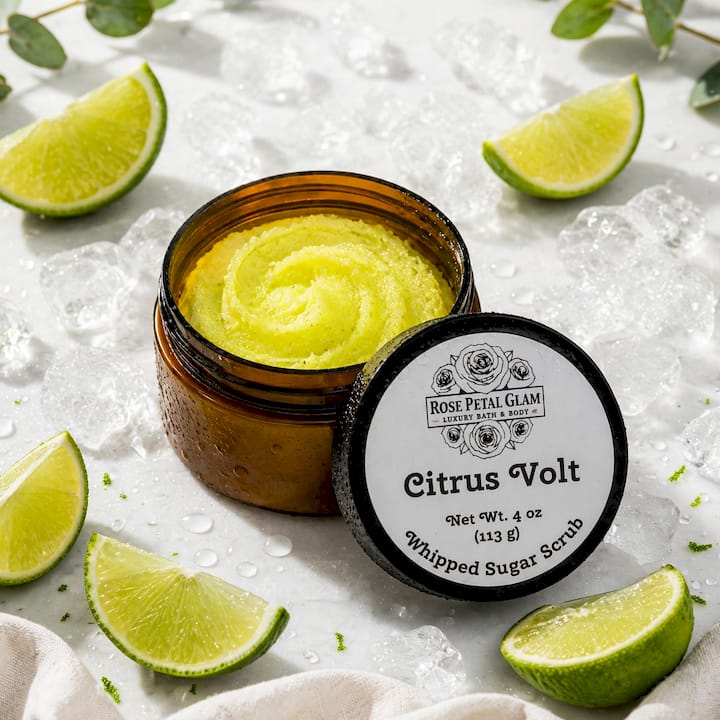
Once you understand the mechanics, the right products make the routine easier to stick with. Rose Petal Glam’s whipped sugar scrubs work well on thicker-skinned areas like elbows, knees, and heels, used once or twice a week rather than daily, since sugar granules are gentler than salt but still mechanical. The Gentle Clean fragrance-free version is a sensible starting point for anyone with reactive skin, and the full sugar scrub line covers a range of textures for different needs.
For the moisturizing step, whipped tallow body butters are built for exactly the barrier-support role dermatologists recommend right after exfoliation, since grass-fed tallow closely mirrors the lipids already in human skin.
- Sugar scrubs: use sparingly on rough areas, never on freshly shaved or irritated skin
- Body butters: apply while skin is still damp for the best absorption
- Patch test any new formula for 24 hours before full-body use, especially with fragrance oils
| Product Type | Best Use in an Exfoliation Routine |
|---|---|
| Whipped sugar scrub | Thicker areas (elbows, knees, heels), one to two times weekly |
| Whipped tallow body butter | Post-exfoliation moisturizer while skin is damp |
| Fragrance-free tallow soap | Daily cleansing step before exfoliating |
A quick, honest note from the field
No routine works if it ignores your skin’s actual reaction. Patch test everything new, and if redness or burning lingers past an hour, stop and see a dermatologist.
— Brent
Chemical exfoliants generally outperform abrasive scrubs for controlling texture and irritation, and consistent, moderate use beats aggressive, frequent use every time.
| Point | Details |
|---|---|
| Start gentle | Enzyme masks or low-strength lactic acid are the safest entry point if you’ve never exfoliated before. |
| Match frequency to skin type | Sensitive skin once weekly, normal skin one to two times, oily skin up to three times weekly. |
| Watch for barrier damage | Persistent redness, burning, or peeling means stop actives and consult a dermatologist. |
| Moisturize while damp | Apply ceramide or glycerin-based products within minutes of rinsing to lock in hydration. |
| Rose Petal Glam fits the aftercare step | Whipped tallow body butters and fragrance-free sugar scrubs support the moisturizing and gentle-exfoliation stages of this routine. |
Where to learn more
For deeper technique guidance, see the American Academy of Dermatology’s exfoliation guide and Harvard Health’s overview of exfoliation science. Persistent skin issues warrant a dermatologist’s opinion.
Your Next Step Toward a Simpler Routine
Most exfoliation advice stops at technique and leaves you guessing what to put on afterward. Rose Petal Glam fills that gap directly: small-batch body butters and sugar scrubs made with grass-fed tallow and jojoba oil, formulated to support the skin barrier exactly when it needs it most, right after you exfoliate.

Unlike mass-produced lotions loaded with synthetic fillers, these formulas are built to actually replenish moisture rather than sit on top of dry skin. If you have keratosis pilaris, rough elbows, or skin that reacts to fragrance, the fragrance-free tallow soap and unscented scrub options give you a full routine without guesswork on ingredients. Browse the whipped body butter collection to find a texture that matches your skin, and pick up a jar to try alongside your next exfoliation session.
This article is general information, not a substitute for advice from a qualified doctor. Consult a qualified healthcare professional about your own circumstances before acting on anything here.
Sources
- How to safely exfoliate at home - American Academy of Dermatology
- Have you exfoliated lately? - Harvard Health
- NCBI PMC article on hydroxy acids (example source)
- NCBI PMC article on PHAs and sensitivity (example source)
FAQ
How Do You Exfoliate Your Body in the Shower?
Soak for a few minutes to soften skin, apply a gentle scrub or chemical exfoliant in small circular motions for about 30 seconds per area, then rinse with lukewarm water and moisturize while damp.
Is a Scrub or a Chemical Exfoliator Better?
Chemical exfoliants like AHAs and BHAs generally offer more controlled results with less risk of micro-tears than abrasive scrubs, though a gentle scrub with fine, dissolving particles works well for thicker areas like elbows and heels.
Should You Exfoliate Wet or Dry Skin?
Physical scrubs work best on damp skin in the shower, while leave-on chemical exfoliants should go on clean, dry skin so the acid isn’t diluted by water.
How Do You Exfoliate the Neck Safely?
The neck has thinner, more delicate skin than the body, so use a soft washcloth or a mild enzyme exfoliant rather than a coarse scrub, and limit it to once a week.
Recommended
- How to Build a Simple, Clean Skincare Routine with Natural Products | Rose Petal Glam Blog
- Whipped Sugar Scrub | Tallow Sugar Body Scrub | Rose Petal Glam
- Gentle Clean - Whipped Tallow Sugar Scrub - Net Wt. 4 oz (Fragrance-Free) | Handmade Sugar Scrub | Rose Petal Glam
- 5 Reasons to Switch to Handmade Soap (Your Skin Will Thank You) | Rose Petal Glam Blog