Skincare for Dry Skin: The Routine Dermatologists Recommend
Published 2026-08-17 by Rose Petal Glam
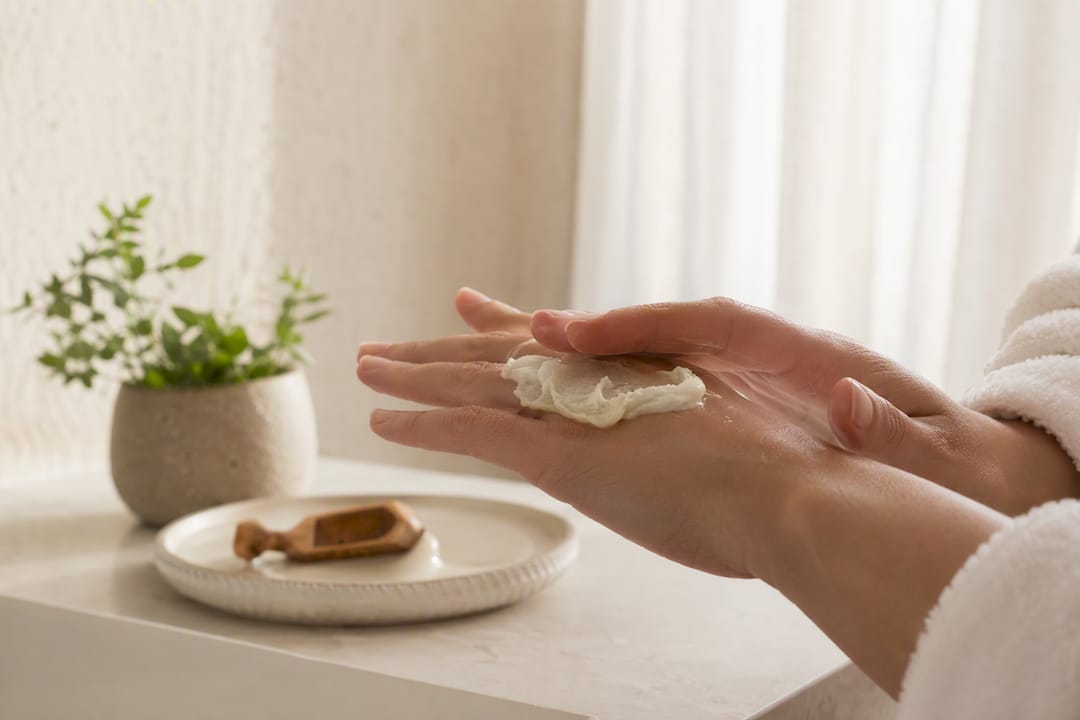
Fix dry skin with two things done consistently: a morning routine that seals in moisture before you face the day, and an evening routine that repairs your skin barrier overnight. The core sequence is the same both times, with small changes. Cleanse gently, apply a humectant while skin is still damp, layer a moisturizer with both emollients and occlusives, and reapply whenever you wash your hands.
The product roles that matter most:
- Cleanser: non-foaming, sulfate-free
- Humectant serum: hyaluronic acid or glycerin
- Moisturizer: contains emollients (shea butter, fatty acids) plus an occlusive (petrolatum, tallow)
- SPF: every morning, no exceptions
Pro Tip: Apply moisturizer within 60 seconds of patting your skin dry, and patch-test any heavy occlusive on your inner forearm for 24 to 48 hours before using it on your face.
Keep reading for the ingredient science behind this, a candid look at tallow as a natural occlusive, and specific product picks by budget.
Key Takeaways
Skincare for dry skin works when you combine humectants, emollients, and occlusives in the right order and reapply after every hand-wash, not just once a day.
| Point | Details |
|---|---|
| Layer in the right order | Cleanse, humectant serum on damp skin, moisturizer with emollients and occlusives, then SPF in the morning. |
| Choose fragrance-free over unscented | Unscented products can contain masking chemicals that irritate already-dry skin. |
| Patch-test heavy occlusives | Apply a pea-size amount to your forearm and wait 24 to 48 hours before using it on your face. |
| Reapply constantly | Moisturize after every hand-wash and shower, not just morning and night. |
| Reserve tallow for the right areas | Rose Petal Glam’s tallow-based body butters and soaps work best on hands, elbows, and feet rather than acne-prone facial skin. |
Table of Contents
- A Morning Skincare Routine for Dry Skin That Actually Works
- An Evening Routine for Dry Skin Repair
- What Ingredients Actually Fix Dry Skin?
- Small Habit Changes That Matter More Than Any Product
- Does Beef Tallow Actually Help Dry Skin?
- Which Products Should You Actually Buy?
- When Home Care Isn’t Enough for Dry Skin
- Can Dry Skin Products Interact With Other Skin Conditions?
- Sources
- FAQ
A Morning Skincare Routine for Dry Skin That Actually Works
Your skin loses water overnight, so the morning goal is sealing it back in, not stripping it further. Start with a cleanser that doesn’t foam. Foaming agents typically rely on sulfates that strip the natural oils dry skin can’t afford to lose.
- Cleanse with a gentle, non-foaming wash. Thirty seconds is plenty.
- Apply a humectant serum to damp skin. Hyaluronic acid pulls water from the air and lower skin layers, but it works best when there’s moisture nearby to grab, which is why damp skin matters more than dry skin here.
- Layer a moisturizer with both emollients and occlusives. For daytime, a lighter cream with ceramides beats a heavy balm that pills under makeup or sunscreen.
- Finish with SPF. UV damage worsens barrier dysfunction, which makes dry skin drier over time.
Skip alcohol-based toners and astringents entirely. If you’re applying anything to your face, check the label for “noncomedogenic.” That word matters more on facial products than body products because clogged facial pores show up as breakouts within days.
An Evening Routine for Dry Skin Repair
Nighttime is when skin does its repair work, so the evening routine leans harder into barrier restoration than the morning one does. Start by removing sunscreen and makeup, but resist the urge to double-cleanse aggressively. One gentle cleanse is usually enough for dry skin.
- Cleanse to remove the day’s buildup without foaming agents.
- Apply targeted treatments if you use them, like a retinoid, but only after your skin has tolerated a basic hydrating routine for at least two weeks.
- Layer a hydrating serum with humectants while skin is still damp.
- Seal with a thicker cream or ointment. Nighttime is when a true occlusive earns its place, since you’re not worried about pilling under makeup.
If retinoids irritate your skin, try the derm-recommended layering approach of applying moisturizer before and after the retinoid, sometimes called a “retinol sandwich.” It buffers the active ingredient without canceling its effect.
Pro Tip: Introduce retinoids twice a week, not nightly, until your skin builds tolerance. Rushing this step is the single most common reason dry skin gets irritated by actives.
What Ingredients Actually Fix Dry Skin?
Three ingredient categories do the actual work, and knowing which is which changes how you shop.
- Humectants draw water into the skin from the air or deeper layers.
- Emollients fill in the cracks between skin cells to smooth and soften.
- Occlusives form a physical seal that blocks water from evaporating.
Harvard Health notes that thicker, greasier formulations generally outperform lightweight lotions at preventing water loss, which is why a heavy night cream often does more than a fast-absorbing daytime one.
| Ingredient Class | Common Examples | What It Does |
|---|---|---|
| Humectant | Hyaluronic acid, glycerin, sorbitol | Pulls moisture into the skin |
| Emollient | Shea butter, fatty acids, jojoba oil | Smooths and softens the surface |
| Occlusive | Petrolatum, mineral oil, tallow | Seals moisture in, blocks water loss |
Skip products with denatured alcohol high on the ingredient list, harsh sulfates, or fragrance blends labeled “unscented” rather than “fragrance-free.” Dermatologists point out that “unscented” often means masking chemicals were added to cover another scent, which can irritate skin that’s already compromised. Over-exfoliating with acids or scrubs multiple times a week also backfires. It removes the very cells your barrier needs to hold moisture.
Small Habit Changes That Matter More Than Any Product
Experts consistently find that daily habits move the needle more than swapping one cream for another. Keep showers to 5 to 10 minutes in warm, not hot, water. Hot water strips lipids faster than you’d expect, even with a great moisturizer waiting on the shelf.
- Pat skin dry, don’t rub, and moisturize within a minute or two.
- Run a humidifier in bedrooms during dry months.
- Wear gloves for dishes and cleaning to avoid detergent exposure.
- Choose fragrance-free laundry detergent and skip fabric softener sheets.
Reapply moisturizer every time you wash your hands, not just morning and night. One clear pattern in dermatology guidance is that once-daily application is often not enough for real barrier repair. Keep a travel-size hand cream at your desk or in your bag.
To patch-test a new heavy occlusive: apply a pea-size amount to your inner forearm, wait 24 to 48 hours, and check for redness, bumps, or itching before using it anywhere else.
Pro Tip: Aim for a comfortable indoor humidity level and clean your humidifier regularly to prevent mold. A dirty humidifier can grow mold and worsen respiratory or skin symptoms instead of helping them.
Does Beef Tallow Actually Help Dry Skin?
Tallow’s fatty acid profile, mostly palmitic, stearic, and oleic acid with small amounts of linoleic acid, resembles the composition of human sebum closely enough that it can integrate into the skin’s outer lipid layer and function as an occlusive. That’s the honest case for it. The honest caveat is that individual fatty acids in that profile have opposing effects. Some support hydration, while oleic acid in particular can worsen acne or disrupt barrier function for certain skin types.
Cleveland Clinic dermatologists are direct about this: tallow can clog pores and trigger breakouts in acne-prone or oily skin, and long-term clinical evidence is thin. Much of tallow’s popularity comes from social media rather than dermatology research, and a review of that promotion found many posts came from accounts without healthcare credentials and with clear financial incentives to recommend it.
Who should skip tallow, or at least stay cautious:
- Acne-prone or oily-skin types
- Anyone with active breakouts or recent skin procedures
- Sensitive skin that reacts to new occlusives generally
Patch-test protocol before trying any tallow product: apply a pea-size amount to your inner forearm, wait 24 to 48 hours, and watch for redness or bumps before moving to your face or body. Rose Petal Glam formulates its tallow skincare collection from grass-fed sourcing in small batches, which lets us control quality in ways mass-market tallow products often don’t. That doesn’t replace a patch test. It just means what you’re testing is worth trusting.
Pro Tip: If you have oily or combination skin, reserve tallow-based products for your hands, elbows, and feet rather than your face, where oil production is already doing some of tallow’s job for you.
Which Products Should You Actually Buy?
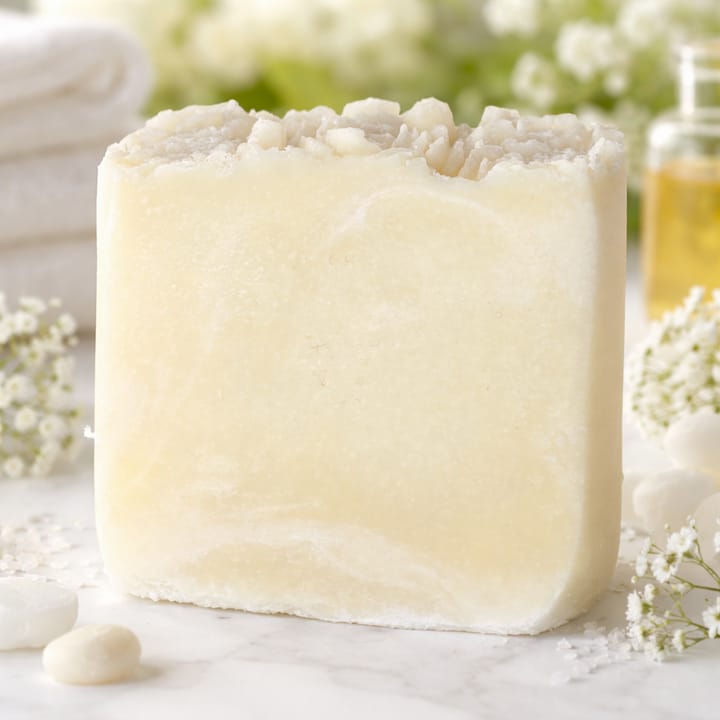
Match the product to the body part and the season, not just the skin type on the label. Very dry hands, elbows, and feet respond well to a fragrance-free tallow body butter used at night, when you’re not worried about it sitting under makeup. Faces need something lighter: a daytime moisturizer with ceramides and SPF built in, or a separate SPF layered over a hydrating cream.
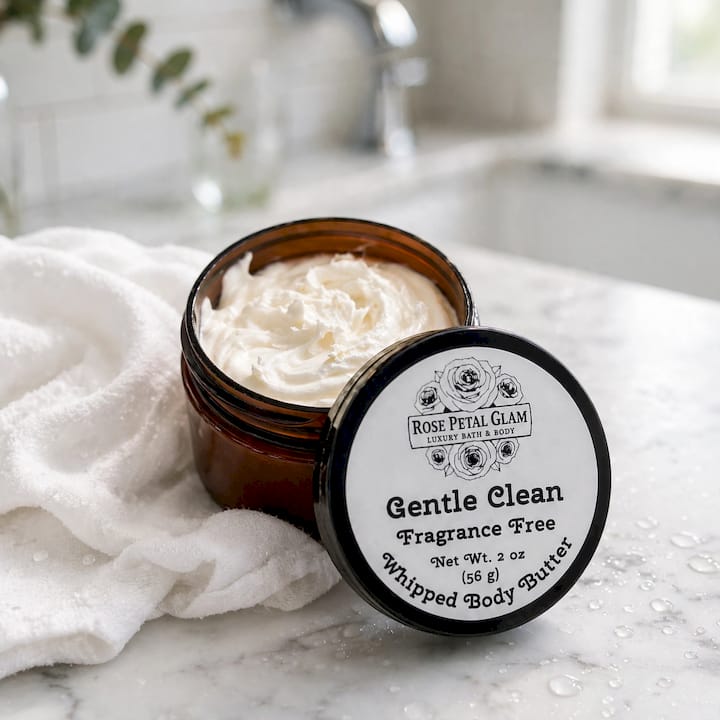
For cleansing, a non-foaming bar soap keeps the barrier intact better than a sulfate-heavy body wash. Rose Petal Glam’s fragrance-free tallow soap is built for exactly this, cleansing without the stripping effect that makes dry skin worse by evening.
Before buying anything new, run through this checklist:
- Patch test on your forearm for 24 to 48 hours
- Choose “fragrance-free,” not “unscented”
- Look for “noncomedogenic” on anything going on your face
- Match the texture to the body part: lighter for face, heavier for hands and feet
Don’t put a heavy tallow balm on acne-prone facial skin. Do reserve it for very dry body areas or nighttime sealing, where its thick texture is an asset instead of a liability.
| Point | Details |
|---|---|
| Best for very dry hands/feet | Fragrance-free tallow body butter applied at night |
| Best for face | Lightweight ceramide moisturizer plus SPF in the morning |
| Best for cleansing | Non-foaming tallow soap bar over sulfate-based body wash |
When Home Care Isn’t Enough for Dry Skin
Most dry skin responds to routine and product changes within two to four weeks. If it doesn’t, certain signs mean it’s time to stop experimenting and call a dermatologist.
- Cracking that bleeds or won’t close
- A rash that spreads or worsens despite moisturizing
- Itching severe enough to disrupt sleep
- Signs of infection: pus, warmth, increasing redness
A dermatologist may prescribe a topical corticosteroid or barrier-repair cream, and persistent cases sometimes point to eczema or psoriasis that needs its own treatment plan. Before your appointment, write down every product you’ve used in the past month and stop anything you suspect is the culprit.
Can Dry Skin Products Interact With Other Skin Conditions?
Dry skin rarely exists in isolation, and the products that help it can complicate other conditions if you’re not paying attention. Eczema and dry skin overlap heavily, and while heavy occlusives soothe classic dry skin, someone with active eczema flares may need a specific barrier-repair formulation rather than a generic thick cream. Some occlusives trap heat and moisture in a way that worsens inflamed, weepy eczema patches instead of calming them.
Rosacea presents a different conflict. Many rosacea treatments include mild acids or retinoids that can leave skin drier and more reactive, so layering a standard “dry skin” routine on top without adjusting for rosacea triggers, like heavy fragrance or certain plant oils, can backfire into flushing and stinging.
Acne and dry skin can coexist on the same face, particularly around the mouth and cheeks in people using acne treatments like benzoyl peroxide or retinoids, which dry out skin as a side effect. Piling a heavy occlusive over active acne medication risks trapping the medication against skin in a way that increases irritation, or clogging pores in areas that aren’t actually dry.
Post-procedure skin (chemical peels, laser treatments, microneedling) needs gentler products entirely. Fragrance and heavy occlusives that would help ordinary dry skin can irritate compromised, healing skin. If you have a diagnosed skin condition alongside dry skin, mention every product you’re layering when you talk to a dermatologist or your treating provider. What works in isolation doesn’t always work stacked together.
A Brand Perspective on Caring for Dry Skin
We built Rose Petal Glam on the belief that dry skin deserves ingredients that actually do something, grass-fed tallow, jojoba oil, real emollients, not fillers dressed up in marketing language. Every formulation gets patch-tested, and we offer fragrance-free versions across our lines because we know sensitive skin can’t tolerate guesswork. If you’re new to natural skincare, start with a bundle rather than piecing it together product by product.
Try the Rose Petal Glam Dry-Skin Starter Bundle
If your skin is cracking by January and you’re tired of lotions that evaporate before lunch, the fix usually isn’t a fancier product. It’s a set of pieces that actually work together: a gentle cleanser, a barrier-sealing body butter, and a fragrance-free option for skin that reacts to everything.

Rose Petal Glam’s starter approach pairs a fragrance-free tallow soap for cleansing with a whipped tallow body butter for hands, elbows, and feet, the areas that usually crack first once the heat kicks on. Both are made in small batches from grass-fed tallow and jojoba oil, with no synthetic fillers diluting the moisture. Patch test the body butter on your forearm before using it on your face or anywhere sensitive, especially if you’re prone to breakouts.
Browse the full tallow skincare collection to build a routine around your specific dry spots, or start with a single body butter and see how your skin responds before committing to more.
Sources
- Dry skin — Diagnosis and treatment — Mayo Clinic
- Helping dry skin — Harvard Health
- Is Beef Tallow Good for Your Skin? — Cleveland Clinic
If your dry skin doesn’t improve within a few weeks of consistent care, a dermatologist can rule out underlying conditions and prescribe targeted treatment.
FAQ
What skincare routine is best for dry skin?
The most effective routine layers a non-foaming cleanser, a humectant serum on damp skin, a moisturizer with emollients and occlusives, and SPF in the morning, with reapplication after every hand-wash.
Which skincare products are best for dry skin?
Look for products containing hyaluronic acid or glycerin as humectants, shea butter or fatty acids as emollients, and petrolatum or tallow as occlusives, ideally labeled fragrance-free.
What is the best product to put on dry skin?
For very dry hands, elbows, and feet, a thick, fragrance-free body butter with tallow or shea butter works best because greasier formulations block water loss more effectively than lightweight lotions.
Is beef tallow safe for all skin types?
No. Tallow can clog pores and trigger breakouts in acne-prone or oily skin, so it’s best reserved for very dry body areas and always patch-tested first.
How often should I moisturize dry skin?
Apply moisturizer at least twice daily and again after every hand-wash or shower, since once-daily application is often insufficient for full barrier repair.