Pregnancy Safe Skincare: What to Keep and What to Stop
Published 2026-08-06 by Rose Petal Glam
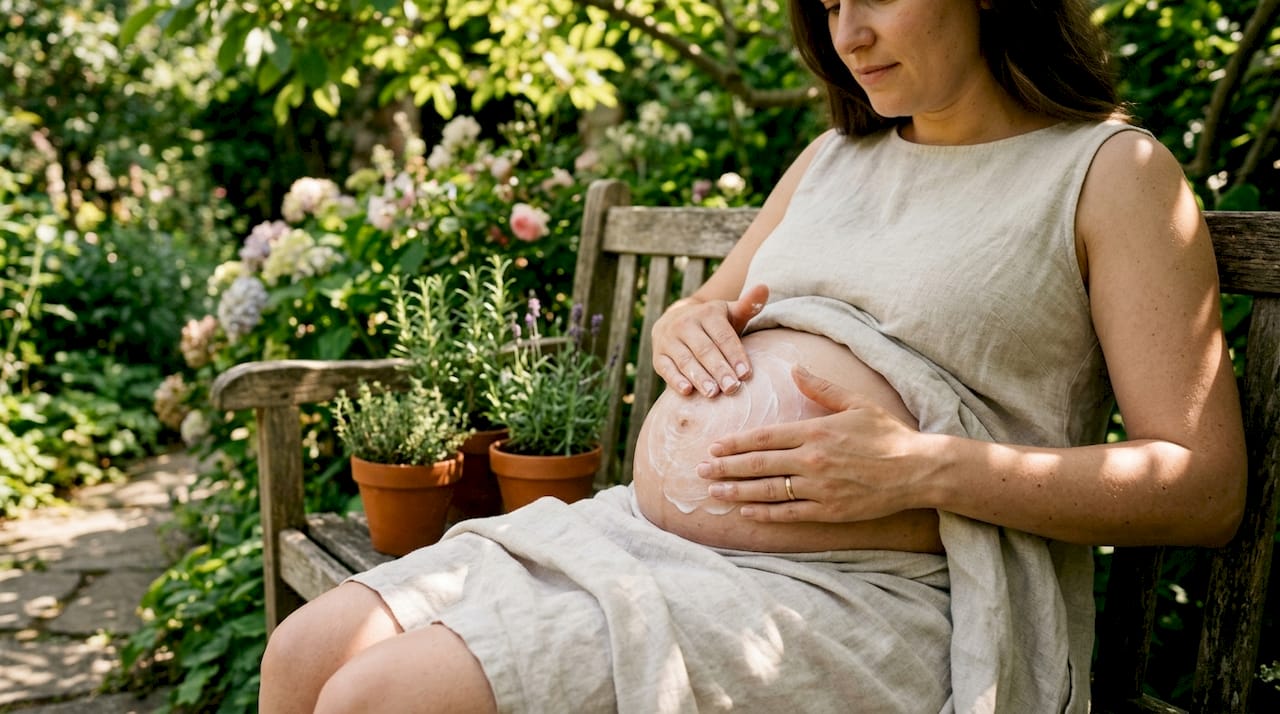
Stop retinoids, high-dose salicylic acid, hydroquinone, and oral isotretinoin immediately. Defer deep chemical peels, medium-to-deep lasers, and injectable procedures until postpartum. What you can keep: a gentle cleanser, fragrance-free moisturizer or body butter, mineral SPF, hyaluronic acid, niacinamide, and azelaic acid. Those basics cover most skin concerns without putting your baby at risk.
Immediate actions to take right now:
- Stop all retinoid-containing products (retinol, tretinoin, adapalene, retinoic acid)
- Check every label for hydroquinone and high-concentration salicylic acid
- Switch to a mineral sunscreen with zinc oxide or titanium dioxide
- Save aggressive chemical peels, laser treatments, and injectables for after delivery
- Bring any product you are unsure about to your next OB/GYN visit
If you are currently taking oral isotretinoin (Accutane) or any systemic prescription acne medication, contact your OB/GYN today. Isotretinoin is a known teratogen with serious fetal risks. Do not wait for your next scheduled appointment.
Key Takeaways
Stopping retinoids and deferring aggressive procedures are the two highest-impact changes you can make for pregnancy safe skincare, and mineral SPF plus fragrance-free emollients cover most of what your skin needs in the meantime.
| Point | Details |
|---|---|
| Stop retinoids immediately | All forms, including retinol, tretinoin, and adapalene, are advised against during pregnancy. |
| Mineral SPF is non-negotiable | Zinc oxide or titanium dioxide sunscreen protects skin and is the preferred filter type during pregnancy. |
| Fragrance-free emollients are low risk | Simple body butters and cleansers without synthetic fragrance sit in the lower-risk category for pregnancy. |
| Label reading beats marketing claims | “Natural” and “dermatologist-tested” do not guarantee pregnancy safety; check the full INCI ingredient list. |
| Rosepetalglam fragrance-free options | The Gentle Clean Tallow Soap and Whipped Tallow Body Butter offer short, verifiable ingredient lists for pregnancy routines. |
Table of Contents
- How does pregnancy change your skin, and why does it matter for product choice?
- Which skincare ingredients should you avoid during pregnancy?
- What professional treatments should you postpone during pregnancy?
- Which ingredients are generally safe to use during pregnancy?
- How do you read a product label to check for pregnancy safety?
- Practical pregnancy-safe routines for three common skin concerns
- When should you see a doctor instead of adjusting your routine?
- Why simple, transparent ingredients matter more during pregnancy
- Rosepetalglam’s fragrance-free options for pregnancy skin
- Sources
- FAQ
How does pregnancy change your skin, and why does it matter for product choice?
Hormonal surges in progesterone and estrogen drive most of the skin changes you notice during pregnancy. Progesterone increases sebum production, which can trigger acne flares, especially in the first trimester. Estrogen stimulates melanocytes, leading to melasma (the “mask of pregnancy”) and darkening of the linea nigra. At the same time, the skin’s barrier function can shift, making it more reactive and more permeable to topical ingredients.
That last point matters more than most people realize. Percutaneous absorption depends on molecule size, formulation, and skin condition — damaged or inflamed skin absorbs more of what you put on it. So a product that was fine before pregnancy may carry a different risk profile when your barrier is compromised or your skin is inflamed.
The good news: most pregnancy-related skin changes are benign. According to NCBI Bookshelf, hormonal acne and increased pigmentation are common and often improve substantially after childbirth. Melasma, in particular, has high postpartum resolution rates in many cases, which is exactly why dermatologists recommend deferring aggressive pigmentation treatments rather than reaching for the strongest actives available.
The practical implication: prioritize safe symptom management over corrective treatment. Keeping your skin calm, hydrated, and protected from UV is more valuable during pregnancy than chasing a perfect complexion.
Which skincare ingredients should you avoid during pregnancy?
Retinoids are the clearest category to eliminate. This includes both prescription options (tretinoin, adapalene, tazarotene) and over-the-counter forms (retinol, retinaldehyde, retinyl palmitate). Oral isotretinoin is a known teratogen. NCBI Bookshelf confirms that most retinoid-based topicals are advised against during pregnancy due to systemic absorption potential and documented fetal risks from the oral form.
High-risk ingredients and where to find them:
| Ingredient | Common product locations | Why to avoid |
|---|---|---|
| Retinol / tretinoin / adapalene | Anti-aging serums, acne prescriptions, eye creams | Teratogenic in oral form; systemic absorption risk from topicals |
| Hydroquinone | Brightening serums, dark spot correctors | High systemic absorption; limited pregnancy safety data |
| High-dose salicylic acid (>2%) | Chemical peels, exfoliating toners, acne pads | Oral salicylates linked to fetal risk; high concentrations warrant caution |
| Oral isotretinoin | Prescription acne medication | Known teratogen; requires strict pregnancy prevention protocols |
| Formaldehyde / formaldehyde releasers | Nail products, some preservative systems | Documented reproductive risks per CDC/NIOSH |
| Certain essential oils (high-dose) | “Natural” serums, aromatherapy blends | Potential uterine stimulants; unknown systemic effects |
INCI names to scan for on labels:
- Vitamin A derivatives: retinoic acid, retinyl acetate, retinyl palmitate, all-trans retinoic acid
- Salicylates: salicylic acid, beta hydroxy acid (BHA), willow bark extract (high concentration)
- Hydroquinone: listed as hydroquinone or under “skin-lightening” complexes
Board-certified dermatologists note that benzoyl peroxide and low-concentration salicylic acid have nuanced guidance. Conservative use of low-strength formulations is generally considered lower risk, but clinical oversight is recommended for anything beyond a basic spot treatment. Some maternity-focused resources list both among ingredients to discuss with your provider before continuing.
If you have severe nodulocystic acne and are wondering whether any prescription option could be considered, that conversation belongs with a board-certified dermatologist and your OB/GYN together, not with a product label.
What professional treatments should you postpone during pregnancy?
Most in-office procedures that involve significant chemical or thermal exposure are best deferred until after delivery. The concern is not always direct fetal harm from the treatment itself, but the lack of controlled safety data in pregnant populations and the systemic stress some procedures create.
Treatments to avoid or postpone:
- Deep and medium-depth chemical peels (TCA, phenol-based)
- Medium-to-deep ablative laser resurfacing
- Intense pulsed light (IPL) treatments
- Botulinum toxin injections (Botox, Dysport) and dermal fillers
- Micro-needling combined with active serums (retinoids, high-strength acids)
- Laser hair removal over large body surface areas
Lower-risk options (with clinician confirmation):
Gentle hydrating facials, basic extractions, and LED light therapy are generally considered lower risk, though you should still confirm with your OB/GYN or dermatologist before booking. Trimester matters: the first trimester is the period of highest organogenesis risk, so even borderline procedures are better deferred until the second trimester at the earliest, or postpartum entirely.
Pro Tip: Always tell your esthetician or clinic provider that you are pregnant or trying to conceive before any treatment begins. Bring a list of every product used in the procedure so you can verify ingredients with your OB/GYN afterward.
Which ingredients are generally safe to use during pregnancy?
Several actives have a strong safety record and are widely used in pregnancy-safe skincare routines. The key is choosing well-formulated, single-active products rather than multi-active blends that may hide stronger ingredients.
Generally safe actives and what they address:
- Hyaluronic acid: Hydration and plumping. Considered safe when formulated for sensitive skin; pair with SPF.
- Niacinamide (vitamin B3): Barrier support, mild brightening, pore appearance. Well-tolerated across trimesters.
- Azelaic acid: Acne and pigmentation control. Considered one of the better-studied options for pregnancy-related melasma.
- Vitamin C (L-ascorbic acid): Antioxidant protection and brightening. Generally considered safe; choose a stable, lower-concentration formula.
- Mineral SPF (zinc oxide, titanium dioxide): Sun protection without chemical filter concerns. The preferred sunscreen type during pregnancy.
- Low-strength glycolic acid (≤5–7%): Mild exfoliation. Proceed with caution; avoid high-concentration formulations and peels.
A note on benzoyl peroxide and salicylic acid: Low-concentration benzoyl peroxide (2.5%) has low systemic absorption and is often considered acceptable for spot use, but conservative application is advised. Salicylic acid at low concentrations (≤2% in a rinse-off product) is similarly lower risk than high-strength leave-on formulations. Both merit a conversation with your provider before you continue using them.
Fragrance and preservative concerns:
- Synthetic fragrance blends (“fragrance” or “parfum” on a label) can contain dozens of undisclosed chemicals, some with sensitizing or hormonal activity
- Certain parabens and antimicrobial preservatives have limited pregnancy-specific data
- Choosing fragrance-free, minimal-ingredient formulations reduces cumulative exposure
The AAD cautions that “natural” on a label does not guarantee safety. Some botanicals and essential oils can irritate or pose unknown risks in pregnancy. Ingredient-level verification is the only reliable method.
Pro Tip: Introduce one new product at a time, wait 5–7 days before adding another, and patch-test on your inner arm first. Pregnancy skin is more reactive, and a multi-product switch makes it impossible to identify what caused a reaction.
How do you read a product label to check for pregnancy safety?
The FDA does not approve cosmetics for pregnancy safety and advises consumers to consult clinicians for product-specific questions. That means the safety check is on you, and it starts with the ingredient list, not the front of the package.
Step-by-step label check:
- Find the full ingredient list (INCI format), usually on the back or bottom of the product
- Scan for retinoid INCI names: retinoic acid, retinol, retinaldehyde, retinyl palmitate, retinyl acetate, adapalene, tretinoin
- Check for hydroquinone (listed plainly or within a “brightening complex”)
- Identify the sunscreen filter type: zinc oxide or titanium dioxide = mineral (preferred); avobenzone, oxybenzone, octinoxate = chemical (more caution warranted)
- Look for “fragrance,” “parfum,” or “essential oil blend” — these are catch-all terms that may hide sensitizers
- Check preservatives: DMDM hydantoin, quaternium-15, imidazolidinyl urea are formaldehyde releasers
- Note the product’s rinse-off vs. leave-on status — leave-on products have higher absorption potential
Label red flags that mean nothing for pregnancy safety:
- “Natural,” “organic,” “plant-based,” “clean,” “dermatologist-tested,” “hypoallergenic”
- “Pregnancy-safe” claims on the front label (no regulatory standard backs this claim in the U.S.)
Bring the physical product or a photo of its ingredient list to your prenatal visit. A board-certified dermatologist can review it in minutes and give you a clear answer. That is faster and more reliable than any online safety database.
Practical pregnancy-safe routines for three common skin concerns
Sensitive and dry skin
AM: Gentle fragrance-free cleanser → hyaluronic acid serum → fragrance-free emollient moisturizer → mineral SPF (zinc oxide or titanium dioxide)
PM: Same gentle cleanser → niacinamide serum → rich fragrance-free body butter on belly, hips, and thighs while skin is still slightly damp
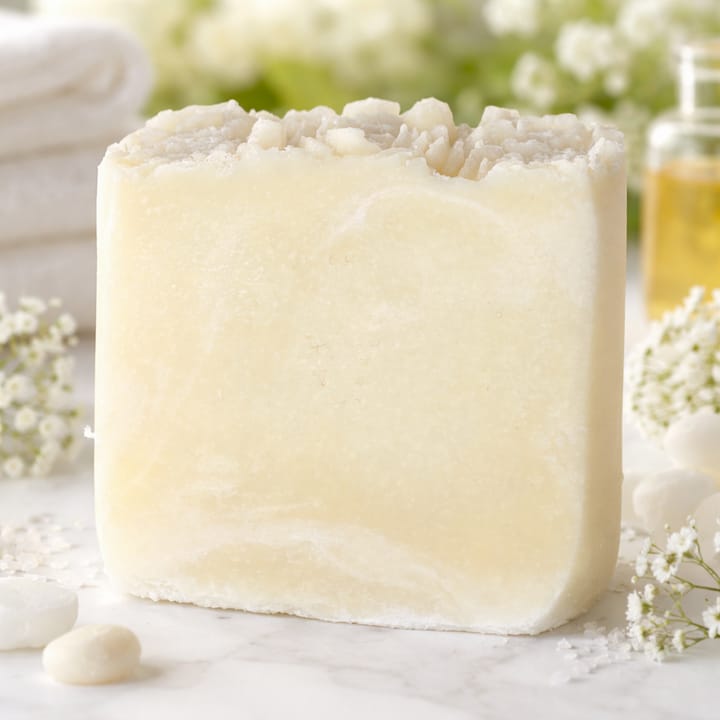
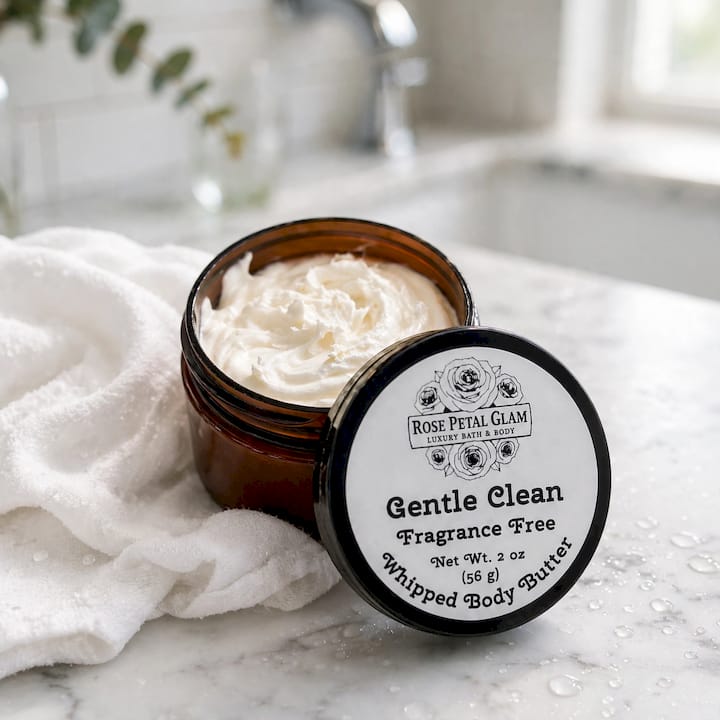
For cleansing, the Rosepetalglam Gentle Clean Fragrance-Free Tallow Soap is formulated without synthetic fragrance and uses grass-fed tallow and jojoba oil as its base, which makes it a practical fit for sensitive pregnancy skin. For body moisturization, the Rosepetalglam Gentle Clean Whipped Tallow Body Butter (fragrance-free) provides emollient support without the synthetic fillers that can aggravate reactive skin. Simple emollient body butters sit in the lower-risk category for pregnancy compared to body products that function as active treatments.
Acne-prone skin
AM: Gentle gel or cream cleanser → niacinamide serum → lightweight fragrance-free moisturizer → mineral SPF
PM: Same cleanser → azelaic acid (if tolerated) → fragrance-free moisturizer
Avoid benzoyl peroxide washes that leave product on the skin for extended periods. A low-concentration spot treatment used briefly is lower risk than a full-face leave-on formula. Skip all retinoid-based acne products entirely. If your acne is severe or cystic, this is a clinical conversation, not a product swap.
Hyperpigmentation and melasma
AM: Gentle cleanser → vitamin C serum (stable, lower concentration) → fragrance-free moisturizer → mineral SPF (non-negotiable for melasma)
PM: Gentle cleanser → azelaic acid → fragrance-free moisturizer
Sun protection is the single most important step for melasma management during pregnancy. Skipping SPF undoes everything else. Hydroquinone, the most common prescription brightener, is off the table during pregnancy. Azelaic acid is the better-studied alternative. Given that melasma often resolves substantially postpartum, the goal during pregnancy is prevention and maintenance, not aggressive correction.
Pro Tip: Apply body butter or moisturizer immediately after a shower, within two minutes of patting dry. Damp skin absorbs emollients more effectively, and consistent application on the belly and hips can help manage the itching and tightness that comes with skin stretching.
If you notice new inflammation, a rash, or sudden sensitivity to a product you have used for weeks, simplify your routine to cleanser, moisturizer, and SPF only until the irritation resolves. Pregnancy skin can shift quickly, and adding actives on top of an irritated barrier increases absorption risk.
When should you see a doctor instead of adjusting your routine?
Some skin situations during pregnancy are beyond what product swaps can address. Knowing when to stop self-managing and call your provider is part of safe skincare during pregnancy.
Situations that require a clinical consultation:
- Severe, cystic, or nodulocystic acne that is not responding to gentle OTC care
- Any current use of systemic prescription acne medications, including oral isotretinoin or oral antibiotics
- A prescription topical retinoid you are unsure whether to continue
- A rapidly spreading rash, hives, or signs of skin infection (warmth, pus, fever)
- Significant worsening of melasma that is affecting your quality of life
- Uncertainty about any ingredient in a product you use daily
What to bring to the appointment:
- Physical product labels or photos of ingredient lists for every product in your current routine
- A timeline of when symptoms started or changed
- A full list of current prescription and over-the-counter medications, including supplements
- Your current trimester (first, second, or third)
Your OB/GYN and a board-certified dermatologist can work together on cases where maternal treatment needs and fetal safety require balancing. Neither should be making that call alone.
Why simple, transparent ingredients matter more during pregnancy
Pregnancy is not the time for a 12-step routine packed with actives. The brands and products that serve pregnant people best are the ones with short, readable ingredient lists, no synthetic fragrance, and a clear commitment to emollient support over aggressive treatment.
At Rosepetalglam, that philosophy is built into every product. The small-batch, handcrafted approach means the ingredient list stays short and verifiable. Grass-fed tallow and jojoba oil are the base of the body butters and soaps, not synthetic fillers or fragrance compounds. The fragrance-free options exist specifically for people with sensitive or reactive skin, including those navigating hormonal skin changes during pregnancy.
This is not a medical claim. Rosepetalglam products are emollients and cleansers, not treatments. For prescription-level concerns, clinical guidance from your OB/GYN or dermatologist is the right call. What Rosepetalglam offers is a simpler, cleaner starting point for the non-prescription part of your routine.
Rosepetalglam’s fragrance-free options for pregnancy skin
Pregnancy skin needs less, not more. Rosepetalglam’s Gentle Clean Fragrance-Free Tallow Soap and Whipped Tallow Body Butter are built on grass-fed tallow, jojoba oil, and a minimal ingredient list with no synthetic fragrance. That makes them a practical fit for the gentle cleansing and body moisturization steps in a pregnancy-safe routine, whether you are managing belly dryness, skin stretching, or general sensitivity.
Both products are handcrafted in small batches in Mount Morris, Michigan. The ingredient lists are short enough to verify in under a minute, which is exactly what the AAD recommends when evaluating products during pregnancy. Browse the full tallow skincare collection to see complete ingredient lists and find the right fit for your routine.
Sources
Verify any guidance in this article against these primary and clinical sources:
- Pregnancy skin care — American Academy of Dermatology (AAD)
- Percutaneous absorption and topical exposure — NCBI Bookshelf
- Skin conditions during pregnancy — AAFP
- Pregnancy-Safe Body Oils and Butters for 2026 | MamaSkin
- Lindsay Boyers, MD: Safe Skincare During Pregnancy
- What skin care products are safe during pregnancy? — GoodRx
This article is general information, not a substitute for advice from a qualified doctor. Consult a qualified healthcare professional about your own circumstances before acting on anything here.
FAQ
What skincare ingredients should I avoid during pregnancy?
Retinoids (retinol, tretinoin, adapalene), oral isotretinoin, hydroquinone, high-dose salicylic acid, and formaldehyde-releasing preservatives are the primary ingredients to eliminate. Synthetic fragrance blends and certain essential oils in high concentrations also warrant caution.
How do I know if my skincare is safe during pregnancy?
Read the full INCI ingredient list on the back of the product rather than relying on front-label claims like “natural” or “clean.” The FDA does not approve cosmetics for pregnancy safety, so bring any product you are unsure about to your OB/GYN or dermatologist for review.
Is vitamin C serum safe to use during pregnancy?
Vitamin C (L-ascorbic acid) is generally considered safe during pregnancy when formulated for sensitive skin and used alongside appropriate sun protection. Choose a stable, lower-concentration formula and avoid multi-active serums that combine vitamin C with retinoids or high-strength acids.
Is a fragrance-free body butter safe for a pregnant belly?
Simple emollient body butters without synthetic fragrance, retinoids, or exfoliating actives are in the lower-risk category for pregnancy. Rosepetalglam’s Whipped Tallow Body Butter (fragrance-free) uses grass-fed tallow and jojoba oil with a short, verifiable ingredient list, making it a practical option for belly and body moisturization during pregnancy.
When should I see a dermatologist instead of adjusting my routine?
See a board-certified dermatologist if you have severe or cystic acne, are currently using a prescription topical or systemic medication, notice a rapidly spreading rash or signs of infection, or are uncertain about any ingredient in a product you use daily. Bring your full product list and current trimester information to the appointment.
Recommended
- How to Build a Simple, Clean Skincare Routine with Natural Products | Rose Petal Glam Blog
- Skincare Blog | Natural Skincare Tips & Guides | Rose Petal Glam
- The Ultimate Guide to Natural Ingredients for Sensitive Skin | Rose Petal Glam Blog
- Tallow Skincare Collection | Grass-Fed Beef Tallow Soap, Butter & Scrubs | Rose Petal Glam