Phthalate Free Fragrance: What It Means and What to Buy
Published 2026-08-12 by Rose Petal Glam
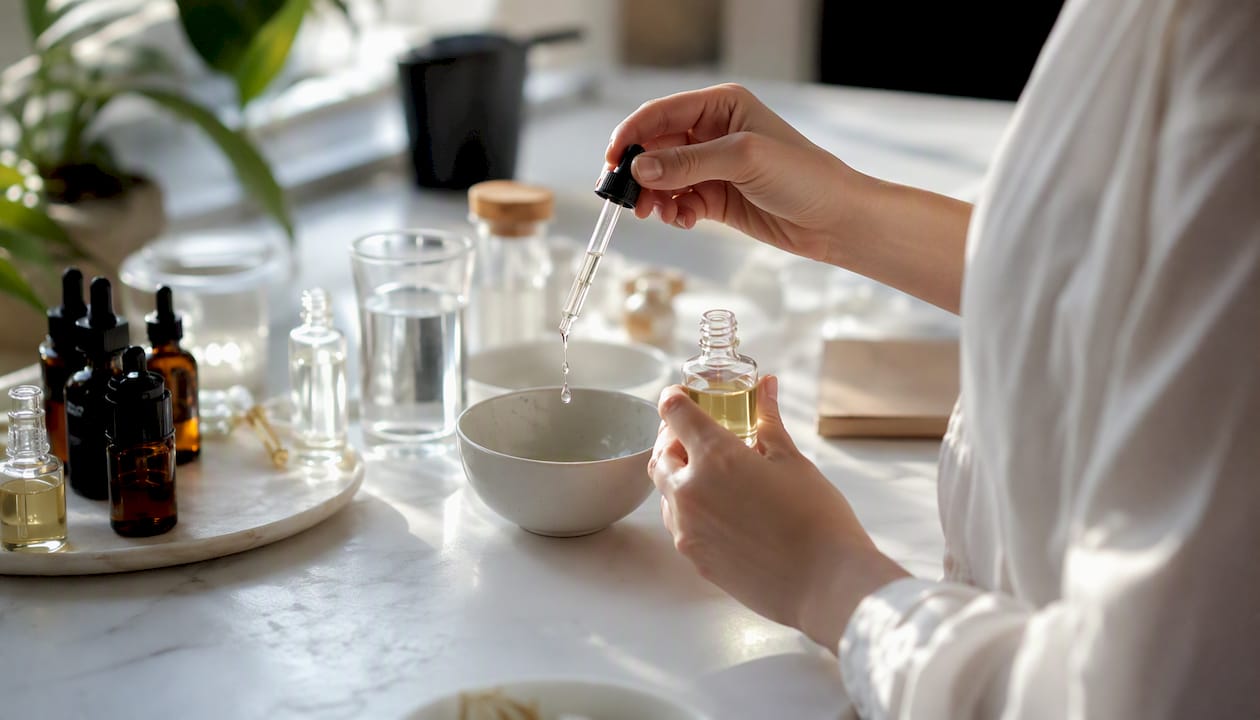
A phthalate free fragrance is any scented product formulated without phthalate esters, a class of synthetic plasticizers historically used to extend how long a scent lingers on skin. If you’re shopping for one right now, here’s where to start:
- Check the INCI list. Look for diethyl phthalate (DEP), dibutyl phthalate (DBP), or diethylhexyl phthalate (DEHP) in the ingredient declaration. Their absence is the baseline.
- Look for IFRA compliance. A brand that publishes its IFRA transparency category compliance has done more than just make a marketing claim.
- Choose brands with disclosed ingredients. Rosepetalglam’s fragrance-free and disclosed-ingredient products are a practical starting point for sensitive skin, available directly at Rosepetalglam.
Key Takeaways
Phthalate free fragrance means a product formulated without phthalate esters like DEP, DBP, or DEHP, and verifying that claim requires a published INCI list or third-party test, not just a label.
| Point | Details |
|---|---|
| What “phthalate-free” means | No phthalate esters (DEP, DBP, DEHP) in the formula; requires INCI disclosure or testing to verify. |
| Labeling gap to know | “Fragrance” or “parfum” can legally hide phthalates; ask for a full INCI list or GC-MS report. |
| Crafting vs. personal use | Fragrance oils for soap and candles need IFRA category compliance; finished perfumes are tested as-sold. |
| How to verify claims | Look for MADE SAFE, EWG Verified, or COSMOS certification, or a published GC-MS report from the brand. |
| Rosepetalglam option | The fragrance-free soap and body butter lines eliminate the phthalate question entirely for sensitive skin. |
Table of Contents
- What are phthalates and why do some people avoid them?
- How do makers use phthalates in fragrances, and why can a vague label hide them?
- What’s the difference between phthalate-free perfumes and fragrance oils for crafting?
- Which phthalate-free products are worth buying, and for what?
- How do you choose a genuinely phthalate-free fragrance?
- What do the science and regulators actually say about phthalates?
- Why ingredient transparency matters more than “clean” marketing
- Rosepetalglam’s fragrance-free line is a clean starting point
- Sources
- FAQ
What are phthalates and why do some people avoid them?
Phthalates are a family of synthetic chemical compounds used primarily as plasticizers and solvents. In fragrance formulation, they serve a specific purpose: they help dissolve fragrance compounds, act as fixatives to slow evaporation, and extend how long a scent stays detectable on skin or fabric. The most common fragrance-related phthalates you’ll encounter on an INCI list are:
- Diethyl phthalate (DEP): The most widely used in personal care fragrances; functions as a solvent and denaturant in alcohol-based products.
- Dibutyl phthalate (DBP): Used in some nail products and fragrances; restricted or banned in the EU for cosmetics.
- Di(2-ethylhexyl) phthalate (DEHP): More common in plastics and industrial applications, but historically present in some fragrance concentrates.
- Benzyl butyl phthalate (BBP) and diisobutyl phthalate (DIBP): Less common in personal fragrance but worth scanning for in craft fragrance oils.
The health concern centers on endocrine disruption. Peer-reviewed research on PubMed reports associations in some studies between phthalate exposure and endocrine or reproductive effects, though findings vary by compound, dose, and exposure scenario. The evidence is strongest for DBP and DEHP at higher exposure levels; DEP, the fragrance industry’s workhorse, sits in a more contested zone. No regulatory body has declared DEP in finished cosmetics an acute hazard at typical use levels, but the precautionary argument holds: why include it when alternatives exist?
Beyond personal health, phthalates are environmentally persistent. They accumulate in aquatic systems and have been detected in wastewater downstream from personal care product use. For consumers who think about their full environmental footprint, that persistence is a legitimate reason to prefer formulations built around alternative fixatives.
Key finding: Research summarized on PubMed links certain phthalates to endocrine and reproductive effects in animal and human studies, with results that vary significantly by compound and exposure level. Treat any single study as one data point, not a verdict.
How do makers use phthalates in fragrances, and why can a vague label hide them?
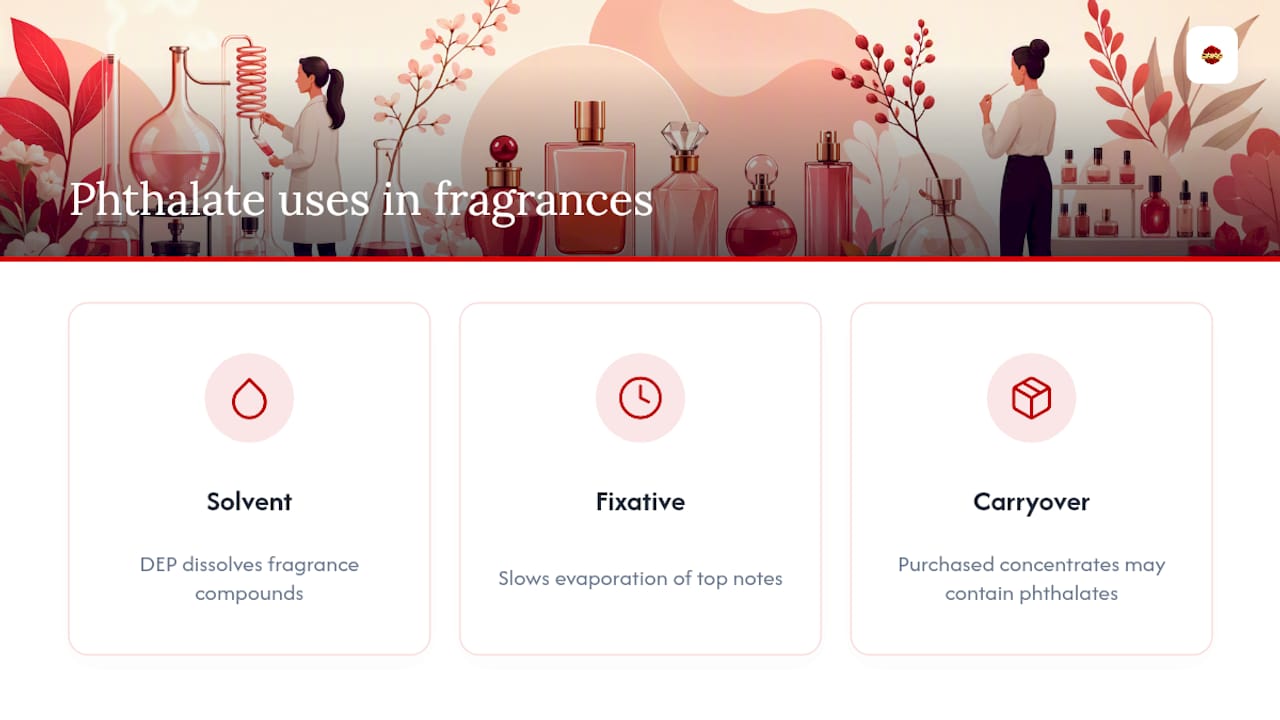
Phthalates enter a fragrance formula in three ways. First, as a solvent: DEP dissolves fragrance compounds that wouldn’t otherwise blend cleanly into an alcohol or water base. Second, as a fixative: they slow the evaporation of volatile top notes, which is why a DEP-containing perfume can smell like it lasts longer on skin. Third, as a processing carryover: some fragrance concentrates purchased by brands already contain phthalates, meaning the finished product manufacturer may not have added them directly but they’re still present.
The labeling problem is straightforward. Under current U.S. cosmetic regulations, a brand can list “fragrance” or “parfum” as a single ingredient, and that one word can legally represent dozens of individual chemical compounds, including DEP. The Campaign for Safe Cosmetics has documented this gap extensively, noting that “fragrance” functions as a trade-secret umbrella that shields individual ingredients from disclosure. The Fair Packaging and Labeling Act requires labels to be accurate and non-misleading, but it does not mandate that every fragrance component be named individually. A brand claiming “phthalate-free” on the front of a bottle is responsible for that claim’s accuracy under FTC standards, yet there is no federal requirement to prove it with a published test.
The practical gap: a product can say “phthalate-free” on the label and still contain trace phthalates from a purchased fragrance concentrate, unless the brand has specifically tested its finished formula.
Pro Tip: When scanning a product label, look for three things: (1) DEP spelled out in the INCI list, which signals it’s present; (2) “parfum” followed by named allergens or a full INCI breakdown, which signals transparency; and (3) a GC-MS (gas chromatography-mass spectrometry) report or third-party certificate available on request, which is the gold standard for verification.
What’s the difference between phthalate-free perfumes and fragrance oils for crafting?
These are two distinct product classes, and mixing them up creates real problems, especially for crafters.
Finished perfumes and body sprays are ready-to-wear products formulated at a specific dilution for direct skin contact. An eau de parfum typically contains a moderate amount of fragrance concentrate in an alcohol base; a clean body spray runs lighter. These products are tested as finished goods for skin safety, and IFRA compliance applies to the final formula at the concentration it’s sold.
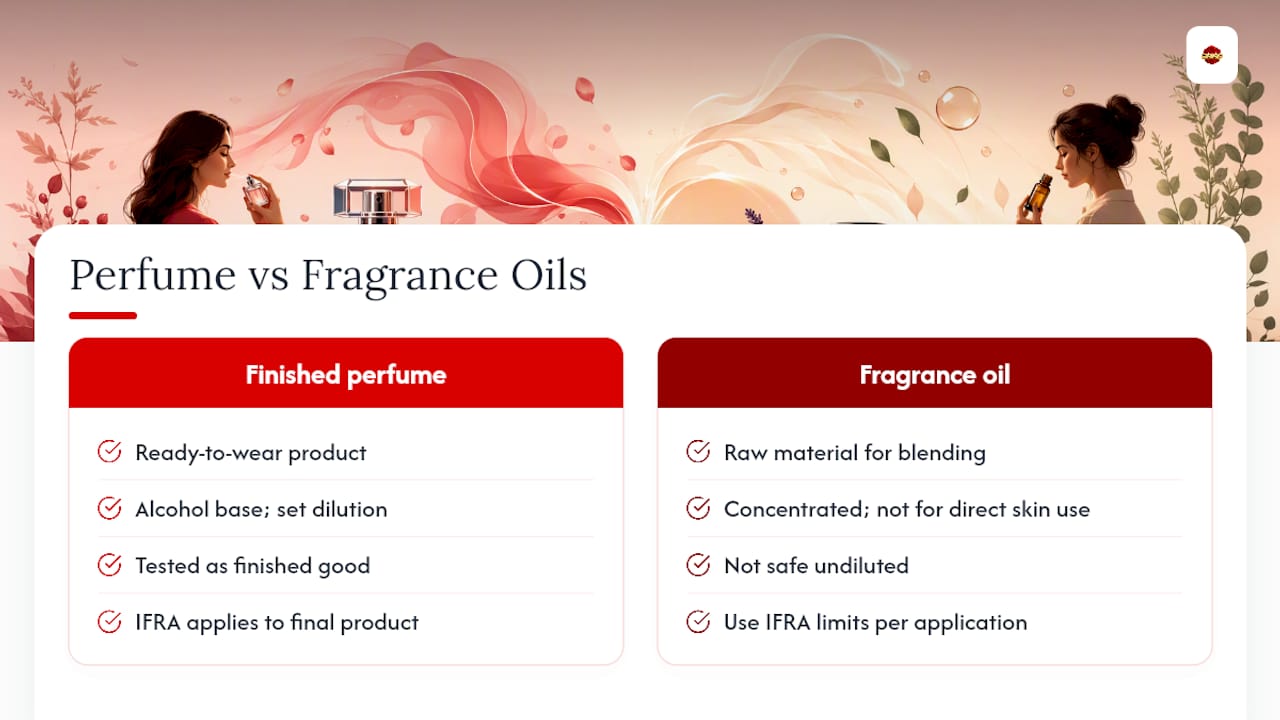
Concentrated fragrance oils are raw materials designed to be blended into a base, whether that’s soap, candle wax, lotion, or a diffuser blend. They are not safe to apply undiluted to skin. A fragrance oil labeled “phthalate-free” has had phthalate esters replaced with alternative solvents and fixatives, but it still needs to be used within IFRA category limits appropriate for its end application.
Soap-safe is a specific designation crafters should look for. Not all fragrance oils behave well in cold process soap: some accelerate trace (causing the batter to seize), some discolor, and some contain components that are not skin-safe at soap usage rates. Reputable fragrance oil suppliers like Stock Fragrance test and label their oils for soap compatibility and publish recommended usage rates by application type.
Soap-safe warning: Never use a finished perfume or eau de parfum in cold process soap. The alcohol base disrupts saponification, and the fragrance concentration is not calibrated for soap usage rates. Always use a fragrance oil with a published soap-safe rating and follow the supplier’s recommended maximum usage rate.
Which phthalate-free products are worth buying, and for what?
The brands below are organized by use case. Each has a specific reason it earns a mention beyond a generic “phthalate-free” claim.
Everyday personal fragrance
- Abel Fragrance publishes its full ingredient list and explains how DEP has historically been used as a wear-extender, then shows exactly what they use instead. That level of transparency is rare in the perfume category.
- Henry Rose holds MADE SAFE certification, which requires ingredient disclosure beyond what FDA mandates. It’s one of the few fine fragrance lines where you can actually verify the phthalate-free claim against a published standard.
- Phlur discloses its fragrance ingredients voluntarily and has built its brand around the idea that you shouldn’t have to guess what’s in your perfume.
- Ellis Brooklyn publishes its fragrance ingredients and holds EWG Verified status on several products, adding a third-party layer to its clean claims.
Sensitive skin formulations
- Maison Louis Marie uses natural and nature-identical ingredients and publishes its fragrance components. Its No.04 Bois de Balincourt has become a reference point for what a transparent, skin-friendly perfume oil can be.
- Lavanila markets specifically to sensitive skin and uses a “healthy fragrance” framework built around natural ingredients. Its INCI lists are publicly available.
- By Rosie Jane discloses fragrance ingredients and positions its line around clean, skin-safe formulations. Worth considering for anyone who reacts to conventional perfume alcohol bases.
- Rosepetalglam takes a different approach entirely: its fragrance-free tallow soap and fragrance-free body butter eliminate the fragrance question altogether. For readers with reactive skin who want to skip the ingredient-scanning exercise, starting with a genuinely unscented product made from grass-fed tallow and jojoba is the cleanest path. Check the natural ingredients guide for context on why those base ingredients matter.
Crafting, candles, and soap
- Midwest Fragrance Co. specifically labels its fragrance oils for soap, candle, and lotion compatibility and publishes phthalate-free status alongside IFRA compliance sheets. For crafters who need to know usage rates by application, that combination of data is exactly what you want from a supplier.
- For niche and specialty fragrance oils with detailed product information, vendors like OudHaven demonstrate how international fragrance retailers present ingredient and compliance data, which is useful context when evaluating any supplier’s transparency practices.
Trust signals to look for next to any recommendation: a full INCI list, a GC-MS report available on request, published IFRA category compliance, and a clear brand statement that names phthalates specifically rather than using a generic “clean” label.
How do you choose a genuinely phthalate-free fragrance?
A checklist works better than intuition here, because “clean” is a marketing word with no legal definition.
What to confirm before buying:
- Full INCI list published on the product page or available on request
- Phthalates named and excluded specifically (not just “free from harsh chemicals”)
- IFRA category compliance stated for the relevant product type
- Third-party testing, GC-MS report, or recognized certification (MADE SAFE, EWG Verified, COSMOS)
- Brand statement that distinguishes between their finished product and their fragrance concentrate sourcing
Red flags:
- “Fragrance” or “parfum” with no further disclosure and no response when you ask for the INCI
- “Clean” or “natural” labeling with no standard cited or certification backing it
- No IFRA category guidance on a fragrance oil sold for crafting
- Unusually low price on a fragrance oil with no supplier transparency data, which often signals opacity in sourcing or testing
Pro Tip: Patch-test any new scented product, even one labeled phthalate-free. Apply a small amount to the inside of your wrist or elbow crease, leave it unwashed for 48–72 hours, and note any redness, itching, or irritation. Keep a simple log: product name, date, application site, and reaction. This matters because phthalate-free doesn’t mean allergen-free, and individual sensitivities vary regardless of what a formula excludes.
What do the science and regulators actually say about phthalates?
The scientific picture is more nuanced than either “totally safe” or “definitely dangerous.” Here’s what the credible sources actually say:
- PubMed-indexed research reports associations between phthalate exposure and endocrine disruption, particularly for DBP and DEHP, in animal studies and some human epidemiological data. The published findings are hedged: effect sizes vary by compound, exposure route, and population. DEP, the fragrance-specific phthalate, has a weaker evidence base for harm at cosmetic use levels, but precautionary avoidance is a reasonable consumer choice.
- IFRA sets usage limits by product category, not by a blanket ban. Its transparency list distinguishes between industry guidance and legal mandates. IFRA compliance means a perfumer has formulated within recognized safety margins for a specific application, but IFRA is a trade body, not a regulatory agency. Its standards are voluntary.
- U.S. regulatory context: The FDA does not require cosmetic brands to disclose individual fragrance ingredients. The Fair Packaging and Labeling Act holds brands accountable for accurate, non-misleading claims, which means a “phthalate-free” label creates legal exposure if the product contains phthalates, but it does not require pre-market testing or disclosure to prove the claim.
- Campaign for Safe Cosmetics recommends that consumers ask brands for full ingredient disclosure and any available lab testing results, noting that brands publishing GC-MS or third-party assays provide meaningfully higher consumer confidence than those relying on self-declaration alone.
The bottom line from regulators and researchers: some phthalates carry credible concern at sufficient exposure levels, the “fragrance” label creates a real disclosure gap, and the strongest consumer protection is ingredient transparency backed by testing, not marketing language.
Regulatory note: IFRA limits are industry guidance, not law. A product can be IFRA-compliant and still contain DEP. Compliance tells you the concentration is within a recognized safety margin; it does not tell you the ingredient is absent.
Why ingredient transparency matters more than “clean” marketing
The fragrance industry’s “clean” movement has done something genuinely useful: it pushed brands to think harder about what goes into a formula. But it also created a category where the word “clean” means whatever the brand decides it means, which is sometimes a lot and sometimes almost nothing.
The brands that have actually moved the needle on consumer trust are the ones that publish their INCI lists without being asked, make GC-MS reports available, and name the specific ingredients they exclude rather than hiding behind a vague “free from” claim. That’s a higher bar than most brands clear, and it’s the bar worth holding them to.
Rosepetalglam’s approach is different from a conventional fragrance brand’s, and deliberately so. The fragrance-free product line sidesteps the disclosure problem entirely: no fragrance means no phthalate question. For readers who want a scented option, the Porcelain Petals body spray is worth checking for ingredient disclosure. And for anyone who wants to dig into why the base ingredients matter as much as what’s excluded, the natural ingredients guide is a useful read.
If you have questions about a specific product’s ingredient list or want to know more about how Rosepetalglam formulates its small-batch products, reach out directly. Brands that welcome those questions are the ones worth buying from.
Rosepetalglam’s fragrance-free line is a clean starting point
If you’ve read this far, you know that verifying a “phthalate-free” claim takes work: checking INCI lists, asking for GC-MS reports, confirming IFRA category compliance. Rosepetalglam’s fragrance-free products skip that entire verification loop. No fragrance ingredient means no phthalate risk, no hidden “parfum” entry, and no guesswork about what’s actually on your skin.
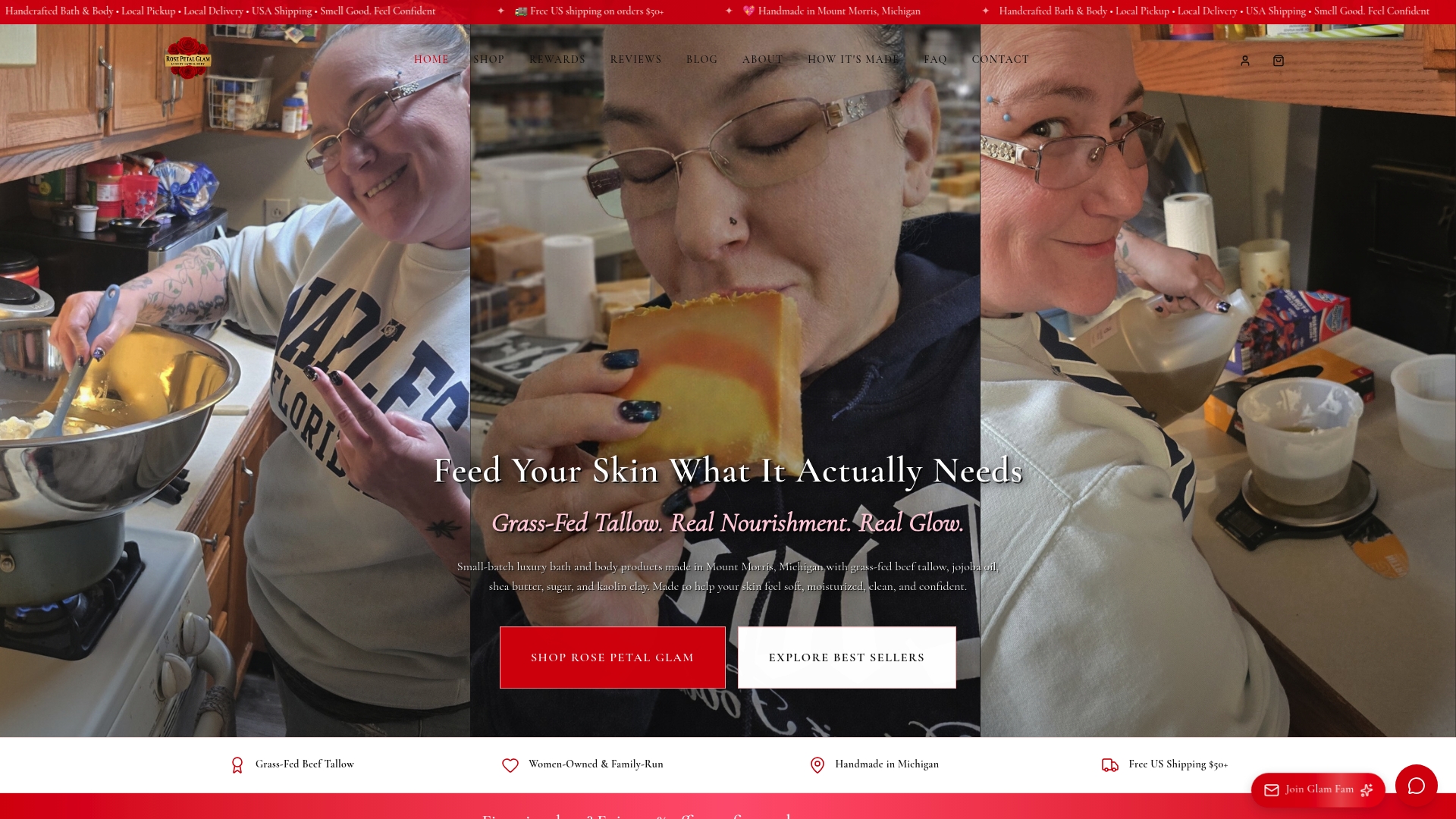
The Gentle Clean fragrance-free tallow soap is made with grass-fed beef tallow, jojoba oil, and kaolin clay in small batches in Mount Morris, Michigan. The fragrance-free whipped body butter uses the same ingredient philosophy for daily moisture. Both are built for sensitive skin and both tell you exactly what’s in them. Browse the full handcrafted soap collection to find the right fit, and patch-test any new product for 48–72 hours before full use.
Sources
FAQ
What does “phthalate-free fragrance” mean?
A phthalate-free fragrance contains no phthalate esters, such as DEP, DBP, or DEHP, which are synthetic compounds historically used as solvents and fixatives in scented products. Verifying the claim requires a published INCI list or third-party lab report, not just a front-label declaration.
Which perfumes are phthalate-free?
Brands including Henry Rose (MADE SAFE certified), Ellis Brooklyn (EWG Verified), Abel Fragrance, and Phlur publish their fragrance ingredients and explicitly exclude phthalates. Rosepetalglam’s fragrance-free product line eliminates the question entirely by containing no fragrance ingredients at all.
Which fragrances contain phthalates?
Any product listing “diethyl phthalate (DEP)” in its INCI contains a phthalate. Products listing only “fragrance” or “parfum” with no further disclosure may contain phthalates without stating so, since U.S. regulations do not require individual fragrance components to be named on a cosmetic label.
Are phthalates actually harmful in perfumes?
Research published on PubMed links certain phthalates, particularly DBP and DEHP, to endocrine and reproductive effects in some studies, though findings vary by compound and exposure level. DEP, the most common fragrance phthalate, has a less definitive evidence base at typical cosmetic use levels, but many consumers and brands choose to avoid the entire class as a precaution.
How do I know if a “phthalate-free” claim is real?
Ask the brand for its full INCI list and any available GC-MS or third-party test results. Recognized certifications like MADE SAFE or EWG Verified add an independent verification layer. A brand that can’t or won’t provide this information when asked is a red flag regardless of what the label says.