6 Handcrafted Body Sprays for Sensitive Skin, Rose Petal Glam Picks
Published 2026-08-28 by Rose Petal Glam

The best overall body spray is Salt & Stone’s Neroli & Basil Body Fragrance Mist, thanks to its fresh, herbaceous profile and skin-conditioning glycerin. If you want something gentler on sensitive skin, look at hydrating formulas built around aloe or glycerin instead of high alcohol content. Budget shoppers do fine with affordable drugstore body sprays, and anyone who wants one scent for everyone should start with a unisex low-alcohol mist. Try the top pick first, then branch out by scent family.
TL;DR:
- Hydrating formulas with glycerin, aloe, or red algae are better suited for sensitive or dry skin than high-alcohol mists.
- Performance sprays like OffCourt prioritize odor control over scent complexity, making them ideal after workouts.
- Price points influence formulation, with under $15 mists being simple and shorter-lasting, while prestige brands focus on refined scents in smaller bottles.
- Choosing a scent family aligned with your occasion and skin type enhances wear and overall satisfaction.
- Check ingredient lists for humectants versus alcohol and avoid vague labeling to prevent skin irritation or disappointing performance.
Table of Contents
- Top Picks for the Best Body Spray Right Now
- How Were These Body Sprays Picks Chosen?
- How Do You Choose the Right Body Spray?
- What Are the Main Body Spray Scent Families?
- Which Ingredients Matter for Sensitive Skin?
- What Do Body Spray Prices Actually Get You?
- How Should You Match a Body Spray to Skin Type and Occasion?
- What Ingredients Commonly Cause Skin Irritation?
- Does Brand Reputation Matter When Buying a Body Spray?
- How Long Do Body Sprays Last in Storage?
- A Personal Note on Scent Testing
- Try Rose Petal Glam’s Handcrafted Body Sprays
- Sources
- FAQ
Top Picks for the Best Body Spray Right Now
Nobody wants to smell twenty testers before finding the one. Here’s a shortlist built around real use cases, from the fresh-scented all-rounder to the sweaty gym bag survivor.
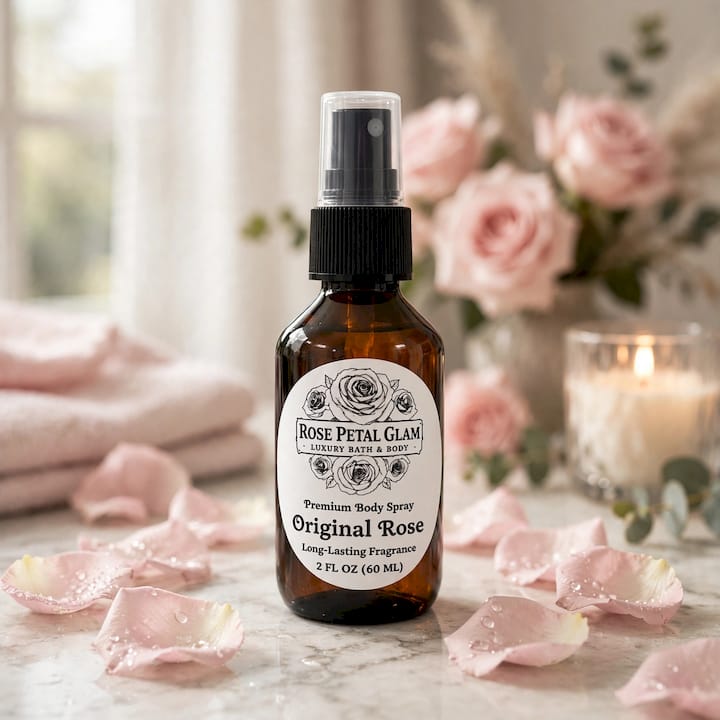
Best overall: Salt & Stone Neroli & Basil Body Fragrance Mist. Multiple editors point to this one as a rare mist that smells expensive and treats skin well at the same time, pairing citrus neroli with grounding basil while glycerin and red algae add real skin-conditioning benefit. It sits in the mid-range price tier, right where a lot of shoppers want to land: not cheap enough to worry about the formula, not so pricey it feels wasteful for daily use.
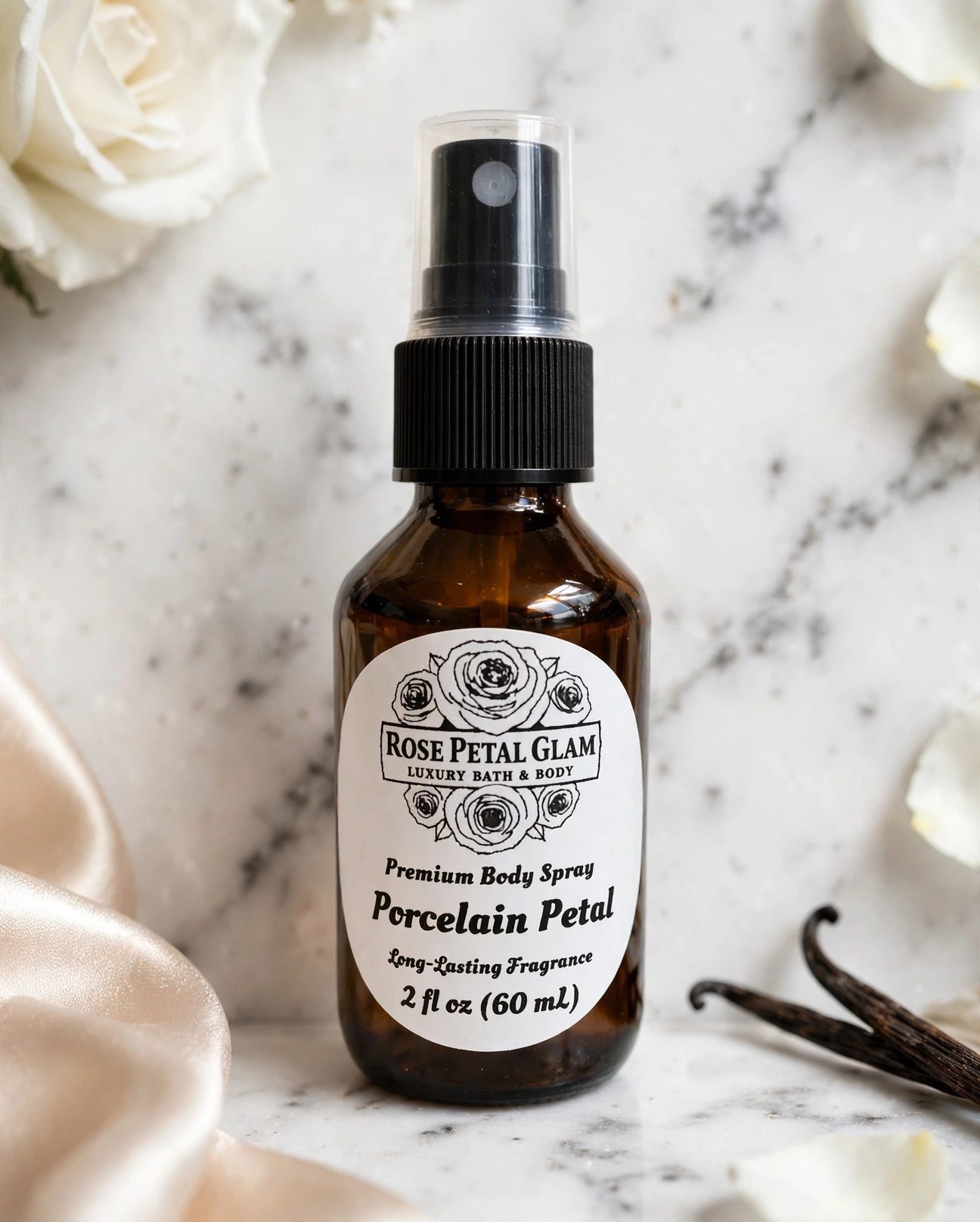
Best budget pick: any drugstore fragrance mist under $15. Budget sprays trade refinement for accessibility. You won’t get niche perfumery notes, but you will get a wearable scent for the price of a coffee run. Reach for these when you want a light refresh between showers, not a signature scent.
Best long-lasting: performance-focused sprays built for post-workout use. GQ’s testing found that functional sprays like OffCourt Performance prioritize odor control over pure fragrance complexity, often using targeted anti-odor actives rather than relying on fragrance oil concentration alone. These aren’t meant to compete with your cologne. They’re meant to survive a workout.
Best hydrating pick: a mist formulated with glycerin, aloe, or red algae. If your skin gets tight or flaky after spraying, the fix is usually the base formula, not the scent. Byrdie’s testing panel called out hydrating mists specifically for combining fragrance with genuine skin-conditioning ingredients, which matters more in dry winter months than most people realize.
Best unisex pick: a low-alcohol, clean-scented mist without heavy gender marketing. Fresh, powdery, and light woody scents tend to cross gender lines more easily than sweet gourmand or heavy musk profiles. If you’re shopping for a household where two or three people might grab the same bottle, this is the category to browse.
Best splurge: prestige mists from designer fragrance houses. Prestige body mists from brands like Tom Ford, Diptyque, and Byredo often deliver perfume-adjacent scent profiles, just at a lower concentration and in smaller glass bottles than their full perfume counterparts. You’re paying for the nose behind the blend, not necessarily for more spray.
- Best overall: Salt & Stone Neroli & Basil, fresh and skin-conditioning, mid-range price
- Best budget: Drugstore fragrance mists under $15, wearable and low-risk
- Best long-lasting: Performance sprays like OffCourt, built for odor control
- Best hydrating: Aloe or glycerin-based mists for sensitive or dry skin
- Best unisex: Fresh or powdery low-alcohol mists with neutral marketing
- Best splurge: Designer mists from Tom Ford, Diptyque, or Byredo
How Were These Body Sprays Picks Chosen?
Every pick above comes from aggregated editorial testing rather than a single blind trial. The selection leaned on criteria used consistently across major beauty and grooming publications:
- Lasting power on skin over a full day, not just the first hour after application.
- Notes and scent family balance, favoring sprays that don’t collapse into a single overpowering note.
- Skin-friendliness, meaning the formula includes hydrating actives rather than relying purely on alcohol and fragrance oil.
- Price relative to bottle size, since a $12 mist and a $65 mist should deliver different things.
- Formula benefits beyond scent, such as odor control for active use or conditioning ingredients for dry skin.
Byrdie’s own roundup criteria emphasize almost the identical mix: lasting power, affordability, and ingredient-driven benefits. Scent is deeply personal, though, and no roundup can account for your particular skin chemistry or nose. Treat any “best” list, including this one, as a shortlist to sample, not a verdict to follow blindly.
How Do You Choose the Right Body Spray?
Five factors decide whether a body spray earns a permanent spot in your routine: scent family, longevity, formulation, occasion, and portability. Get the first two wrong and you’ll end up with a bottle you never finish.
Start with scent family, because it decides whether you’ll actually enjoy wearing it daily. Longevity matters next: a mist built for a quick refresh behaves differently than one meant to carry you through an eight-hour day. Formulation is where skin type comes in. Occasion determines whether you want something loud enough for a night out or subtle enough for the office. Portability is about the bottle itself; a heavy glass splurge bottle doesn’t belong in a gym bag.
Before buying, ask a few concrete questions:
- Does the ingredient list show a humectant like glycerin, aloe, or hyaluronic acid, or does alcohol sit at the top?
- Is the scent described by note (bergamot, sandalwood, vanilla) or only by vague marketing language (“fresh,” “clean”)?
- Does the brand disclose fragrance oil concentration, or does it dodge the question entirely?
- Is there a travel or sample size available before you commit to a full bottle?
Watch for a few red flags. High denatured alcohol listed as the second or third ingredient usually means a drying formula, especially rough on skin already prone to tightness. Unverifiable “72-hour” or “all-day” longevity claims with no independent testing backing them are marketing, not fact. Vague “clean” or “natural” labeling with no ingredient transparency is a sign to read the fine print twice.
Pro Tip: Spray body mist on damp skin right after a shower, when pores are open and the scent has something to cling to. Layering a matching or complementary lotion underneath extends wear time far more than reapplying spray throughout the day.
What Are the Main Body Spray Scent Families?
Scent families give you shorthand for what a spray will actually smell like before you buy it, and most shoppers gravitate toward one or two consistently.
- Fresh: citrus, aquatic, or green notes like bergamot and cucumber. Light, short-lived, best for daytime and warm weather.
- Floral: rose, jasmine, or peony notes. Moderate longevity, versatile across seasons, a natural fit for daytime-to-evening transitions.
- Gourmand: vanilla, caramel, or coffee notes. Warm and often longer-wearing on skin, best suited to fall and winter.
- Woody: sandalwood, cedar, or vetiver. Grounding and typically unisex, works well layered under a lighter top note.
- Fruity: berry, peach, or coconut notes. Sweet and youthful, best for casual daytime wear rather than formal occasions.
- Powdery: iris, musk, or violet. Soft and skin-close, a good choice for office settings where you don’t want to project scent across a room.
Fresh and fruity families tend to fade fastest since their top notes are volatile; gourmand and woody notes usually linger longest because they lean on heavier molecules. A safe layering move is pairing a fresh body spray with a woody or musk-based perfume underneath, since the mist adds brightness without fighting the base. Avoid layering two gourmand products together (a vanilla body spray under a caramel perfume, for instance), which tends to read as one muddy, overly sweet cloud rather than a complex scent.
Which Ingredients Matter for Sensitive Skin?
Alcohol is the ingredient most likely to cause dryness or irritation in a body spray, especially denatured alcohol used as a cheap fragrance carrier. Humectants like glycerin and aloe work in the opposite direction, pulling moisture toward skin instead of stripping it away. That’s why hydrating mists built around glycerin, red algae, or aloe tend to feel noticeably gentler over repeated daily use, particularly through dry winter months.
Marketing terms deserve a skeptical eye. “Clean,” “natural,” and “non-toxic” have no regulated definition in the fragrance industry, so they mean whatever the brand decides they mean. The only way to actually check is reading the ingredient list itself:
- Look for glycerin, aloe vera, or hyaluronic acid near the top of the list, not buried at the bottom.
- Check whether alcohol denat. appears in the first few ingredients, which suggests a drying, fragrance-forward formula.
- Skip anything vague about fragrance oil concentration if you have a known sensitivity.
Always patch test a new spray on your inner arm before applying it broadly, and wait 24 hours to check for redness or irritation. Rose Petal Glam’s guide to natural ingredients for sensitive skin covers this in more depth if you’re building a full sensitive-skin routine, and this guide to skin hydration is worth a read if you want to understand why hydrating actives behave differently than plain moisturizers.
What Do Body Spray Prices Actually Get You?
Body sprays generally fall into three price bands, and each one buys you something slightly different, not just “more” of the same thing.
- Budget (under $15): Drugstore mists in 8 to 10 ounce bottles. Simple, wearable scents with shorter longevity and usually higher alcohol content.
- Midrange ($15 to $35): Better-formulated mists, often with hydrating additives and more complex, layered scent profiles. This tier is where value tends to concentrate.
- Splurge ($35 and up): Designer or niche mists in smaller glass bottles, often 3 to 6 ounces, prioritizing scent refinement over volume.
Bottle size matters as much as price. A vanity-sized bottle sitting on your dresser can afford to be heavier and larger; a travel size needs to survive a gym bag or carry-on without leaking. Two quick tips: buy refillable bottles when a brand offers them, since fragrance products generate a surprising amount of glass and plastic waste, and always check a retailer’s return policy on scent before committing to a full-size bottle you’ve never smelled in person.
How Should You Match a Body Spray to Skin Type and Occasion?
Dry skin holds fragrance less effectively than oily skin, since oil acts as a natural fixative that slows how quickly scent molecules evaporate. If your skin runs dry, choose a mist with glycerin or aloe built in, and consider layering it over an unscented lotion first so the fragrance has something to cling to.
Occasion changes the math too. Daytime and office settings call for lighter families: fresh, powdery, or subtle floral scents that won’t overwhelm a small room. Evening or cold-weather occasions can handle gourmand or woody sprays, since colder air and looser social settings both give heavier scents room to breathe without becoming cloying. Active use, whether that’s a gym session or a hot commute, calls for a performance-focused spray built around odor control rather than a delicate fragrance profile that will just get overwhelmed by sweat.
A simple rule: match spray weight to room size and season. Light scents for small, warm, or formal spaces; heavier scents for open, cool, or casual ones. And if you’re testing on skin versus clothes, know that scent throw and longevity behave differently on fabric than on skin, so a spray that seems faint on your wrist might project much further once it’s on a cotton shirt.
What Ingredients Commonly Cause Skin Irritation?
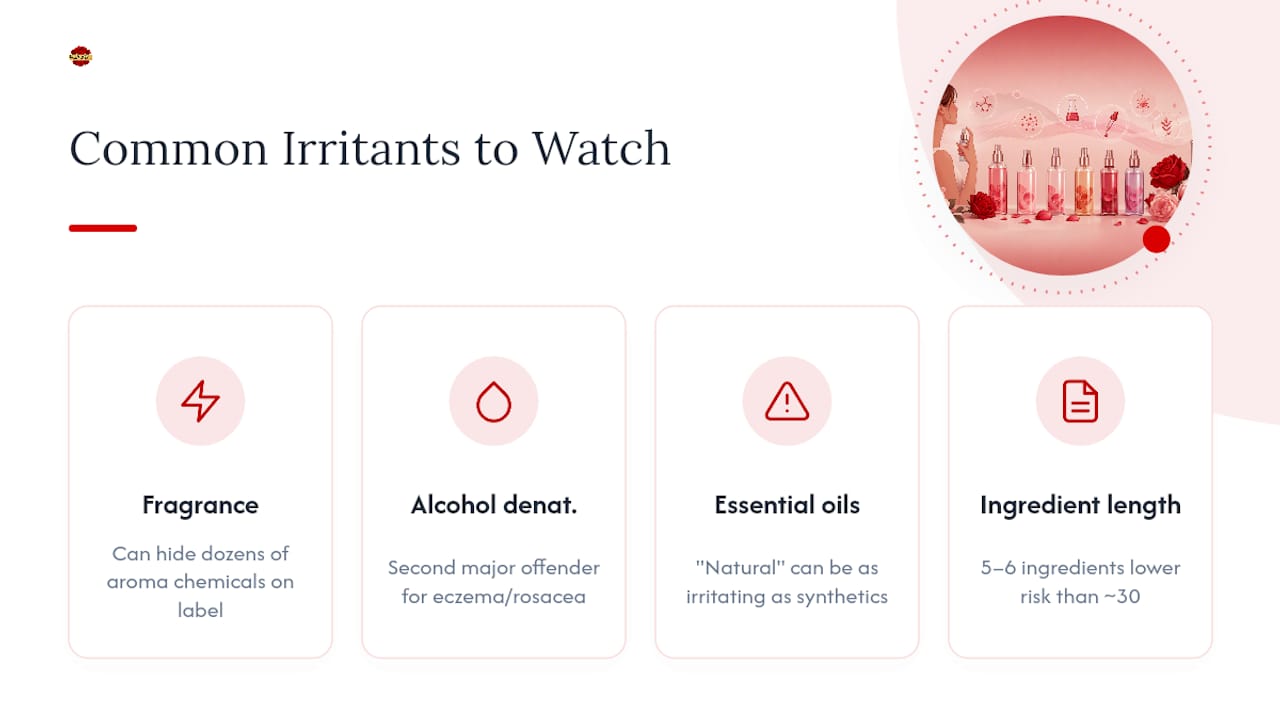
Fragrance itself is the most common irritant in body sprays, since “fragrance” or “parfum” on a label can legally hide dozens of individual aroma chemicals without disclosing each one. Alcohol denat. is the second major offender, particularly for anyone with eczema, rosacea, or generally reactive skin. Essential oils marketed as “natural” can be just as irritating as synthetic fragrance for sensitive skin, since natural doesn’t automatically mean hypoallergenic.
A few practical safeguards cut the risk substantially. Patch test any new spray on the inside of your elbow and wait a full day before applying it more broadly. Avoid spraying directly onto broken skin, freshly shaved areas, or skin that’s already irritated from sun exposure. If you notice a pattern of reactions across multiple fragranced products, look specifically for fragrance-free formulas rather than assuming one brand’s version will be gentler than another’s.
People with known sensitivities do best sticking to shorter ingredient lists overall. A spray with five or six recognizable ingredients gives you far less to react to than one with thirty. If you’ve had reactions before, fragrance-free skincare paired with a very light, occasional mist tends to be the safer long-term approach than hunting for the “gentlest” scented option on the market.
Does Brand Reputation Matter When Buying a Body Spray?
Brand reputation is a reasonable shortcut, but it’s not a guarantee that a specific product will suit your skin or nose. A well-reviewed brand overall can still put out one mediocre scent, and a smaller or lesser-known brand can produce something excellent that just hasn’t reached wide editorial coverage yet.
What actually matters is consistency across specific products, not brand size. Look at review patterns for the exact item you’re considering: repeated complaints about scent fading within an hour, or repeated praise for how it wears through a full workday, tell you more than star ratings alone. Verified purchase reviews on retailer sites tend to be more reliable than a brand’s own curated testimonials, since they include the disappointed customers too.
Small-batch and handcrafted brands carry a different kind of trust signal than mass-market ones. Because they produce in smaller runs, they can react to ingredient quality and skin feedback faster than a brand manufacturing hundreds of thousands of units at once. That’s worth factoring in if you’ve had trouble finding a mass-market spray that doesn’t dry out your skin.
How Long Do Body Sprays Last in Storage?
Most body sprays hold their scent and formula integrity for about two to three years unopened, and roughly one to two years once opened and exposed to air. Fragrance molecules break down gradually with light and heat exposure, which is why a bottle left on a sunny windowsill fades faster than one stored in a drawer.
Store body sprays away from direct sunlight and away from bathroom humidity if possible, since heat speeds up the breakdown of both fragrance oils and any hydrating actives like aloe or glycerin. A bedroom dresser or closet shelf is a better long-term home than a steamy shower caddy.
Signs a body spray has gone off include a noticeably weaker scent throw, a sour or “off” smell layered under the original fragrance, or visible separation in the liquid. None of these are dangerous to use, but they mean you’re not getting the scent experience you paid for anymore. If a bottle has sat unused for over three years, do a quick sniff test on a cotton pad before spraying it on skin.
A Personal Note on Scent Testing
Fresh, herbaceous scents are what we reach for first when testing new blends, the kind that read clean without tipping into sterile. Small test batches reveal things a big production run never would: how a scent shifts after four hours on skin, how it behaves layered under a lotion versus on bare skin, how differently it reads on dry skin compared to oily skin. That variability is exactly why Rose Petal Glam builds body sprays in small batches with nourishing bases rather than chasing one mass-market formula that has to work for everyone equally. A scent that performs consistently across different skin types, in our experience, usually comes from paying attention to the base formula as closely as the fragrance blend on top of it.
— Brent
Try Rose Petal Glam’s Handcrafted Body Sprays
Every buying criterion in this guide points toward the same conclusion: skin-conditioning ingredients and honest formulas beat vague “clean” marketing claims every time. Rose Petal Glam builds its body sprays around that principle directly, using small-batch formulas with nourishing bases instead of the alcohol-heavy shortcuts common in mass-market mists.

The BRO’S Fresh Gentleman body spray gives you a balanced, unisex-friendly scent that works whether you’re layering it under cologne or wearing it solo. Porcelain Petals leans floral and soft, a good pick if powdery or rose-adjacent notes are your usual lane. Halo Vanilla covers the gourmand side of the scent wheel with warm vanilla, best suited to cooler months or evening wear.
If sensitive skin has kept you from committing to a body spray at all, browse the full tallow skincare collection to see how Rose Petal Glam approaches nourishing formulas across soap, body butter, and spray alike. Pick a scent, add it to your cart, and see how it wears through your own day, not just a store tester strip.
Sources
- The 8 Best Body Mists of 2026, Tested by a Beauty Editor — Byrdie
- 7 Best Body Spray for Men of 2026 | GQ
- 9 Best Body Mists That’ll Make You Smell Good From Head to Toe — Allure
FAQ
What Is the Best Brand of Body Spray?
No single brand wins across every category. Salt & Stone earns top marks for hydrating, fresh-scented mists, while performance brands like OffCourt lead for odor control, and small-batch brands like Rose Petal Glam stand out for skin-nourishing, handcrafted formulas.
What Is the Best All-Over Body Spray?
The best all-over sprays use a light, low-alcohol formula that won’t overwhelm large areas of skin, typically in the fresh or powdery scent families. Hydrating mists with glycerin or aloe are gentler for full-body application than heavily alcohol-based sprays.
What Is a Nice-Smelling Body Spray?
A “nice-smelling” spray is genuinely subjective, but fresh, herbaceous blends like neroli and basil consistently rank among editors’ top picks for wide appeal, and floral or light gourmand scents tend to please the broadest range of noses.
Is Body Mist or Body Spray Better?
Body mist and body spray are largely the same product category with different marketing names, though mists usually carry lower fragrance oil concentration than perfume, meaning shorter longevity and a need for more frequent reapplication or layering.