Beef Tallow for Skin: What It Does and Who Should Skip It
Published 2026-08-18 by Rose Petal Glam
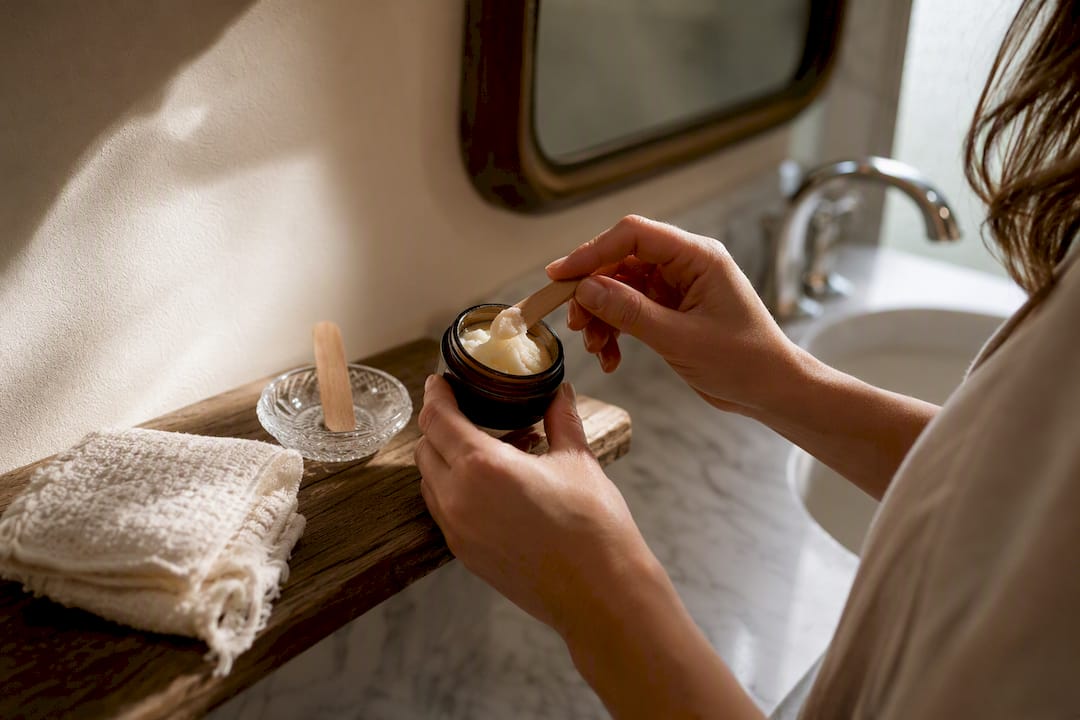
Beef tallow works as a moisturizer for very dry, thickened, or barrier-compromised skin, but it isn’t a fit for acne-prone, oily, or reactive complexions, and the clinical evidence behind it is still thin. If you want to try it, do three things first: patch test on your inner arm for 48 hours, apply to your body before your face, and choose a fragrance-free, grass-fed product over a scented or heavily processed one.
That verdict lines up with what Cleveland Clinic and Scripps Health both say publicly: tallow contains real fatty acids and trace vitamins, but there’s no large body of research proving specific skin outcomes, and dermatologists worry about its pore-clogging potential for certain skin types.
Here’s the fast version, if you’re deciding whether to keep reading or just go test a product:
- Patch test first. A pea-sized amount on your forearm, left alone for 24 to 48 hours, tells you more than any product description will.
- Start on your body, not your face. Elbows, heels, and hands are far more forgiving than cheeks and foreheads.
- Pick fragrance-free and grass-fed. Fewer additives means fewer variables if your skin reacts, and grass-fed sourcing tends to carry a cleaner fatty-acid profile.
Rose Petal Glam makes small-batch tallow soaps and balms specifically built around that fragrance-free, grass-fed standard, which makes them a reasonable starting point if you’re testing the waters rather than committing to a full routine.
Key Takeaways
Beef tallow works as an occlusive moisturizer for very dry or barrier-depleted skin, but it carries real pore-clogging risk for acne-prone or reactive skin, so a patch test and grass-fed, fragrance-free sourcing matter more than any marketing claim.
| Point | Details |
|---|---|
| Verdict is conditional | Tallow helps very dry, thickened skin but isn’t right for acne-prone, oily, or rosacea-affected skin. |
| Evidence is limited | Clinical research on tallow’s topical benefits and vitamin absorption remains thin, per Cleveland Clinic. |
| Patch test before facial use | Apply to your forearm for 24 to 48 hours before trying anywhere near your face. |
| Sourcing and processing matter | Grass-fed, fragrance-free, and clearly labeled products reduce unknowns and irritation risk. |
| Rose Petal Glam offers a vetted starting point | Its small-batch, grass-fed tallow skincare collection includes fragrance-free options built for safe testing. |
Table of Contents
- What Is Tallow for Skin, and How Is It Made?
- What’s in Tallow, and Why Do People Use It on Skin?
- Is Tallow Really Good for Your Skin, According to Dermatologists?
- Which Skin Types Benefit From Tallow, and Which Should Avoid It?
- How to Use Tallow for Skin Without Triggering a Breakout
- How to Choose a Quality Tallow Product
- DIY Tallow Balm vs. Ready-Made: Which Should You Choose?
- How Rose Petal Glam Sources and Makes Its Tallow Products
- Why We Use Grass-Fed Tallow, in Brent’s Words
- Where to Find Safe, Vetted Tallow Products to Try
- Sources
- FAQ
What Is Tallow for Skin, and How Is It Made?
Tallow is rendered animal fat, most commonly from beef suet, melted down slowly until the solids separate from the liquid fat and any impurities settle out. What’s left after cooling is a firm, off-white substance that’s been used in soap and salves for centuries, long before synthetic moisturizers existed.
The rendering process matters more than most shoppers realize. Fat gets heated gently (never boiled hard, which scorches it and creates odor), strained through cheesecloth, and cooled into blocks. From there, producers either leave it unrefined, which keeps more of the natural compounds but also more variability, or refine it further to strip out remaining proteins and odor.
Common label terms worth knowing:
- Rendered means the fat has been melted and separated from other tissue. This is the base step every tallow product starts with.
- Unrefined tallow keeps trace compounds intact but can carry a faint animal scent and slightly less consistent texture batch to batch.
- Refined tallow goes through additional filtering, usually with heat and sometimes bleaching clay, to produce a neutral-smelling, longer-shelf-life product.
- Hydrogenated tallow has been chemically altered to change its melting point and stability, which is common in industrial food and soap manufacturing but generally undesirable in a natural skincare product.
There’s also a real difference between soap-grade and culinary tallow. Culinary tallow is rendered for cooking and doesn’t need to meet the same purity standard as tallow going onto your skin. Soap-grade and skincare-grade tallow, by contrast, should come from a source that tracks feed, processing temperature, and storage conditions closely, because anything sitting on your skin for hours behaves differently than something you fry an egg in.
What’s in Tallow, and Why Do People Use It on Skin?
Tallow is mostly saturated and monounsaturated fat, and three fatty acids do most of the work: stearic acid, oleic acid, and palmitic acid. Each one plays a distinct role when it sits on your skin, and understanding that role explains both the appeal and the limits.
Stearic acid is an emollient that softens and smooths, and it’s also what gives tallow-based soap its firm bar structure. Oleic acid is highly penetrating and helps other fatty acids move into the upper skin layers rather than just sitting on the surface. Palmitic acid contributes to the occlusive barrier, the physical layer that slows water loss from skin. Together, these three create tallow’s core function: it doesn’t add water to your skin, it traps the water already there.
| Component | Typical role in skin care | Practical effect |
|---|---|---|
| Stearic acid | Emollient, texture stabilizer | Softens skin surface, firms soap bars |
| Oleic acid | Penetration enhancer | Helps carry other fatty acids into upper skin layers |
| Palmitic acid | Occlusive barrier support | Slows transepidermal water loss |
| Vitamins A, D, E, K (trace) | Fat-soluble micronutrients | Present in small amounts; topical absorption and effect not well established |
Tallow also carries trace amounts of fat-soluble vitamins A, D, E, and K, which is where a lot of marketing claims get overstated. These vitamins exist in tallow because they’re fat-soluble and fat holds onto them, but the concentrations are small and inconsistent, and current research on topical absorption and long-term skin effects remains limited. Foundational dermatology research on topical lipids and skin barrier function explains the occlusion mechanism well, but that’s mechanical moisture retention, not vitamin therapy.
Pro Tip: Tallow is genuinely good at plugging moisture loss once it’s already in your skin, but it is not a substitute for a standardized retinoid or vitamin A treatment. If you’re dealing with fine lines or texture from sun damage, treat tallow as your daily barrier support and keep any active vitamin A product as a separate, deliberate step in your routine.
Is Tallow Really Good for Your Skin, According to Dermatologists?
The honest answer is: probably helpful for some people, unproven at a clinical level, and genuinely risky for others. That’s not a hedge, it’s the actual state of the research.
Cleveland Clinic’s review of beef tallow for skin is blunt about the gap between tradition and evidence. Tallow has been used on skin for generations, and its fatty-acid profile is real and measurable, but there isn’t a body of controlled clinical trials showing it outperforms conventional moisturizers for specific skin conditions. That doesn’t mean it fails. It means nobody has run the studies that would let a dermatologist say “tallow reduces eczema flare frequency by X percent” the way they can for prescription treatments.
Dermatologists caution that tallow’s occlusive nature can clog pores and may worsen acne, rosacea, or seborrheic dermatitis, and they generally recommend patch testing along with avoiding facial application for anyone with acne-prone or oily skin.
That guidance comes directly from Scripps Health’s dermatology team, and it’s the single most important caution in this entire topic. Occlusive ingredients work by sitting on top of skin and slowing water loss. That’s exactly what makes them useful for dry skin and exactly what makes them a problem for skin that’s already prone to trapping oil, bacteria, and dead cells inside a pore.
Three groups face the highest risk from tallow-based products:
- Acne-prone skin, where an occlusive layer can trap the same debris that’s already causing breakouts.
- Rosacea, where added richness can trigger flushing or irritation in already-reactive skin.
- Seborrheic dermatitis, a condition tied to yeast overgrowth that can worsen with heavier oil-based products in affected areas like the scalp and nasolabial folds.
Safety warning box: Before applying any tallow product to your face, apply a pea-sized amount to the inside of your forearm. Wait 48 hours. If you notice any irritation such as redness, bumps, itching, or swelling, stop using the product and wash the area. Do not proceed to facial use. If irritation persists more than a day after stopping, or if you notice signs of infection like warmth, spreading redness, or pus, contact a dermatologist rather than waiting it out.
None of this means tallow is dangerous for the general population. It means the same richness that makes it effective for cracked heels can be the wrong choice for a breakout-prone jawline, and the burden is on you to test before you commit.
Which Skin Types Benefit From Tallow, and Which Should Avoid It?
Skin type decides almost everything here, more than any single product claim on a label.
Good candidates for tallow-based moisturizers:
- Very dry, flaking, or rough skin on hands, elbows, knees, and heels
- Thickened or calloused skin that needs a heavier occlusive layer than lotion provides
- Some eczema cases where the skin barrier needs reinforcement between flares (always confirm with a dermatologist first, since eczema-prone skin varies widely)
Skip tallow, or use it with real caution, if you have:
- Active acne or a history of frequent breakouts
- Oily or combination skin, especially in the T-zone
- Rosacea or any condition marked by facial flushing and reactivity
- Recently had a facial procedure like microneedling, peels, or laser treatment, where the skin barrier is temporarily compromised
| Dimension | Tallow-based moisturizer | Dermatologist-recommended moisturizer |
|---|---|---|
| Best for | Very dry, thick, or barrier-depleted skin | Broader range, including acne-prone and sensitive skin |
| Formulation | Balm, soap, whipped butter | Lotion, gel-cream, cream |
| Scent options | Fragrance-free versions widely available | Fragrance-free versions widely available |
| Sourcing | Grass-fed, small-batch common in niche brands | Standardized manufacturing, batch-tested formulas |
| Processing | Rendered, unrefined or refined | Lab-formulated with consistent, tested ratios |
Foundational research on moisturizers and topical lipid behavior backs up why dermatologists still default to standardized formulas for reactive skin: consistency and testing matter more than natural origin when your skin is already compromised.
If you’re not sure which category you fall into, that uncertainty itself is the signal to talk to a dermatologist before experimenting, particularly if you have a diagnosed skin condition rather than just seasonal dryness.
How to Use Tallow for Skin Without Triggering a Breakout
Using tallow safely is less about the product and more about the sequence you follow. Skip steps here and you’re rolling the dice on an outcome you have no way to predict for your own skin.
The patch-test protocol, step by step:
- Wash a small patch of skin on your inner forearm and let it dry completely.
- Apply a pea-sized amount of the tallow product and leave it uncovered.
- Wait 24 hours, checking for redness, itching, or bumps at the 4-hour and 24-hour marks.
- If no reaction appears, reapply once more and wait another 24 hours before considering the product cleared for broader use.
- If at any point you see irritation, wash the area immediately and discontinue use.
Once you’ve cleared the patch test, start on your body, not your face. Hands, elbows, knees, and heels are the areas that benefit most immediately, since they’re typically drier, thicker-skinned, and far less prone to clogged pores than your cheeks, forehead, or chin. Give your skin two to three weeks of body use before you even consider moving to facial application, and only then if you have dry, non-reactive facial skin to begin with.
Formulation changes how you should use the product:
- Balms and whipped butters are richer and better suited to elbows, knees, and heels, where you want maximum occlusion.
- Soap bars cleanse first and moisturize second, so they’re gentler for daily use but won’t replace a standalone moisturizer on very dry patches.
- Whipped tallow balm specifically is aerated during production, which makes it feel lighter on application even though the fat content is similar to a dense balm.
Frequency matters just as much as location. Start once daily, ideally at night, and watch your skin’s response over a full week before increasing to twice daily. A little goes further than you’d expect: a dime-sized amount covers both hands, and a nickel-sized amount handles an average adult foot.
Dos:
- Apply to slightly damp skin after a shower or washing your hands
- Use consistently for at least two weeks before judging results
- Store the product in a cool, dry spot away from direct sunlight
Don’ts:
- Don’t apply a thick layer to your face without weeks of successful body use first
- Don’t combine with other heavy occlusives in the same routine (you’ll oversaturate your skin barrier)
- Don’t ignore early irritation signs hoping they’ll pass
Pro Tip: Apply tallow balm to skin that’s still slightly damp from a shower or hand wash, not fully dry. The water sitting on your skin gets sealed underneath the fat layer, which is a simple trick that makes any occlusive moisturizer noticeably more effective.
How to Choose a Quality Tallow Product
Not all tallow on the market is made the same way, and the label tells you most of what you need to know if you read it correctly.
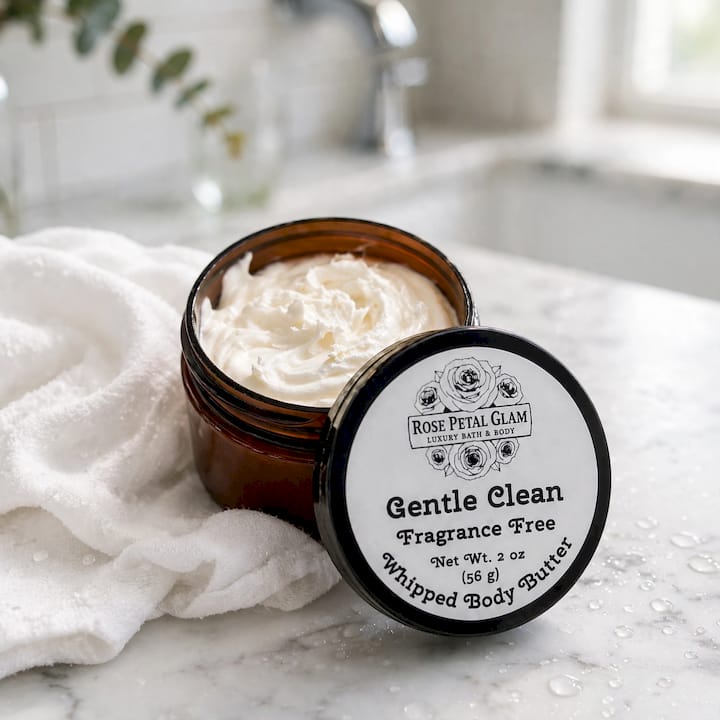
Start with sourcing. Grass-fed tallow generally comes from cattle raised on pasture rather than grain-finished in a feedlot, and that dietary difference affects the fatty-acid ratio in the final fat. Look for a simple ingredient list, ideally five ingredients or fewer for a basic balm, since a shorter list means fewer chances for an unlisted allergen or synthetic filler to sneak in.
Your buying checklist:
- Grass-fed sourcing stated clearly, not just implied
- A short, legible ingredient list with no vague terms like “fragrance blend” hiding synthetic additives
- A fragrance-free option available if you have sensitive or reactive skin
- Clear processing information: is it cold-pressed, rendered, unrefined, or refined?
- Antioxidant preservatives like vitamin E (tocopherol) listed, which slow rancidity naturally
Red flags that should make you put the product back:
- The word “hydrogenated” anywhere on the label, since that signals heavy chemical processing
- A heavy synthetic fragrance masking the product’s natural scent
- No ingredient list at all, or a list that just says “tallow blend” with nothing specified
- No storage guidance or shelf-life estimate printed anywhere on the packaging
Microbial safety deserves a mention too. Tallow-based products, especially whipped balms with added water-based ingredients, can support bacterial or mold growth if not preserved and stored correctly. A product that smells sour, shows discoloration, or separates unexpectedly has likely gone rancid, and rancid fat should never go on your skin regardless of how mild the smell seems.
DIY Tallow Balm vs. Ready-Made: Which Should You Choose?
Rendering your own tallow at home gives you full control over sourcing and costs less per ounce, but it also puts the entire burden of hygiene, temperature control, and shelf stability on you.
DIY advantages: lower cost per batch, full control over the source fat, and the satisfaction of knowing exactly what went into your jar.
DIY risks: improper rendering temperature can leave moisture in the fat, which speeds rancidity; non-sterilized containers introduce bacteria; and without lab testing, you have no way to verify shelf stability the way a commercial producer can.
Ready-made advantages: consistent sourcing batch to batch, tested preservative systems that actually extend shelf life, and label transparency you can hold a company accountable for.
A simple whipped tallow balm recipe, if you want to try it yourself:
- Melt 1 cup of rendered grass-fed tallow gently over low heat.
- Whisk in 2 tablespoons of jojoba oil once melted, off heat.
- Add a few drops of vitamin E oil as a natural antioxidant.
- Chill the mixture until it firms slightly at the edges, about 20 minutes.
- Whip with a hand mixer for 5 to 8 minutes until light and fluffy.
- Transfer to a sterilized glass jar and store in a cool, dark place.
DIY safety precautions:
- Render fat slowly at low heat; scorched fat smells bad and degrades faster
- Sterilize every container with boiling water or high heat before filling
- Store finished balm away from heat and direct sunlight to slow rancidity
- Label your jar with the date made, and use within a few months for best quality
How Rose Petal Glam Sources and Makes Its Tallow Products
Rose Petal Glam builds every tallow product from grass-fed beef tallow, formulated in small batches out of Mount Morris, Michigan, rather than mass-produced on an industrial line. That distinction shows up in the ingredient lists, which stay short and legible instead of burying additives behind vague terms.
What that looks like in practice:
- Grass-fed tallow sourced specifically for skincare use, not diverted from culinary supply
- Cold process methods used for soap bars, which preserves more of the natural glycerin and fatty-acid structure than hot-processed alternatives
- Fragrance-free options available across the tallow skincare collection for anyone with reactive or sensitive skin
- Small production runs that allow closer attention to consistency than a large commercial batch permits
A quick note on storage and allergens: tallow-based products should be stored in a cool, dry area away from direct heat, and most stay stable for several months when kept that way. Because tallow is animal-derived, anyone avoiding animal products for allergy or dietary reasons should check the label before purchasing, and anyone with a known beef or lanolin sensitivity should patch test with extra caution.
Why does grass-fed sourcing matter for tallow skincare?
Grass-fed tallow tends to carry a cleaner fatty-acid balance than grain-finished alternatives, which is part of why Rose Petal Glam sources it specifically rather than using whatever tallow is cheapest to acquire.
Why We Use Grass-Fed Tallow, in Brent’s Words
Rose Petal Glam started using grass-fed tallow because the fat itself is more consistent than what comes off a grain-finished feedlot animal. It’s not a trend decision. It’s a sourcing decision that shows up in texture, scent, and how the fat behaves once it’s rendered down for soap and balm. Small-batch production means we can actually track that consistency batch to batch, instead of blending together whatever comes in from a dozen different suppliers.
Pro Tip: If this is your first time trying a tallow product, start with the smallest fragrance-free size you can find. It costs less to test, and if your skin does react, you’re not out a full-size jar you can’t use.
Where to Find Safe, Vetted Tallow Products to Try
If everything above has you ready to test tallow for yourself, you don’t need to render your own fat on a stovetop to do it safely. Rose Petal Glam’s fragrance-free line exists specifically for readers in your position: people who want to try a grass-fed tallow product without guessing at sourcing, processing, or what’s actually in the jar.
Three starting points make sense depending on what you’re testing for. The Gentle Clean Fragrance-Free Tallow Soap is the lowest-commitment option for a first patch test, since it’s a single-use-friendly bar with no added scent to complicate a reaction. The Whipped Body Butter line works well once you’ve cleared the patch test and want a richer, body-only moisturizer for elbows, knees, and heels. And the full Tallow Skincare Collection gives you the complete range if you want to compare formulations side by side before settling on one.
Whatever you pick, run the 48-hour patch test on your forearm first, and keep facial application off the table until your body skin has had a few weeks to tell you how it reacts. Browse the tallow collection and start with the smallest size available.
Sources
FAQ
Is Tallow Really Good for Your Skin?
For very dry or thickened skin, tallow can work as an effective occlusive moisturizer, but clinical evidence for broader skin benefits is still limited, so results vary by skin type.
Why Don’t Dermatologists Like Beef Tallow?
Dermatologists aren’t universally against it, but many caution that its occlusive nature can clog pores and worsen acne, rosacea, or seborrheic dermatitis, especially on the face.
What Are the Disadvantages of Tallow for Skin?
The main disadvantages are pore-clogging potential for oily or acne-prone skin, limited clinical research on long-term effects, and inconsistent quality between unregulated small-batch products.
Is Beef Tallow Good for Skincare in General?
It’s a reasonable option specifically for dry, barrier-depleted skin when sourced from grass-fed cattle and kept fragrance-free, but it isn’t a universal fit, and Rose Petal Glam’s fragrance-free line is built with that limitation in mind.
How Do I Know If Tallow Is Safe for My Skin Type?
Run a 48-hour patch test on your forearm first, and if you have acne, rosacea, or seborrheic dermatitis, talk to a dermatologist before applying it to your face.