Shaving With Bar Soap: When It Works and When to Stop
Published 2026-08-11 by Rose Petal Glam
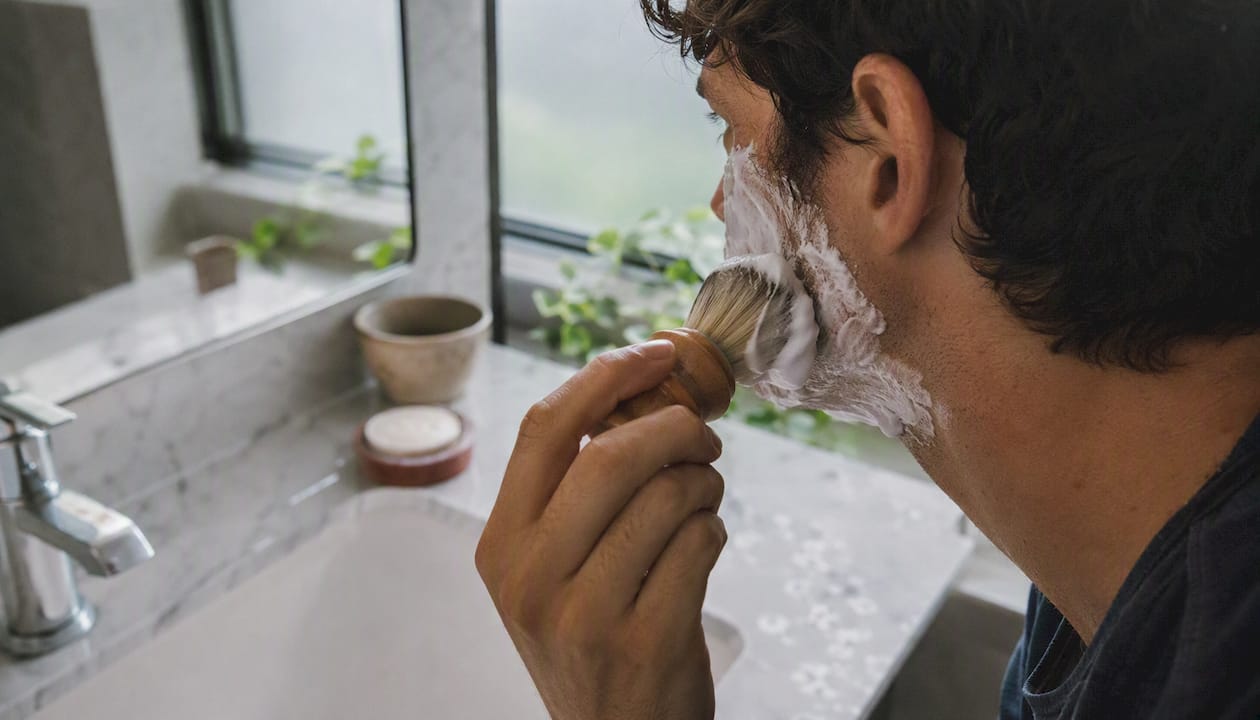
You can shave with bar soap in a pinch. It is not a great idea for regular use, but if you are traveling, your shaving cream ran out, or you are just trying to get through a quick shave without a special product, a bar of soap can get the job done once or twice. The key word is once or twice. Routine bar-soap shaving tends to cause razor burn, dryness, and more nicks than dedicated shaving products, especially if the bar you reach for is a standard alkaline body soap.
For the best result when you have no other option, reach for a high-glycerin bar, a syndet (non-soap) cleansing bar, or a tallow-based cold-process soap like Rosepetalglam’s Gentle Clean Fragrance-Free Tallow Soap. These options are gentler on the skin barrier than a typical drugstore body bar. Avoid antibacterial soaps and anything with a strong detergent base.
Quick reference before you start:
- A high-glycerin or tallow-based bar is the safest bar-soap choice for shaving.
- Standard alkaline body soaps (pH around 9–10) can strip your skin’s acid mantle and increase razor burn risk.
- Conditioner or a light oil is a better emergency substitute than most bar soaps.
- If you have sensitive skin, rosacea, or severe acne, skip the bar soap and use conditioner or an electric shaver instead.
Key Takeaways
Shaving with bar soap works in a genuine emergency, but the bar type, technique, and aftercare determine whether you come out of it with smooth skin or a red, irritated mess.
| Point | Details |
|---|---|
| Emergency use only | Bar soap is acceptable for one or two shaves in a pinch; routine use causes dryness, razor burn, and skin barrier disruption. |
| Pick the right bar | High-glycerin, syndet, or tallow-based bars perform significantly better than standard alkaline body soaps for shaving. |
| Technique is critical | Shave with the grain only, use short strokes, zero pressure, and rinse the blade every two strokes to compensate for thin lather. |
| Conditioner beats bar soap | Hair conditioner provides better slip and less skin disruption than most bar soaps and is the better emergency substitute when available. |
| Rosepetalglam Gentle Clean | A grass-fed tallow, fragrance-free bar that produces a creamier lather than standard body bars, making it the publisher-recommended option for an emergency bar-soap shave. |
Table of Contents
- How does shaving with bar soap actually differ from shaving cream?
- How to shave with bar soap safely (step by step)
- Which bar soaps work best for shaving?
- What are the real risks of shaving with bar soap?
- What works better than bar soap in an emergency?
- Post-shave care after using bar soap
- What we observed testing bar soap for shaving
- An honest take on whether bar-soap shaving is worth it
- Rosepetalglam’s Gentle Clean bar is worth keeping in your kit
- Sources
- FAQ
How does shaving with bar soap actually differ from shaving cream?
The short answer: shaving soaps and creams are engineered for a completely different job than body bars. Understanding the gap helps you pick the right bar when you have no other choice.
Shaving soaps use a high-fat base, typically tallow or plant butters, combined with humectants like glycerin to build a dense, stable lather. That lather does two things a body soap cannot: it cushions the blade and keeps the skin slick for the full length of a stroke. Body soaps are built to remove oil and dirt. Their surfactants are designed to strip, not to protect.
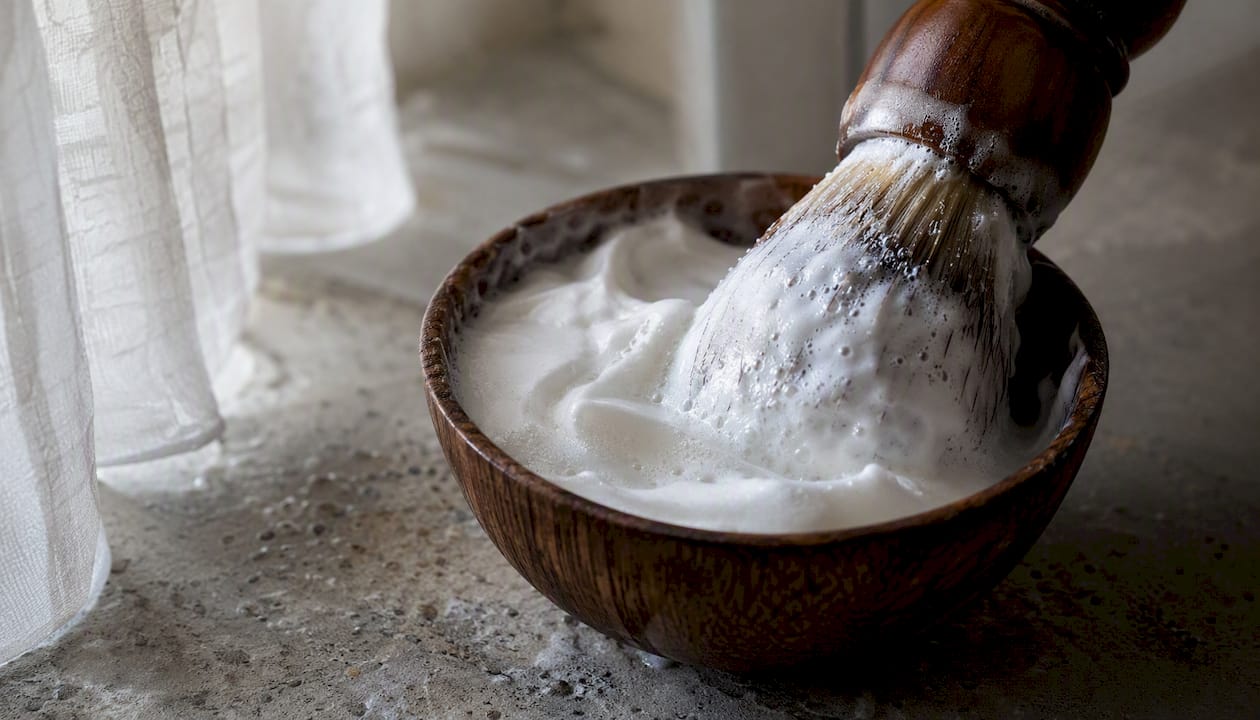
The lather structure is where the difference shows up most clearly. Shaving soap lather is thick, almost creamy, and clings to stubble. Bar soap lather is thin, foamy, and collapses fast. By the time you finish a stroke, the slip is already gone. That is when the blade starts dragging.
Why bar soap underperforms for shaving:
- High alkalinity. Traditional bar soaps sit around pH 9–10, well above the skin’s natural acid mantle (pH 4.5–5.5). That gap disrupts the stratum corneum and makes the skin more reactive to blade friction.
- Thin, unstable foam. Surfactant-driven lather collapses quickly, leaving the razor with little cushion mid-stroke.
- Oil stripping. The same surfactants that clean your skin also remove the natural oils that help a blade glide.
- Soap residue on blades. Bar soap can leave a film on the blade edge that shortens blade life and increases drag when used repeatedly.
Pro Tip: Scan the ingredient label before you lather up. Look for “glycerin” near the top of the list, the word “syndet,” or claims like “pH-balanced.” Those signals mean the bar is less likely to strip your skin. Avoid anything with sodium lauryl sulfate (SLS) listed early, or “antibacterial” on the front label.
How to shave with bar soap safely (step by step)
When you have no better option, technique matters more than usual. Shorter strokes, minimal pressure, and shaving with the grain first reduce nicks when slip is poor. Follow this sequence.
- Soften the hair first. Shower before you shave, or hold a warm, wet towel against the area for 60–90 seconds. Soft hair cuts more cleanly and puts less stress on a low-slip lather.
- Build a thicker lather than you think you need. Wet the bar, rub it between your palms until you get a dense foam, then apply it directly to the skin. If you have a shaving brush, use it — a brush loads more soap onto the hair and creates a slightly more stable foam than hands alone.
- Apply generously and work it in. Press the lather into the stubble rather than just spreading it on top. This lifts the hair slightly and gives the blade a better angle.
- Shave with the grain on the first pass. No against-the-grain passes with bar soap. The lather is not stable enough to protect you on a second aggressive pass.
- Use short strokes and zero pressure. Let the blade do the work. Long strokes with bar soap are where you pick up nicks.
- Rinse the blade every two strokes. Soap residue builds up fast on the blade and changes how it feels. A quick rinse under running water keeps the edge cleaner.
- Reapply lather before it dries. Bar soap lather dries faster than shaving cream. If you feel the skin getting tacky, add a splash of water to the lather already on your face rather than rubbing more soap on dry skin.
- Stop if you feel chatter or stinging. Blade chatter (a vibrating, skipping sensation) and immediate stinging are signs the lather has failed. Rinse off, add more lather, and slow down — or stop and switch to a different method.
Pro Tip: Keep a small cup of warm water nearby. Dipping your fingers in water and working it into the lather on your face extends its life by 30–60 seconds per application. That extra time is the difference between a clean stroke and a dry drag.
Who should skip bar-soap shaving entirely: Anyone with active rosacea, severe acne, eczema, or highly reactive skin should not attempt a bar-soap shave. The elevated pH and thin lather create conditions that can worsen flare-ups. Use an electric shaver or hair conditioner instead.
Which bar soaps work best for shaving?
Not all bar soaps are equally bad for shaving. Formulation matters significantly. A tallow-based or high-glycerin bar with added butters performs closest to a shave soap; body soaps heavy in detergents do not.
Reach for these types:
- High-glycerin bars. Glycerin is a humectant that draws moisture to the skin. Bars with glycerin listed near the top of the ingredient list stay wetter longer and are less stripping.
- Syndet (synthetic detergent) bars. These are not true soaps. They are formulated at a lower, skin-friendlier pH and tend to be gentler on the acid mantle. Look for “syndet” on the label or a pH-balanced claim.
- Tallow-based cold-process bars. Tallow is high in stearic acid and oleic acid, both of which contribute to a creamier, more protective lather. Rosepetalglam’s handcrafted tallow soaps are made with grass-fed beef tallow and added humectants, which puts them closer to a shaving soap’s profile than a standard commercial bar. They are not a replacement for a dedicated shaving soap, but they are a meaningfully better option than most drugstore bars.
Avoid these:
- Antibacterial soaps with triclosan or strong quaternary compounds — they are harsh and drying.
- Soaps with SLS listed as the primary surfactant.
- Laundry-style or heavily alkaline bars.
- Bars with aggressive synthetic fragrances, which can cause contact irritation when the skin barrier is already compromised by shaving.
Ingredient label checklist:
- ✓ Glycerin (high on the list)
- ✓ Stearic acid, castor oil, or coconut oil in the base
- ✓ “Syndet,” “pH-balanced,” or “soap-free”
- ✓ Added oils or butters (shea, jojoba, tallow)
- ✗ Sodium lauryl sulfate as a primary ingredient
- ✗ “Antibacterial” or “deodorant” on the label
Pro Tip: Glycerin bars sold in the soap aisle (often translucent amber or clear) are frequently a better emergency shaving bar than opaque body soaps. The translucency is a visual cue that glycerin content is high.
What are the real risks of shaving with bar soap?
The risks are real but manageable if you know what you are dealing with. Hands-on tests confirm that bar-soap lather feels sticky, dries quickly, and makes the skin more vulnerable than shaving cream. Here is what that translates to in practice.
Common risks:
- Razor burn. Thin lather means the blade contacts skin more directly. Combined with the elevated pH stripping the acid mantle, razor burn is the most common outcome.
- Nicks and micro-cuts. Without stable cushion, the blade can catch on dry patches mid-stroke.
- Post-shave dryness. Surfactants strip natural oils. You will feel it within an hour of shaving.
- Ingrown hairs. Dryness and irritation can cause hair to curl back into the follicle, especially on coarse or curly hair.
- Blade dulling. Soap residue builds a film on the blade that changes blade feel and may shorten its life.
How to reduce each risk:
- Use a fresh blade. A dull blade drags more on thin lather.
- Keep the lather wet throughout the shave (add water, not more soap, when it starts to dry).
- Apply a pre-shave oil or conditioner before the soap if you have either available.
- Shave only with the grain on the first pass. Skip the second pass entirely if the skin feels irritated.
- Rinse the blade every two strokes to prevent residue buildup.
- Follow up immediately with a fragrance-free moisturizer or a tallow-based balm.
If you have skin texture concerns or persistent irritation after shaving, that is a signal to see a clinician rather than adjust your technique further.
What works better than bar soap in an emergency?
If you have anything else in the bathroom, use it instead. Conditioner, coconut oil, olive oil, and glycerin products all outperform a standard bath bar for shaving lubrication.
Emergency substitutes, ranked by performance:
- Hair conditioner. The best non-shaving-product option. It provides genuine slip, stays wet, and rinses cleanly. Apply a thin layer, shave through it, and rinse. Works especially well on legs.
- Coconut oil or olive oil. Excellent lubrication, better than any bar soap. The downside is that oils can clog the drain and make the razor harder to rinse. Use sparingly and rinse the blade frequently.
- Baby oil or mineral oil. Similar to coconut oil but lighter. Good slip, easy to rinse.
- A glycerin or syndet bar. Better than a standard body bar for the reasons above. Still not great, but a clear step up.
- Canned shaving foam. If you find a can in a cabinet, even an old one, it is almost certainly better than bar soap. Canned foam is formulated for shaving; bar soap is not.
- Electric shaver. No lubrication needed. If you have one available, this is the safest fallback when you have nothing else.
Longer-term alternatives to consider:
Shaving with bar soap should be a one-time fix, not a routine. If you find yourself reaching for a bar soap regularly, it is worth picking up a dedicated shaving soap or cream. Tallow-based shaving soaps, in particular, produce stable cushion and slickness that bar soaps cannot match. Alternatively, Rosepetalglam’s tallow bars, while not dedicated shaving soaps, are formulated to be gentler than commercial bars and can serve as a better everyday bar that doubles for the occasional emergency shave.
Post-shave care after using bar soap
Aftercare matters more after a bar-soap shave than after a normal one. The skin barrier has taken more stress, and what you do in the next few minutes determines how the next few hours feel.
Immediately after shaving:
- Rinse with cool water, not hot. Cool water helps close the pores and calm surface irritation.
- Pat dry with a clean towel. Do not rub. Rubbing on freshly shaved, slightly compromised skin adds friction you do not need.
- Apply a fragrance-free moisturizer or a tallow-based balm within two minutes of drying. The window when skin absorbs moisture most effectively is right after washing. Jojoba oil, tallow-based balms, and humectant-containing lotions all work well here. Rosepetalglam’s tallow skincare collection includes options designed for sensitive skin that work well as post-shave care.
- Skip alcohol-heavy aftershaves. They sting, they dry, and they add nothing useful after a bar-soap shave that already stressed the skin.
Do/don’t checklist:
- ✓ Cool rinse, gentle pat dry
- ✓ Fragrance-free moisturizer or oil-based balm within two minutes
- ✓ Jojoba oil or tallow balm for dry or sensitive skin
- ✓ Clean, dry towel to prevent bacterial transfer
- ✗ Alcohol-based aftershave or toner
- ✗ Rubbing or scrubbing the skin dry
- ✗ Applying heavy fragrance products to freshly shaved skin
- ✗ Skipping moisturizer and hoping for the best
For natural ingredient options that work well on sensitive post-shave skin, glycerin, jojoba, and tallow are the three worth knowing.
What we observed testing bar soap for shaving
Testing was done using hand-applied lather (no brush) on the face and legs, with a standard cartridge razor and a double-edge safety razor across multiple sessions. Three bar types were compared: a standard drugstore body bar, a glycerin-heavy translucent bar, and Rosepetalglam’s Gentle Clean tallow soap.
- Standard body bar. Lather collapsed within 20–30 seconds of application. The razor dragged noticeably on longer strokes. Post-shave skin felt tight and slightly rough within 15 minutes. Two small nicks on the jaw.
- Glycerin translucent bar. Lather lasted longer and felt less sticky. Razor glide was still noticeably worse than shaving cream but significantly better than the body bar. No nicks. Mild dryness post-shave, resolved with moisturizer.
- Rosepetalglam Gentle Clean tallow soap. The tallow base produced a creamier, denser lather than either of the other bars. It did not match a dedicated shaving soap for cushion, but it held up through a full with-the-grain pass without collapsing. Skin felt less stripped afterward than with either of the other bars.
The closeness of the shave was comparable across all three bars on easy areas (legs, cheeks). The difference showed up on trickier areas (jaw, neck, under the nose) where lather stability matters most. Dedicated shaving cream was noticeably more comfortable on those areas in every session.
The Gentleman’s Gazette’s hands-on testing reached a similar conclusion: bar soap can achieve reasonable closeness on easy areas but tends to cause more pain and aftershave discomfort than dedicated shaving creams, particularly on sensitive zones.
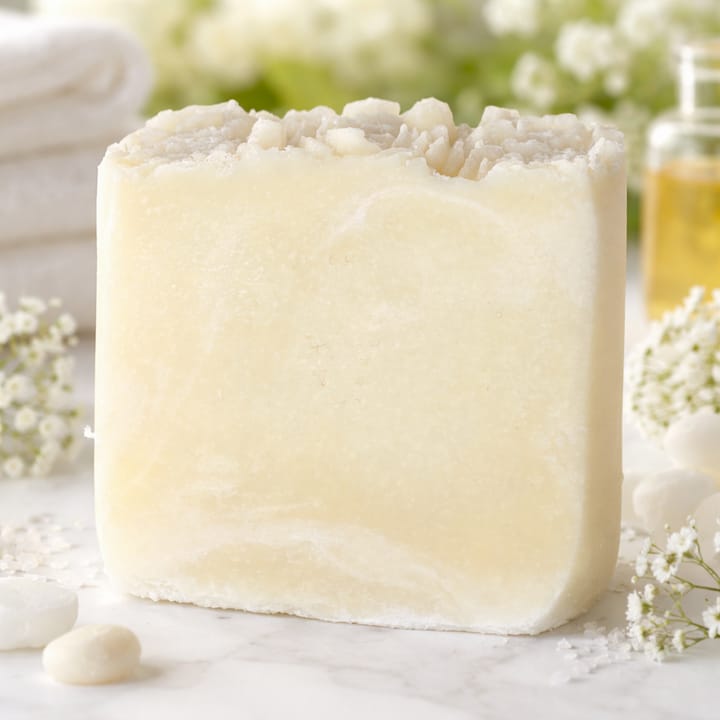
Rosepetalglam’s Gentle Clean bar is made with grass-fed tallow, jojoba oil, and kaolin clay in small batches in Mount Morris, Michigan. The tallow base is what sets it apart from most commercial bars for this use case. Tallow’s fatty acid profile is close to human sebum, which may explain why skin feels less stripped after using it compared to surfactant-heavy alternatives.
An honest take on whether bar-soap shaving is worth it
The conventional wisdom says “just use what you have.” That is fine for one shave. The part that gets left out is that most people who reach for a bar soap are reaching for the wrong kind of bar soap.
A standard body bar is not a neutral substitute. It is actively working against you: stripping oils, disrupting pH, and collapsing before the razor finishes its stroke. The gap between a standard body bar and a glycerin or tallow bar is large enough that it changes the outcome of the shave. If you are going to shave with a bar, at least pick the right one.
The other thing worth saying plainly: conditioner is better than almost any bar soap for an emergency shave. It is in most bathrooms, it provides real slip, and it does not disrupt the skin barrier. If you have conditioner and a bar of soap and nothing else, use the conditioner. The bar soap is the last resort, not the first.
Rosepetalglam’s tallow bars are the closest thing to a dual-purpose bar that actually works for this. They are not shaving soaps, and they should not be marketed as one. But their ingredient profile puts them in a different category than the typical commercial bar, and that difference is real when you are trying to get through a shave without irritating your skin.
Rosepetalglam’s Gentle Clean bar is worth keeping in your kit
If you want a wash bar that can pull double duty in an emergency shave, Rosepetalglam’s Gentle Clean Fragrance-Free Tallow Soap is the one to keep on hand. It is made with grass-fed tallow, jojoba oil, and kaolin clay, all cold-processed in small batches. The tallow base produces a creamier lather than a standard body bar, and the fragrance-free formula means no added irritants on freshly shaved skin.

It is not a replacement for a dedicated shaving soap, and Rosepetalglam does not position it as one. What it is: a genuinely gentle bar that leaves skin less stripped than most commercial alternatives, which matters when you are using it for something as abrasive as shaving. Lather it with warm water between your palms, apply generously, and shave with the grain only. It works best for people with normal to sensitive skin who want one bar that handles both washing and the occasional emergency shave without wrecking their skin barrier. Browse the full handcrafted soap collection to find the right bar for your skin type.
Sources
- Nowjournal
- Is Soap Good for Shaving? What to Know Before You Lather – Barrister and Mann LLC
- Can You Shave Your Face With Bar Soap? | Gentleman’s Gazette
- Shaving cream alternatives – Healthline
- Shaving Soap Guide: How to Choose, Lather & Get Your Best Shave | WhollyKaw
FAQ
Is it okay to shave with bar soap?
Yes, occasionally. Bar soap can work for one or two emergency shaves, but its high pH and thin lather make it more likely to cause razor burn and dryness than a dedicated shaving product. Avoid making it a regular habit.
Which bar soap is best for shaving?
High-glycerin bars, syndet (pH-balanced) bars, and tallow-based cold-process soaps perform best. Rosepetalglam’s Gentle Clean Fragrance-Free Tallow Soap is a publisher-recommended option that produces a creamier lather than most standard body bars.
Is it better to shave with soap or dry?
Always use some form of lubrication. Dry shaving causes significantly more friction, nicks, and irritation than even a suboptimal bar soap. If you have nothing else, bar soap is better than nothing; conditioner or oil is better still.
Can I use Dove bar soap as shaving cream?
Dove’s moisturizing bar is one of the better commercial options because it contains added cream and a milder surfactant profile than standard body soaps. It will still produce thinner, less stable lather than a shaving cream, but it is a reasonable emergency choice compared to harsher bars.