Body Butter vs. Lotion: Which One Does Your Skin Need?
Published 2026-08-09 by Rose Petal Glam
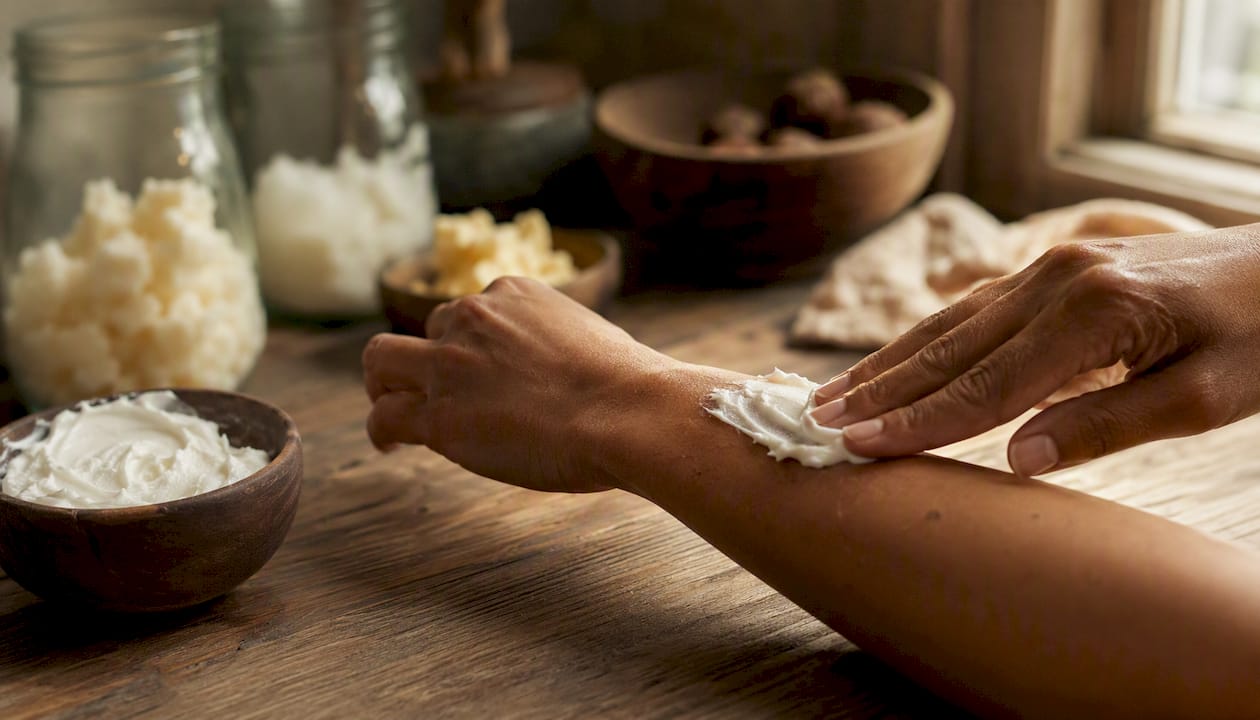
Use lotion for everyday lightweight hydration; reach for body butter when your skin needs intensive, long-lasting moisture. That single rule covers most situations. Here is how to apply it:
- Daytime/everyday use: Grab a lotion. It absorbs fast, layers under clothing without residue, and works for normal-to-oily skin year-round.
- Intensive care, overnight, or cold/dry climates: Use body butter. It seals in moisture for hours and is the right call for very dry skin, rough patches, or winter.
Quick rule: if you are unsure, lotion for all-over daily hydration, butter for rough spots, nights, or winter.
Key Takeaways
Body butter seals moisture in with an occlusive layer; lotion delivers fast surface hydration — and knowing which mechanism your skin needs determines which product to reach for.
| Point | Details |
|---|---|
| Lotion for daily use | Lightweight oil-in-water formula absorbs fast; best for normal, oily, or combination skin year-round. |
| Butter for repair and sealing | Concentrated fats create an occlusive barrier; use on very dry areas, at night, or in cold/dry seasons. |
| Layering order matters | Apply lotion first, wait 60–90 seconds, then apply butter to targeted dry patches as a sealant. |
| Watch comedogenic risk | Avoid heavy butters on acne-prone zones (chest, back); jojoba and tallow are lower-risk occlusive options. |
| Rosepetalglam for barrier repair | Grass-fed tallow and jojoba whipped butters from Rosepetalglam suit very dry, sensitive, or repair-focused skin. |
Table of Contents
- How body butter vs. lotion actually differ in composition
- Benefits and drawbacks: what you actually gain and give up
- Which product fits your skin type, body area, and season?
- How to apply and layer both products for the best results
- Ingredients to look for and which ones to skip
- Why Rosepetalglam’s whipped tallow body butter fits the use cases above
- What the conventional advice on body butter gets wrong
- Rosepetalglam whipped body butters for real skin needs
- Sources
- FAQ
How body butter vs. lotion actually differ in composition
The core difference comes down to water. Lotions are oil-in-water emulsions, meaning water is the dominant ingredient, which is why they feel light and absorb quickly. Body butters are concentrated fats and oils with little to no water, which makes them thicker, richer, and far more occlusive.
To understand why that matters, you need three terms dermatologists use to classify moisturizer ingredients:
- Humectants draw water into the skin from the environment or deeper layers. Glycerin and hyaluronic acid are the most common examples. Lotions lean heavily on these.
- Emollients smooth and soften by filling gaps between skin cells. Jojoba oil, shea butter, and many plant oils fall here. Both lotions and butters use them.
- Occlusives sit on top of the skin and physically block water from escaping. Tallow, cocoa butter, and beeswax are classic occlusives. Body butters are primarily occlusive.
Dermatology research confirms that all three functional classes contribute to barrier repair and moisture retention, but they work differently. A lotion hydrates by delivering water and humectants to the surface. A butter seals that moisture in by forming a protective layer. Neither is universally superior; they solve different parts of the same problem.
Formulation ratios drive the skin feel you notice immediately. Butters skew oil-forward, which is why they take longer to absorb and can leave a slight sheen. Lotions balance water and humectants, which is why they disappear into skin within a minute.
Benefits and drawbacks: what you actually gain and give up
| Feature | Lotion | Body Butter |
|---|---|---|
| Water content | High (oil-in-water base) | Low to none |
| Texture | Lightweight, fluid | Thick, creamy to solid |
| Absorption speed | Fast (minutes) | Slower (several minutes) |
| Hydration depth | Surface and mid-layer | Occlusive, long-lasting seal |
| Best skin type | Normal, oily, combination | Dry, very dry, sensitive |
| Comedogenic risk | Lower | Higher for acne-prone areas |
| Seasonal fit | Year-round, especially humid | Cold/dry seasons, winter |
| Cost per application | Lower unit price, more product needed | Higher unit price, less needed per use |
| Fragrance/residue | Varies; many scented options | Can be heavy; fragrance-free options available |
Lotions win on convenience and speed. They work for most people on most days without any planning. The trade-off is that they do not provide the same staying power on very dry or compromised skin.
Body butters deliver deeper, longer-lasting occlusion, which is exactly what cracked heels or eczema-prone skin needs. The drawbacks are real though: they can feel greasy if over-applied, and heavier oil-rich formulas can increase pore-clogging risk in acne-prone areas. Research on plant butters like shea shows generally good tolerability for sensitive skin, but patch-testing before all-over use is still worth doing.
On price, a jar of body butter often costs more upfront than a bottle of lotion, but you use far less per application. For targeted use on dry patches, a small jar can last months.
Which product fits your skin type, body area, and season?
By skin type:
- Oily or combination skin: Stick with a lightweight lotion, ideally one with glycerin or hyaluronic acid and no heavy oils. Body butter is too occlusive for oily zones.
- Normal skin: Either works. Lotion for daily use; butter for dry-season maintenance or rough spots.
- Dry skin: Lotion can maintain hydration on easier days, but a body butter used at night will make a visible difference within a week.
- Very dry or compromised skin: Body butter is the better choice. Emollients and barrier-repair formulas are standard supportive care for conditions like eczema, and a richer occlusive formula helps during flare-ups.
- Acne-prone skin: Use lotion on the chest, back, and shoulders. Avoid heavy butters on areas where you break out.
- Sensitive skin: Fragrance-free formulas of either type are safer. A fragrance-free body butter with simple ingredients (tallow, jojoba, shea) tends to be well tolerated.
By body area:
- Face-adjacent areas and skin with body hair: lotion only. Heavy butters can clog follicles.
- Elbows, knees, heels, and hands: body butter is the right tool. These areas have fewer sebaceous glands and need the extra occlusion.
- General body: lotion for daily coverage; butter for targeted repair.
By season:
- Humid summers: lotion is enough for most people.
- Cold, dry winters: body butter used at night or on exposed areas prevents the tight, flaky feeling that lotion alone cannot fix.
How to apply and layer both products for the best results
The timing of application matters as much as the product itself. Moisturizers absorb best when skin is still slightly damp, within a few minutes of showering.
- Shower or bathe. Pat skin dry, leaving a little moisture on the surface.
- Apply lotion first if you are using both products. Its water and humectant content needs to reach the skin directly.
- Wait 60–90 seconds for the lotion to absorb before adding anything else.
- Apply body butter to targeted areas (heels, elbows, knees, or anywhere that feels tight). A pea-sized amount goes further than you expect.
- Wait 3–5 minutes before dressing. This prevents the butter from transferring to fabric and gives it time to start forming its occlusive layer.
- For overnight use, apply butter to dry patches right before bed. Wearing cotton socks after applying to heels speeds up the repair process noticeably.
For frequency: lotion can be used once or twice daily without issue. Research supports re-application one to three times daily for persistent dryness. Body butter on targeted areas once daily at night is usually enough; daily all-over use is only necessary for very dry or eczema-prone skin.
Pro Tip: When switching to a new rich body butter for the first time, apply it only to one small area for two or three nights before using it all over. This lets you catch any sensitivity or pore-clogging reaction before it becomes a problem.
Ingredients to look for and which ones to skip
Beneficial ingredients
| Ingredient | Type | What it does |
|---|---|---|
| Glycerin | Humectant | Draws water into the skin; found in most lotions |
| Hyaluronic acid | Humectant | Holds moisture at the surface; common in lighter formulas |
| Ceramides | Emollient/barrier | Rebuilds the lipid barrier; good for dry and sensitive skin |
| Jojoba oil | Emollient | Mimics skin’s natural sebum; non-comedogenic, absorbs well |
| Shea butter | Emollient/occlusive | Rich in fatty acids; well tolerated by most skin types |
| Grass-fed tallow | Occlusive/emollient | High in oleic and stearic acids; closely matches skin’s lipid profile |
| Cocoa butter | Occlusive | Dense moisture seal; best for very dry areas |
Ingredients to watch or avoid
- Heavy synthetic fragrances: Common irritant, especially for sensitive or eczema-prone skin. Opt for fragrance-free or naturally scented formulas.
- Denatured alcohol (SD alcohol, alcohol denat.): Dries the skin barrier over time. Avoid in any moisturizer.
- Comedogenic oils (coconut oil, wheat germ oil) on acne-prone areas: not universally problematic, but worth avoiding on the chest and back if you break out there.
- Mineral oil in heavy concentrations: Occlusive but provides no nutritional benefit to the skin barrier.
Label-reading tip: Ingredients are listed in descending order by concentration. If water is first and glycerin is second in a lotion, that is a well-balanced humectant formula. If a butter lists shea or tallow first, it is genuinely oil-forward, not just marketing.
Pro Tip: For sustainability-conscious shoppers, look for sourcing statements on product pages. Grass-fed tallow and responsibly sourced plant butters have different environmental footprints, and transparent brands will say where their ingredients come from.
Why Rosepetalglam’s whipped tallow body butter fits the use cases above
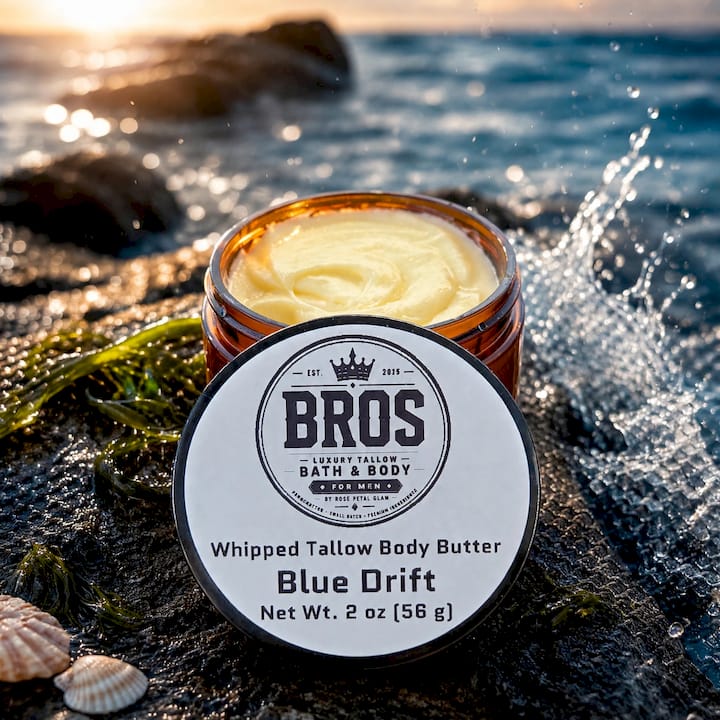
For very dry, sensitive, or repair-focused skin, a handcrafted tallow-and-jojoba body butter is one of the most ingredient-aligned choices you can make. Tallow’s fatty acid profile closely mirrors the skin’s own lipids, which helps it absorb without sitting heavily on the surface. Jojoba adds emollient smoothness without clogging pores.
Rosepetalglam’s whipped tallow body butters are made in small batches in Mount Morris, Michigan, using grass-fed beef tallow and jojoba oil as the base. The whipped texture makes the formula lighter than a traditional solid butter, which means it spreads more easily and absorbs faster than a dense balm.
- Grass-fed tallow: Occlusive and rich in oleic, palmitic, and stearic acids; supports barrier repair on very dry or compromised skin.
- Jojoba oil: Non-comedogenic emollient that balances the richness of tallow without adding greasiness.
- Fragrance-free option available: The Gentle Clean fragrance-free whipped butter is a practical choice for sensitive skin or anyone avoiding synthetic scents.
- Small-batch production: Ingredient transparency and no synthetic fillers, which matters when you are trying to simplify what goes on your skin.
A practical nightly routine: cleanse with a tallow-based soap, pat dry, and apply a small amount of whipped butter to elbows, heels, and any dry patches. Most people notice softer skin within a few days of consistent use.
What the conventional advice on body butter gets wrong
The standard recommendation you see everywhere is to use lotion daily and save body butter for “special occasions” or “extra dry days.” That framing undersells what a well-formulated butter actually does and overcomplicates the decision.
If your skin is genuinely dry, using a lightweight lotion every day and waiting for a “dry enough” threshold to justify butter is just delaying the repair. The occlusive layer a butter provides is not a luxury add-on; it is the mechanism that stops transepidermal water loss, which is the actual cause of persistent dryness. Lotion hydrates. Butter seals. Dry skin needs both, and the order matters.
The other piece of advice that gets oversimplified is the comedogenicity warning. Yes, heavy butters can clog pores in acne-prone zones. But jojoba and tallow are among the least comedogenic options in the occlusive category, and blanket warnings against all body butters for anyone with oily skin are too broad. The real rule is area-specific: avoid heavy butters on the chest, back, and shoulders if you break out there, and use them freely on elbows, heels, and legs.
Rosepetalglam whipped body butters for real skin needs
If this article confirmed that your skin needs more than a daily lotion, Rosepetalglam’s handcrafted whipped tallow body butters are built for exactly that. Made from grass-fed tallow and jojoba oil in small batches, they deliver the occlusive barrier repair that very dry, sensitive, or winter-stressed skin needs, without synthetic fillers or unnecessary additives.
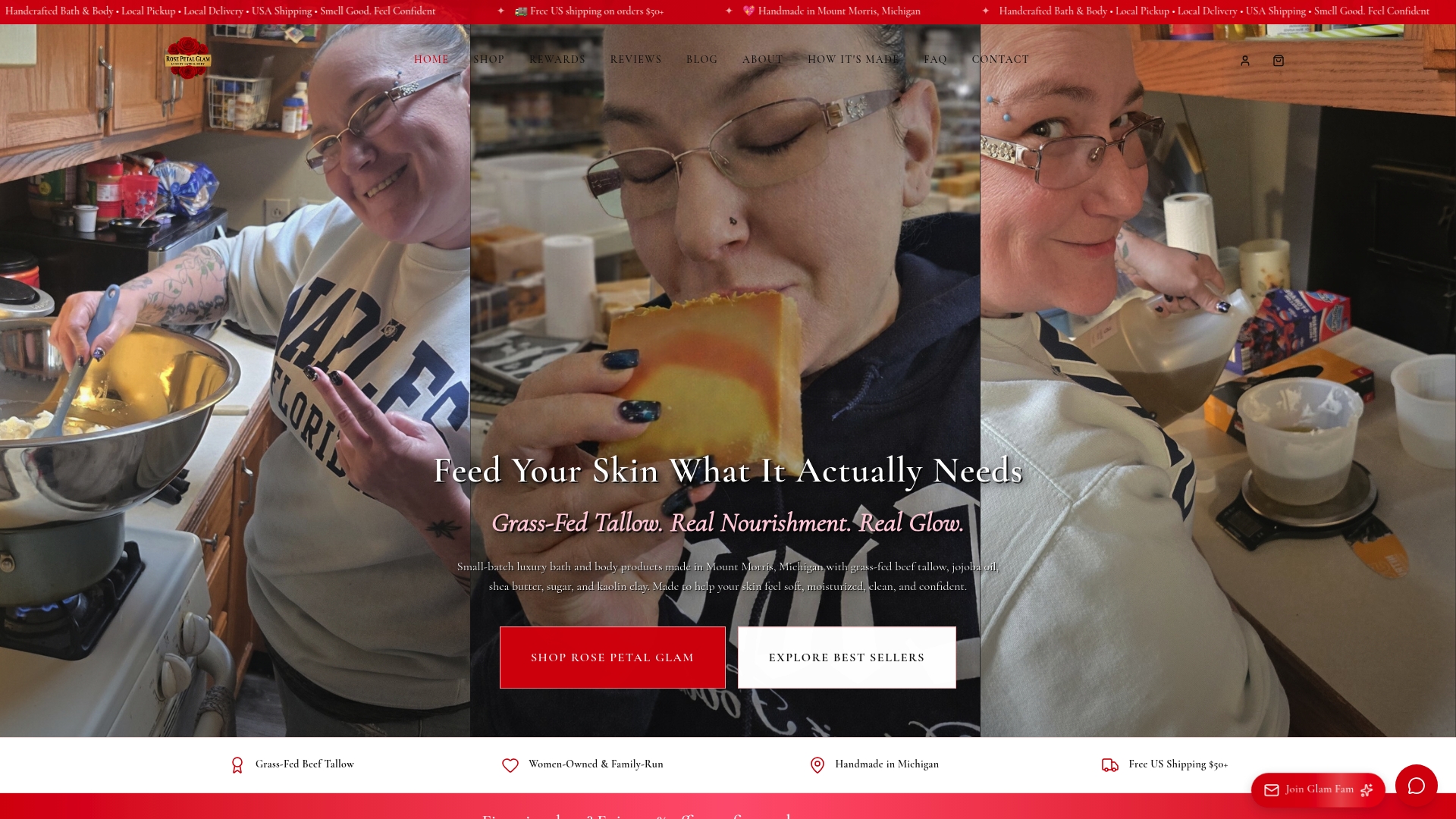
Scented and fragrance-free options are available, including a men’s line. Whether you are targeting cracked heels, dry elbows, or just want a nightly routine that actually works, there is a formula for your skin. Browse the full whipped body butter collection and find the right fit for your skin type and routine.
Sources
FAQ
Is body butter better for you than lotion?
Neither is universally better. Body butter is better for very dry, sensitive, or repair-focused skin because its occlusive formula seals in moisture longer. Lotion is better for everyday hydration on normal or oily skin because it absorbs quickly without residue.
Can I use body butter as a lotion substitute?
You can, but it works best as a targeted or overnight product rather than a full-body daily substitute. On very dry skin, a whipped body butter applied after showering can replace lotion entirely; on normal or oily skin, it is usually too heavy for all-over daily use.
Should I use body butter or lotion first?
Apply lotion first. Its humectants and water content need direct skin contact to work. Once absorbed (about 60–90 seconds), apply body butter to dry patches as a sealant on top.
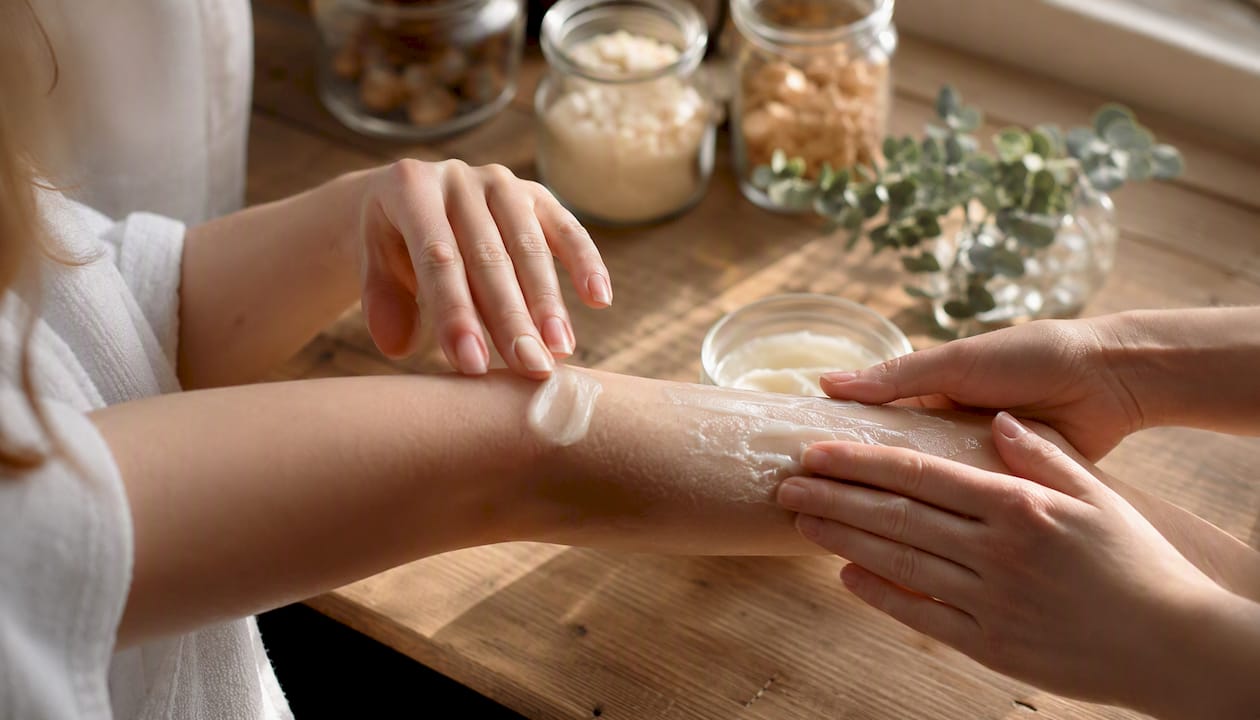
Should you use body butter every day?
For very dry or eczema-prone skin, daily use on affected areas is appropriate and supported by emollient guidance. For normal skin, using body butter a few times a week on rough patches is usually enough; daily all-over use is only necessary when skin is significantly compromised.